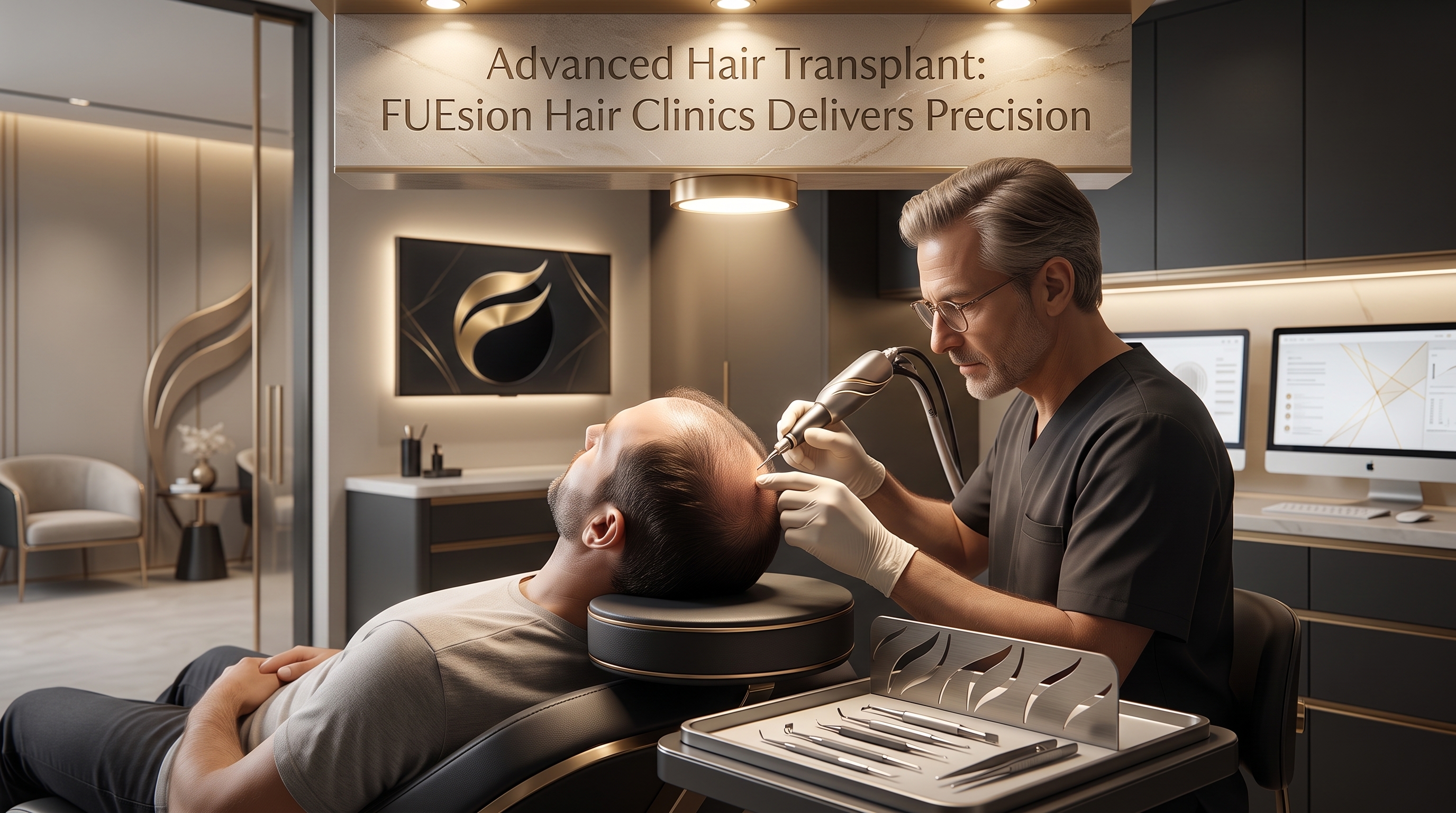
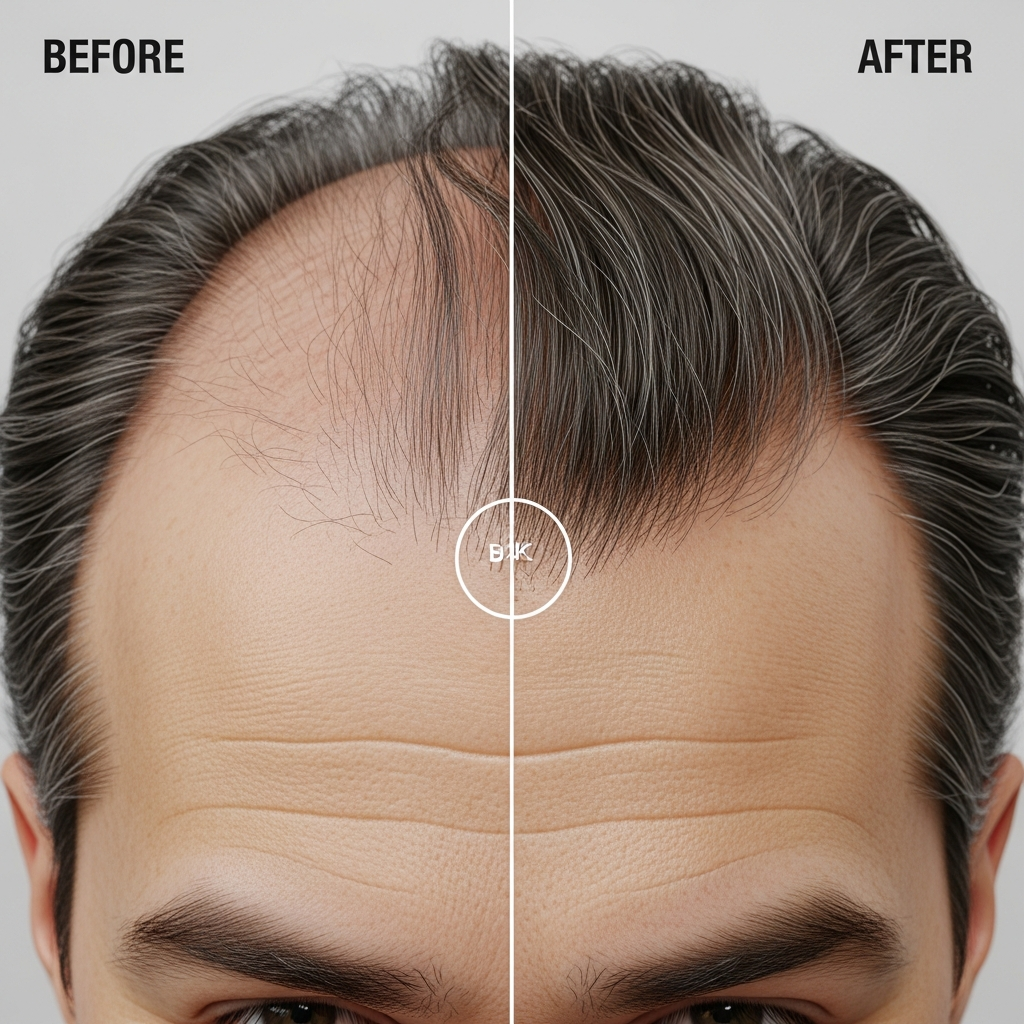
treatment hair loss men is a phrase that brings urgency and hope for millions of men facing thinning, recession, or bald spots. Hair loss affects confidence, professional presence, and how men feel in social settings, so understanding the practical options matters. In this guide you'll get a clear, evidence-based overview of modern approaches to treatment hair loss men, learn how to evaluate clinics and technologies, and find realistic expectations for costs and results.
Throughout this article we compare conservative approaches like topical and oral therapies with in-clinic options such as PRP and surgical hair restoration. You’ll learn how to choose between non-surgical and surgical routes, what diagnostic steps to insist on, and how to reduce the risk of poor outcomes. If you want a quick next step, our simulation tool can help you visualize outcomes: Try the simulator to see possibilities before booking a consultation.
We’ll also link to trusted resources on our site, including our main services page for a full menu of treatments and our testimonials for real patient stories. Whether you are starting to notice shedding at the temples or are considering a transplant, this guide frames options for effective treatment hair loss men so you can make informed decisions.
Understanding causes and diagnosis for male hair loss
Before selecting a path for treatment hair loss men, it is essential to understand the causes. Male pattern hair loss (androgenetic alopecia) is the most common driver and relates to genetic sensitivity to dihydrotestosterone (DHT). However, hair loss can also come from medical conditions such as thyroid dysfunction, autoimmune disorders, telogen effluvium from stress or illness, medication side effects, and nutritional deficiencies. A targeted diagnosis reduces wasted time and expense on ineffective therapies.
A good diagnostic process begins with a structured history and scalp examination, and often includes blood tests to rule out anemia, vitamin D deficiency, and hormonal imbalances. Trichoscopy or dermatoscopic analysis provides magnified views of hair miniaturization patterns and inflammation that guide treatment choice. For men considering surgical options, donor area evaluation and hair density mapping are standard steps to ensure predictable outcomes and avoid complications.
Insist on detailed baseline documentation: photographs, hair counts, and measurement of hair shaft diameter. Clinics that use objective metrics and transparent reporting are more likely to deliver consistent results. See our technology page for how modern diagnostics improve planning, and read our about page to learn about clinic standards and surgeon credentials.
"Accurate diagnosis is the foundation of effective treatment; treating the pattern without finding the cause is like painting over the problem."
Non-surgical medical therapies: what works and what to expect
For many men early in the process, non-surgical options offer meaningful improvements and can delay or eliminate the need for surgery. The two most evidence-backed medications are topical minoxidil and oral finasteride; these form the backbone of contemporary treatment hair loss men strategies. Minoxidil increases blood flow to follicles and can thicken existing hair over months of use. Finasteride reduces DHT levels systemically and addresses the hormonal driver of male pattern loss, slowing progression and in many cases enabling regrowth in thinning areas.
Both medications require adherence: discontinuation typically leads to reversal of benefits within months. Side effects are possible and should be discussed openly. Finasteride can cause sexual side effects in a small percentage of users, and minoxidil may cause local irritation or unwanted facial hair in rare cases. A careful conversation with a clinician, baseline documentation, and ongoing monitoring make these treatments safer and more effective.
Beyond these, adjunctive options include low-level laser therapy (LLLT), nutraceuticals, and medical shampoos. Platelet-rich plasma (PRP) injections are increasingly used as a clinic-based adjunct because they can stimulate follicular activity and improve graft survival when combined with surgery. PRP is not a magic bullet, but in selected patients it boosts the effectiveness of primary therapies. Learn more about how we combine approaches on our services page.
Realistic timelines and expectations
Expect to commit to at least 6–12 months to see meaningful results with medications, and often up to 18 months for full stabilization. Combining therapies often produces more predictable gains than single modalities alone. For men exploring less invasive pathways, a tailored program that pairs medication with clinic procedures like PRP or LLLT offers an evidence-informed route to improvement and long-term maintenance.
Ready to take the next step?
Book a Free ConsultationSurgical options: hair transplantation and what modern techniques deliver
When hair loss is significant or donor reserves are good, surgical hair restoration becomes a reliable option for definitive improvement. Modern hair transplant techniques—principally follicular unit extraction (FUE) and follicular unit transplantation (FUT)—offer natural-looking results when performed by experienced teams. For many men the decision to proceed is driven by the inability of medical therapy to deliver the density they seek, or by the desire for a one-time, long-term solution.
Choosing a surgical path requires an honest assessment of donor hair quality, realistic density expectations, and an experienced surgical plan. FUE is widely used for its minimal scarring and fast recovery, while FUT may be appropriate for patients needing larger graft numbers from robust donor strips. Surgical planning must account for future hair loss; a good surgeon will design the hairline and distribution to age gracefully and preserve donor hair for potential future sessions.
Post-operative care and graft management are critical to outcomes. Techniques such as platelet-rich plasma used intraoperatively, meticulous graft handling, and advanced implantation strategies improve survival rates and naturalness. View examples of surgical results and staged planning in our gallery to understand typical outcomes and timelines before committing.
"Surgical hair restoration, when planned holistically, can restore not only hair but confidence and quality of life. Success depends on realistic expectations and technical excellence."
How to choose the right clinic, costs, and realistic planning
Selecting the right clinic is as important as selecting the treatment. Transparency in pricing, clear explanation of risks, documented outcomes, and excellent follow-up care distinguish reputable providers. When evaluating clinics for treatment hair loss men, review before-and-after galleries, ask for patient references, and verify surgical team credentials. Our testimonials page features verified patient stories that illustrate processes and post-treatment experiences.
Costs vary widely depending on geography, graft numbers, and techniques—non-surgical regimens are typically less costly upfront but may accumulate expenses over years. Surgical interventions involve a larger one-time investment but often yield permanent improvements. Use tools like our cost calculator to estimate graft needs and project expenses, and schedule a consultation to receive a personalized plan. Transparent clinics will provide itemized quotes that cover pre-op testing, follow-up visits, and potential touch-ups.
Ethical clinics also discuss the possibility of staged treatments, long-term maintenance plans, and alternative approaches such as combination medical-surgical strategies. If you want to test likely visual outcomes before committing, try our simulator: See possible results and bring those images to your consultation for a focused planning session. If you’re ready to take the next step after reading, our contact page explains how to arrange a consultation, and our assurance policies outline post-care support and guarantees.
Want personalized advice?
Schedule Your AssessmentPractical action plan: how to start and what to track
Begin with a reliable diagnosis and a documented baseline of your hair condition. Take standardized photos from multiple angles, track hair shedding and any family history, and gather recent bloodwork. Present these materials during a professional consultation so the clinician can recommend a targeted program for treatment hair loss men. Request that your plan include measurable milestones and follow-up timelines to evaluate progress objectively.
A practical regimen often starts with a trial of medical therapy paired with in-clinic supportive procedures if appropriate. For those leaning toward surgery, scheduling a pre-operative assessment and donor evaluation helps set realistic expectations. Maintain lifestyle factors that support hair health—adequate sleep, balanced nutrition, stress management, and avoidance of smoking—to improve response to any medical or surgical intervention.
Use a simple checklist to keep your journey organized:
- Document baseline photos and measurements.
- Obtain diagnostic bloodwork and trichoscopy.
- Discuss medical options (minoxidil, finasteride) and adjuncts (PRP, LLLT).
- Evaluate surgical candidacy if needed and view gallery examples.
- Plan follow-up intervals and objective outcome measures.
For men who want tailored visualization of likely outcomes, consider the clinic’s simulation tools. If you’re exploring gender-specific options, note that our site includes resources such as Female Hair Transplant which explain approaches for women’s hair loss and help contrast techniques across populations. When you’re ready to preview potential results before making commitments, click the call-to-action below.
See your potential results before you commit.
Conclusion: making confident choices about hair restoration
Choosing a path for treatment hair loss men is a personal decision that benefits from clear diagnosis, realistic expectations, and partnership with an experienced clinic. Non-surgical options like finasteride and minoxidil remain foundational, while procedural additions such as PRP and surgical transplants provide durable improvements when indicated. The right plan balances immediate needs with long-term planning to preserve donor resources and ensure natural, age-appropriate results.
Take the practical steps outlined here: document baseline conditions, seek an evidence-based consultation, and evaluate clinics for transparency and outcomes. Use our simulation and planning tools to visualize potential improvements and to inform an informed conversation with your clinician. For personalized guidance, book a consultation via our consultation page or reach out on the contact page—our team will walk through options tailored to your goals.
When you’re ready to explore possibilities, start with an evidence-based assessment and use technology to preview likely results. Consistent, informed choices lead to the best outcomes in treatment hair loss men. If you want to take the next step now, try the simulator or arrange a consultation to begin a plan designed around your needs.
Medical Information Disclaimer
This content is provided for general educational purposes only. It is not a substitute for professional advice, diagnosis, or treatment. Readers are advised to consult qualified professionals for personalized recommendations.
See how we can help you
Get Started Today