Over the counter hair loss treatment options are everywhere — from pharmacy shelves to glossy e-commerce pages — promising fuller, thicker hair with minimal fuss. If you’ve ever stood in front of a mirror wondering whether a topical foam, serum, or supplement can actually help, you’re not alone. This article cuts through the noise and evidence to explain which over the counter hair loss treatment ingredients are proven, which approaches are overhyped, and when it’s time to contact a clinician. You’ll learn practical steps to evaluate products, how to set realistic expectations, and how to combine at-home care with professional services when needed.
The landscape of over the counter hair loss treatment is confusing because efficacy varies widely by cause, formulation, and user adherence. We'll examine active ingredients like minoxidil, supportive therapies such as low-level laser devices and ketoconazole, and lifestyle interventions that augment topical care. I’ll also show you how to read labels, interpret clinical claims, and use tools like our online hair loss calculator and clinic consultation pathways when results stall. By the end of this guide you’ll be equipped to choose an evidence-based over the counter hair loss treatment and know when to explore in-clinic procedures or further diagnostics.
How over the counter hair loss treatment works: science-backed ingredients
Understanding how an over the counter hair loss treatment works begins with the biology of hair growth. Hair cycles through growth (anagen), regression (catagen), and rest (telogen) phases, and many common forms of shedding—like androgenetic alopecia—shorten the anagen phase and gradually miniaturize follicles. Products that meaningfully affect this process target blood flow, inflammation, or the follicle’s hormonal environment; otherwise they offer cosmetic or temporary improvements only. The single most substantiated ingredient available without a prescription is minoxidil, which improves scalp blood flow and prolongs the anagen phase when used consistently.
In addition to minoxidil, other over-the-counter options that have supporting evidence include topical ketoconazole shampoos for their anti-inflammatory and antifungal properties, and certain low-level laser therapy devices that stimulate follicular activity. Nutritional supplements containing biotin, iron, vitamin D, and zinc can be helpful when laboratory tests confirm deficiencies, but they rarely reverse genetic hair thinning on their own. Understanding these mechanisms allows you to evaluate products on a ingredients-first basis, rather than relying on flashy branding.
When assessing an over the counter hair loss treatment, look for clear concentration data (for example, minoxidil 5% vs 2%), peer-reviewed citations on the product page, and realistic usage instructions. If a product claims overnight miracles or lists a dozen unrelated benefits, treat the claim skeptically and consider contacting our team through the contact page for a clinical opinion. For many consumers, pairing a topical like minoxidil with supportive measures—nutritional optimization, scalp care, and targeted devices—delivers the best sustained outcomes.
“Not all over-the-counter products are created equal; choose formulations with proven active ingredients and commit to consistent use before judging effectiveness.”
Minoxidil and other topicals: what the evidence says
Minoxidil is the gold standard for non-prescription hair regrowth therapies and forms the backbone of most effective over the counter hair loss treatment regimens. Studies show that topical minoxidil 5% yields greater improvement in hair density than lower concentrations for many users, and consistent application is essential—stopping treatment typically results in gradual shedding back to baseline. Side effects can include scalp irritation, unwanted facial hair growth in women, and an initial shedding phase as follicles shift into a new cycle, which is usually transient.
Ketoconazole shampoo, often used as an adjunct, helps control scalp inflammation and yeast that may exacerbate shedding. While it’s not a standalone regrowth agent like minoxidil, incorporating a medicated shampoo twice weekly can improve the scalp environment and enhance results. Other topical ingredients marketed directly to consumers—such as peptides, plant extracts, and caffeine—have limited or mixed clinical data; they may offer modest benefit for some users but are rarely transformative on their own.
When selecting an over the counter hair loss treatment topical, prioritize formulations with clearly labeled active ingredient concentrations and published research backing their claims. If you’re uncertain which product suits your pattern of thinning, use our services overview to explore guided options or book a virtual consult. Remember that combination strategies—topical plus lifestyle and device measures—frequently outperform single-product approaches in real-world practice.
Ready to take the next step?
Book a Free ConsultationDevice therapies and supplements: do they complement topicals?
Beyond creams and foams, a growing market of devices and supplements positions itself as complementary to standard over the counter hair loss treatment. Low-level laser therapy (LLLT) helmets and combs, for instance, deliver light wavelengths that may increase cellular activity and improve hair shaft thickness. Meta-analyses indicate modest benefit for some users, particularly when used consistently over several months. LLLT is generally safe, with few side effects, but results vary and devices can be costly; consider products cleared by regulatory bodies and review patient photos in clinic galleries before purchase.
Dietary supplements often contain vitamins, minerals, and botanicals advertised to support hair growth. While supplements can correct deficiencies that contribute to hair loss, they are not a substitute for targeted therapies like minoxidil when hereditary thinning is present. Before starting supplements, it’s wise to run basic blood tests—iron studies, thyroid function, and vitamin D levels—to identify treatable causes. If you decide to use supplements, select products with third-party testing for purity and accurate dosing.
Combining device therapies and supplements with an evidence-based over the counter hair loss treatment topical can be reasonable for motivated patients who want to maximize non-prescription strategies. If outcomes plateau, use our consultation pathway to evaluate professional options, including prescription therapies or in-clinic procedures. Thoughtful sequencing and realistic expectations will save time and money while improving your chances of satisfactory results.
How to evaluate product claims and avoid common pitfalls
Retail packaging often confuses potential buyers with before-and-after photos, celebrity endorsements, and dense ingredient lists. To choose an effective over the counter hair loss treatment, start by checking whether the product lists a recognized active ingredient and its concentration. Independent clinical studies or references to randomized trials strengthen a product’s credibility, while testimonials alone do not. Be cautious of hidden additives, proprietary blends that obscure dosages, and exaggerated guarantees; a reliable product will clearly disclose what you’re applying and how often.
Another frequent pitfall is unrealistic expectations about timelines and outcomes. Even the most effective non-prescription therapies require months of daily use before visible changes emerge, and improvements may be incremental. Track progress with photographs and, where possible, objective measures such as our online simulator or the clinic’s assessment tools to evaluate treatment response over time. If irritation or systemic effects occur, discontinue the product and seek medical advice promptly via our contact page.
Insurance and return policies also matter. Some retailers offer satisfaction guarantees or trial periods that can reduce the upfront risk of trying an over the counter hair loss treatment. However, refunds rarely cover the indirect costs of months spent on ineffective regimens. When in doubt, consult a specialist through our locations listings or book a virtual appointment to get a targeted plan that minimizes wasted time and expense.
Want personalized advice?
Schedule Your AssessmentWhen to escalate care: professional options and next steps
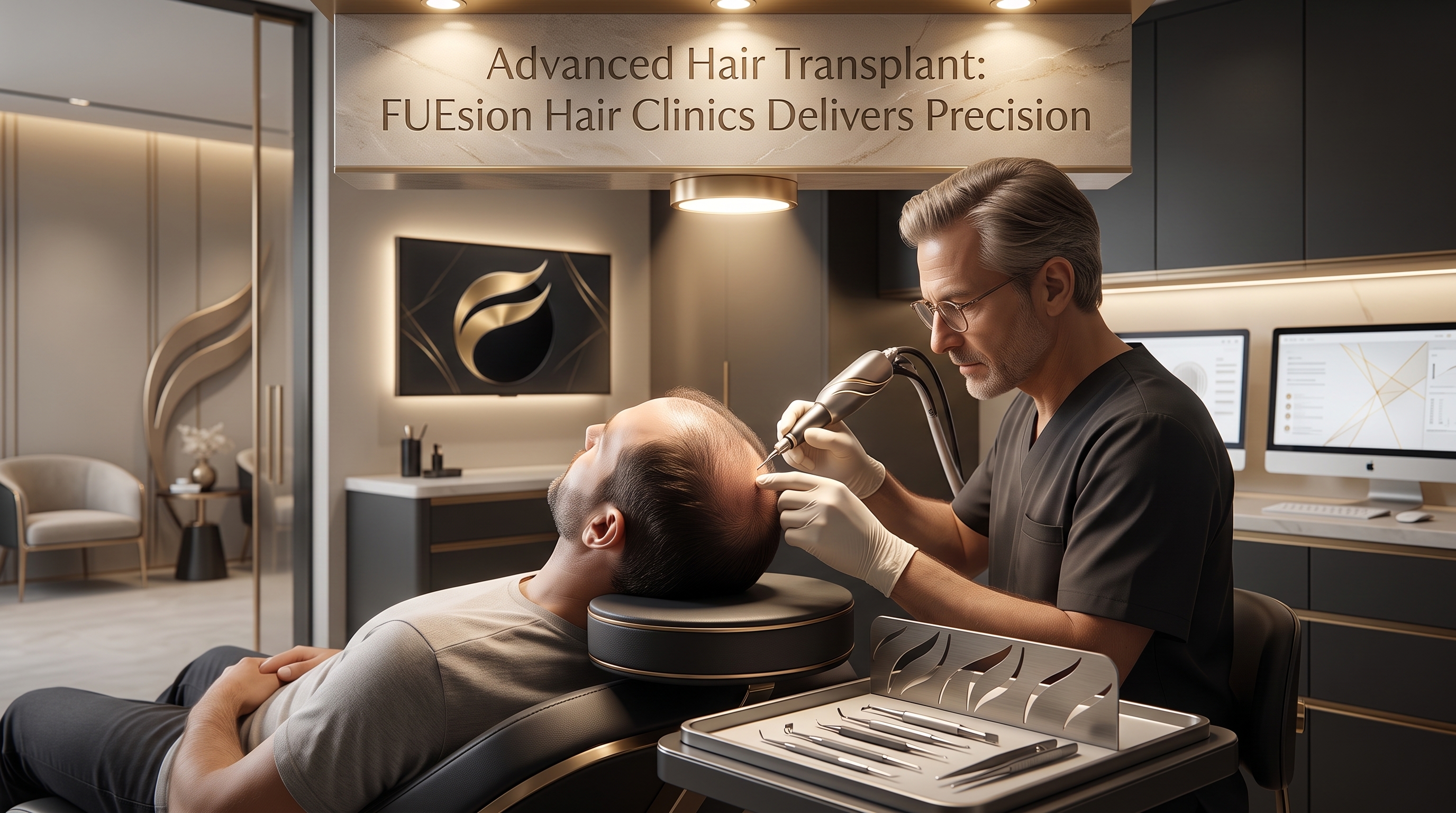
Non-prescription interventions can be effective for many people, but there are clear signs that it’s time to escalate beyond an over the counter hair loss treatment. Rapid or patchy shedding, alopecia areata patterns, scarring on the scalp, or associated symptoms like pain and significant dandruff warrant urgent evaluation. A clinician can order blood work, perform dermoscopy, and recommend prescription medications or procedures tailored to the diagnosis. For women with diffuse thinning, exploring specialized therapies such as the Female Hair Transplant option or hormonal investigations may be appropriate.
When in-clinic procedures are indicated, options include prescription anti-androgens, platelet-rich plasma (PRP) therapy, and hair transplant surgery in selected candidates. These interventions are designed for sustained, durable improvement when conservative measures fall short. To understand what a clinic-based pathway looks like, review our technology page and patient testimonials to see outcome examples and read about the process from consultation to recovery.
Before committing to advanced therapies, it’s reasonable to trial an evidence-based over the counter hair loss treatment for a defined period—typically 4–6 months—with objective documentation of progress. If you want clarity on expected outcomes or to visualize possibilities, click the tool below and use our simulator to preview likely results. When you’re ready, our team is available via the contact page to help coordinate diagnostics and plan next steps.
See your potential results before you commit.“Use evidence as your compass: start with clinically proven over-the-counter options, document progress, and seek specialty care if you don’t see meaningful improvement.”
Conclusion: build a smart, realistic plan around over the counter hair loss treatment
Choosing an effective over the counter hair loss treatment requires balancing science, patience, and a willingness to pivot when results are limited. Start with products that contain proven active ingredients—primarily minoxidil—and complement them with scalp health measures such as ketoconazole shampoo, nutritional optimization, and, if appropriate, LLLT devices. Read labels carefully, set a measurement plan for progress, and be realistic about timelines; meaningful change typically unfolds over several months and depends on consistent application.
If you’re unsure where to begin or you’ve tried multiple non-prescription products without success, take advantage of professional resources to refine your approach. Use our consultation service to get a personalized evaluation, explore in-clinic options via services, and view outcome examples in the gallery. Above all, prioritize safe, evidence-based choices to avoid wasting time or exacerbating scalp sensitivity.
Ready to see what’s possible? Use the simulator to preview potential results and then reach out to begin a tailored plan. When used thoughtfully, an over the counter hair loss treatment can be a cost-effective first step on a broader journey toward fuller, healthier hair.
Book a consultation or contact us today to discuss an individualized plan.
Medical Information Disclaimer
This content is provided for general educational purposes only. It is not a substitute for professional advice, diagnosis, or treatment. Readers are advised to consult qualified professionals for personalized recommendations.
See how we can help you
Get Started Today