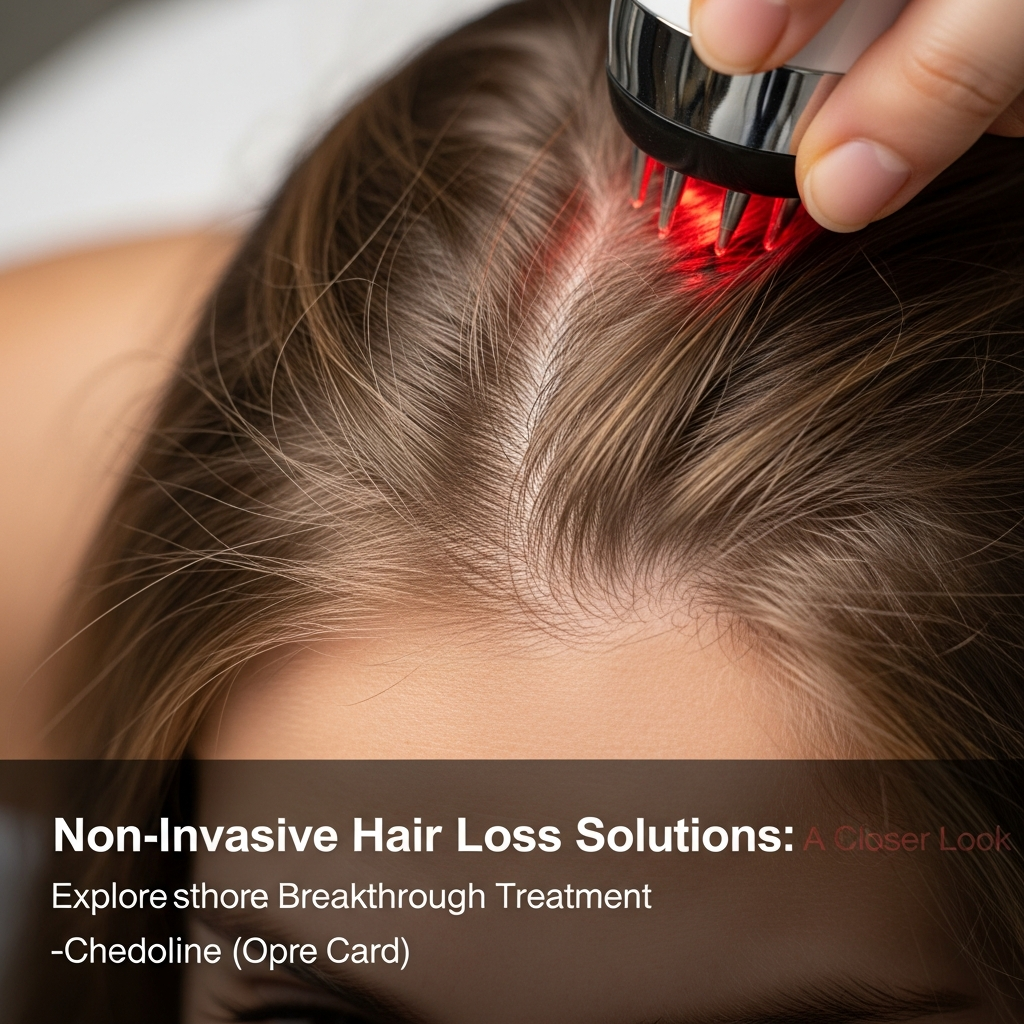
Non-invasive hair loss treatment has moved from experimental to mainstream as more people seek effective alternatives to surgery that fit busy lives and budgets. In this article you will learn what truly counts as a non-invasive hair loss treatment, which therapies have the best evidence behind them, how to evaluate providers, and what realistic outcomes you can expect. Whether you are beginning to notice thinning or you have tried topical remedies with limited success, this guide will walk you through the options with clarity and clinical perspective.
The landscape of non-invasive hair loss treatment includes medical therapies, device-based approaches, and combination plans that aim to halt shedding and stimulate regrowth without incisions. We’ll compare strengths and limitations, look at the science behind technologies, and explain how to make a personalized plan with measurable goals. Along the way you’ll find links to our services, technology insights on our technology page, and real patient stories in testimonials so you can see how these options perform in practice.
Understanding non-invasive hair loss treatment: how they work and when to choose them
Before committing to any plan, it’s essential to understand what we mean by non-invasive hair loss treatment. These are interventions that do not require surgical incisions or tissue removal; instead they rely on topical medications, oral drugs, low-level light therapy, platelet-rich plasma performed without grafting, microneedling adjuncts, and engineered device platforms designed to stimulate follicles. The goal is twofold: to slow or stop active hair loss and to reactivate dormantly weakened follicles so they produce thicker, healthier hair shafts over time.
Choosing a non-invasive hair loss treatment begins with diagnosis. Hair thinning has many causes—genetic androgenetic alopecia, hormonal shifts, nutritional deficits, stress-related telogen effluvium, and autoimmune conditions require different approaches. A careful consultation, which you can arrange through our contact page, will typically include scalp evaluation, medical history review, and targeted testing where indicated. This diagnostic foundation ensures the therapies you choose address the underlying drivers, not just the symptoms.
Non-invasive approaches are particularly well-suited for patients who want to avoid downtime or who are not candidates for surgery due to medical or lifestyle reasons. They are also an excellent first-line strategy for early-stage thinning, or as an adjunct to later surgical interventions to optimize results and preserve donor resources. When combined intelligently, non-invasive hair loss treatment can produce meaningful density improvements and slow progression for many people over months rather than years.
“Effective hair restoration starts with accurate diagnosis. Non-invasive therapies can deliver measurable change when they are chosen and monitored strategically.”
Medical and topical therapies: the backbone of conservative care
Medical therapy remains the most evidence-based pillar of non-invasive hair loss treatment. Topical minoxidil and oral finasteride (or dutasteride in select cases) have decades of data showing benefit in stabilizing hair loss and improving density for androgenetic alopecia. Minoxidil is available in multiple formulations and strengths, and adherence to daily application is critical because benefits wane if treatment stops. Many patients see improvements between three and six months, with continued gains up to a year when compliance is high.
Beyond classic agents, adjunctive options such as topical anti-androgens, botanical serums with supportive nutrients, and prescription compounded formulas can be integrated for personalized care. For women, hormonal evaluation and targeted management—sometimes involving oral medications or adjustments to birth control—can be a decisive factor in treatment success. Our clinical team reviews systemic implications and coordinates care with referring physicians to ensure a holistic plan.
Medication-based non-invasive hair loss treatment is most effective when combined with regular follow-up to measure progress and tolerance. We use outcome tracking tools and photography in our gallery to document response and refine regimens. In many cases, starting with medical therapy provides a clear sense of whether follicles remain responsive and whether device-based enhancements might be beneficial later.
Ready to take the next step?
Book a Free ConsultationDevice-based treatments: lasers, LEDs, and advanced stimulators
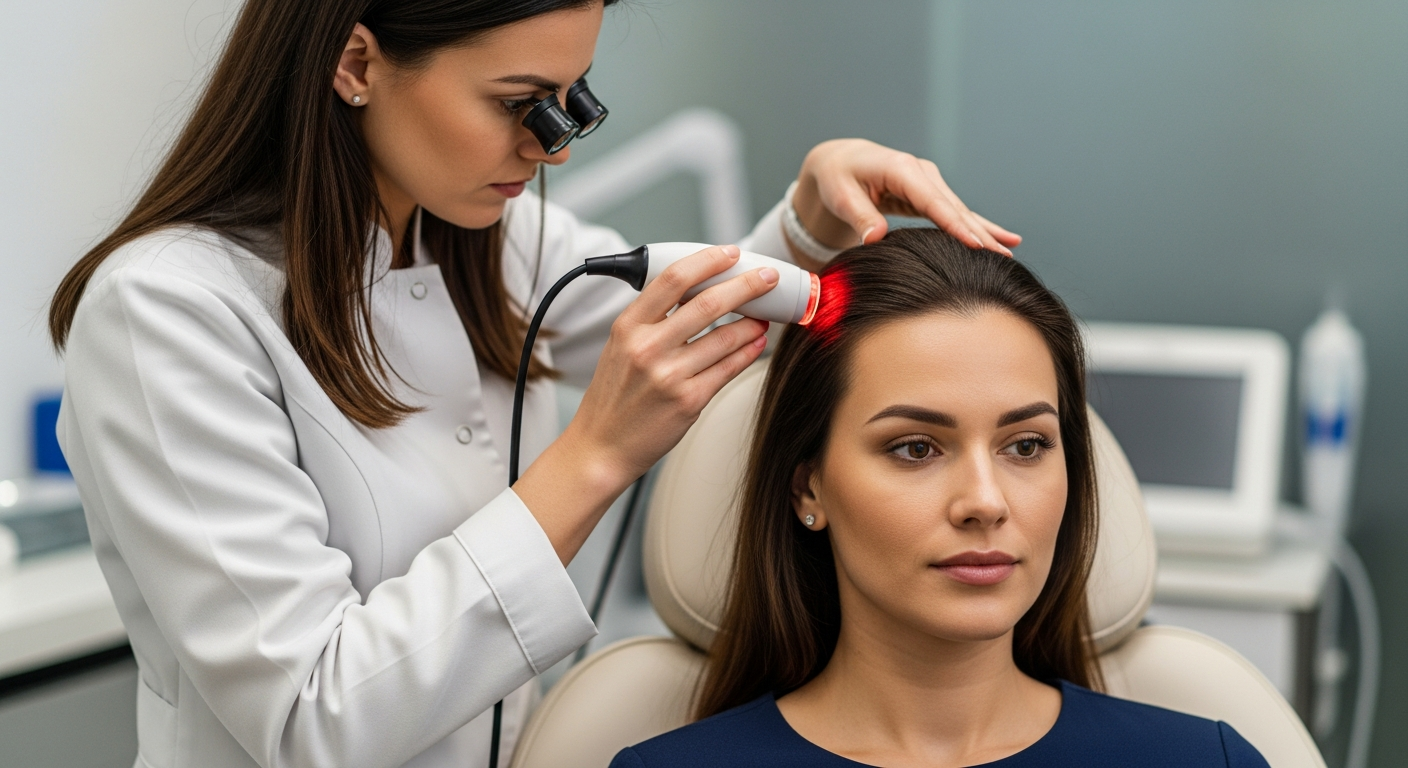
Device therapies are a rapidly evolving sector of non-invasive hair loss treatment, with low-level laser therapy (LLLT) and LED devices among the most popular. These platforms deliver specific wavelengths of light to the scalp to enhance cellular metabolism, improve blood flow to follicles, and reduce local inflammation. Clinical trials report modest but consistent gains in hair density and thickness when used regularly according to manufacturer and clinical protocols.
Home-use helmets and in-clinic laser sessions offer different trade-offs between convenience and intensity. Home devices support long-term adherence but deliver lower energy per session, while in-clinic systems can offer higher doses in a controlled environment. Choosing the right device involves assessing your schedule, budget, and baseline disease severity. Our technology page outlines vetted devices and clinical protocols, and we recommend a structured regimen rather than sporadic use for reliable outcomes.
Another growing category is microneedling performed without surgical grafting as part of non-invasive hair loss treatment. When combined with topical minoxidil or growth factor serums, controlled micro-injury can enhance transdermal delivery and stimulate growth factors in the scalp. This combination approach is increasingly common because it leverages multiple mechanisms to prime follicles for regrowth while avoiding invasive procedures.
Biologic and regenerative adjuncts: PRP and growth factor therapies
Platelet-rich plasma (PRP) therapy and growth factor injections occupy a prominent place among contemporary non-invasive hair loss treatment options. PRP uses concentrated patient platelets to deliver a cocktail of growth factors that can support follicle health and shorten the resting phase of hair cycles. Protocols vary, but most clinicians recommend an initial series of treatments followed by maintenance sessions every 3–6 months depending on response. PRP is appealing because it uses autologous material, and many patients tolerate it well with minimal downtime.
Emerging biologics and exosome products promise similar mechanisms with different preparation and potency profiles. While scientific backing is growing, rigorous comparative trials are still limited. When adding biologic adjuncts to a plan, clinicians should prioritize quality-controlled preparations and transparent outcome tracking. Patients who combine PRP or growth factor therapy with medical therapy often experience additive benefits because the modalities tackle hair loss from complementary angles.
For those exploring non-surgical pathways, discussing realistic expectations is essential. Biologic non-invasive hair loss treatment can improve hair thickness and reduce shedding, but complete restoration of hair density is less predictable, especially in advanced stages. Our team frequently integrates PRP into multi-modal plans and reviews before-and-after documentation in consultations available via consultation booking.
“Regenerative treatments add an important boost, but they are most powerful when paired with proven medical therapy and consistent follow-up.”
Want personalized advice?
Schedule Your AssessmentDesigning a personalized plan and measuring meaningful results
Successful non-invasive hair loss treatment relies as much on planning and measurement as on the therapies themselves. An actionable plan sets specific goals, a timeline for expected changes, and objective measures such as global photography, hair counts, and patient-reported outcomes. We advise a minimum of six months of consistent therapy before judging effectiveness for most non-surgical interventions, with formal assessments at three-month intervals to recalibrate the approach.
Combination therapy is often the most effective path: starting with evidence-based medical therapy, adding device-based stimulation, and layering biologic adjuncts when appropriate. Lifestyle and nutritional adjustments—addressing iron, vitamin D, and other deficiencies—must be part of the program because they affect follicle biology profoundly. Our care coordinators help patients leverage our online tools, including a progress tracker and comparison photos in the gallery, to maintain engagement and adherence over time.
If you’re weighing non-surgical options against procedural routes, consider a hybrid strategy: use non-invasive hair loss treatment to stabilize and improve donor and recipient areas before discussing surgical enhancements later. We also recommend trying a virtual preview to set expectations—our interactive simulator gives a visual of potential outcomes and is available both on-site and through our appointment process. For a realistic look at what these approaches might achieve, try the simulation tool by visiting our simulator.
Conclusion: Take the next step with confidence
In summary, non-invasive hair loss treatment offers a spectrum of clinically supported options that can slow hair loss, improve thickness, and increase patient confidence without the commitments of surgery. The most effective programs integrate diagnosis, evidence-based medical therapy, device support, and regenerative adjuncts when appropriate, all guided by regular monitoring and clear outcome goals. Considering a staged or combination approach gives you flexibility and the best chance for measurable improvement while preserving future surgical options if they become desirable.
If you’re ready to explore what a tailored, conservative plan could do for you, start with a professional evaluation and a documented baseline. You can learn more about our full set of offerings on our services page, review patient stories in testimonials, and book an appointment via contact. For a personalized visual preview, use our interactive tool here: Female Hair Transplant to explore related options, or click the simulator below to see potential results before committing.
See your potential results before you commit.
Medical Information Disclaimer
This content is provided for general educational purposes only. It is not a substitute for professional advice, diagnosis, or treatment. Readers are advised to consult qualified professionals for personalized recommendations.
See how we can help you
Get Started Today