Natural hair treatment for growth starts with understanding how hair follicles respond to nutrition, scalp environment and daily care. In this guide you'll learn evidence-informed remedies, a realistic routine you can adopt today, and when to consider clinical options. Whether you want thicker ends, faster length retention, or to reverse early thinning, a consistent natural hair treatment for growth can make a measurable difference without harsh chemicals.
We’ll explore five practical areas: scalp health and stimulation, targeted nutrition and supplements, topical botanicals and oils, gentle styling and protective techniques, and when to seek professional support. Each step is focused on promoting the hair cycle, reducing breakage and improving density — the core goals of any sustainable natural hair treatment for growth. By the end you’ll have a tailored plan, links to helpful resources on our site, and a clear next step to test the approach.
This article integrates clinical insight, home-based strategies and realistic timelines so you can track progress month to month. If you’re curious about how professional services fit into a natural approach, we reference our clinical options and patient stories throughout, and you can learn more at our services page or view real results in our gallery. Start here and adopt a simple, repeatable plan for a long-term natural hair treatment for growth.
Restore scalp health: the foundation of growth
Healthy hair starts at the scalp. A simple, consistent routine that balances sebum, improves circulation and reduces inflammation is the cornerstone of any effective natural hair treatment for growth. Begin by assessing your scalp condition: is there buildup, flaking, excessive oiliness or chronic itch? Addressing these issues removes physical barriers to follicle oxygenation and nutrient delivery, which are essential for robust anagen (growth) phases.
Daily habits matter: use a gentle, sulfate-free cleanser two to three times per week to avoid stripping natural oils, and incorporate a weekly exfoliation to remove product buildup and dead skin. Apply a lightweight, non-comedogenic oil like jojoba or rosehip to dry areas rather than heavy mineral oils that can clog follicles. Consider adding a scalp massage using your fingertips for five to ten minutes several times a week to stimulate blood flow — multiple studies link improved microcirculation with enhanced hair shaft health as part of a broader natural hair treatment for growth.
Topical, evidence-backed actives such as low-concentration caffeine serums or rosemary oil can complement mechanical stimulation. Use these alongside clinical guidance and always patch-test new formulas. For more in-depth options and clinical scalp assessments, visit our consultation page and read patient experiences on our testimonials page to understand how targeted scalp plans have helped others with thinning.
Quick scalp routine
Adopt a three-step scalp routine: cleanse twice weekly with a gentle cleanser, exfoliate once weekly with a mild scrub or chemical exfoliant, and apply a circulation-stimulating oil or serum after massage. This consistent practice reduces inflammation, opens follicles and optimizes the environment for any topical or internal therapies you add later in your natural hair treatment for growth. For guidance on products and technology used in advanced clinic protocols, see our technology page.
Nutrition and supplements that support thicker hair
Nutrition powers each hair cycle. If the follicle lacks key vitamins, minerals and protein, hair can enter shedding phases prematurely. A balanced diet focused on complete proteins, omega-3 fatty acids, iron, zinc, vitamin D and B-complex vitamins provides building blocks for keratin synthesis. Integrating these dietary habits into your plan is a pragmatic, long-term component of any effective natural hair treatment for growth.
Start with high-quality protein sources like eggs, fish, legumes and lean meats. Omega-3s from fatty fish, flaxseed or algae oil support scalp barrier function and reduce inflammation. Monitor iron levels and ferritin with your clinician if you notice diffuse thinning; iron deficiency is a common and reversible cause of hair loss, and correcting it often improves density. Vitamin D status correlates with hair health too — supplement responsibly if levels are low.
Targeted supplements can accelerate recovery when dietary intake is insufficient. Look for formulas that include biotin at reasonable doses, vitamin B12, B5 (pantothenic acid), zinc and selenium. Marine collagen peptides and hydrolyzed protein supplements can aid hair thickness by providing amino acids required for keratin formation. Always choose third-party tested products and discuss interactions with other medications during a consultation — book through our contact page if you want clinical advice.
Meal and supplement schedule
Design a weekly meal plan that prioritizes protein at each main meal, include at least two servings of fatty fish per week, and add color through leafy greens and legumes for iron and folate. Supplement daily if needed, and re-test key labs at three- to six-month intervals to measure response. This methodical nutritional approach amplifies the effects of topical care and mechanical support in a comprehensive natural hair treatment for growth.
Ready to take the next step?
Book a Free ConsultationTopical botanicals and oils: what works and what’s hype
Botanicals and plant oils are central to many at-home regimens, but results vary by formulation, concentration and application technique. Some ingredients have consistent clinical support, while others rely on anecdote. Effective components include rosemary oil, peppermint oil, and certain peptide-containing serums — all of which can complement mechanical stimulation and nutrition in a robust natural hair treatment for growth.
Rosemary oil, in randomized studies, performed comparably to low-dose minoxidil for some patients over six months by improving scalp circulation and reducing inflammation. Peppermint oil has been shown to increase follicle depth and dermal thickness in animal models and can create a cooling sensation that encourages improved blood flow when used at safe dilutions. Carrier oils such as grapeseed, argan and coconut can condition the shaft, improve manageability and reduce breakage when applied sensibly.
Use essential oils diluted to safe concentrations (typically 1-2% in carriers) and avoid applying undiluted to the scalp. For serums, favor products with transparent ingredient lists, stable preservatives and clinical data supporting their claims. If you're curious about combining botanical care with clinic-led procedures or want to see before-and-after patient outcomes, explore our gallery and clinic assurance statements to understand safety protocols and expected results.
“Consistency, not frequency, is the secret: gentle, evidence-based topical care applied regularly fosters better outcomes than sporadic, high-intensity treatments.”
Styling, tools and protective measures to minimize breakage
Even with ideal scalp health and nutrition, mechanical breakage can limit visible growth. Hairstyles that tug at the hairline, daily heat styling, and harsh brushing practices damage the cuticle and lead to split ends — all factors that undermine a natural hair treatment for growth. A deliberate shift toward low-manipulation styles and protective methods reduces breakage and helps you retain length.
Adopt these habits: lower your heat settings and use heat protectants before styling, switch to wide-tooth combs or detangling brushes, and avoid elastic bands that crease or snap hair. Sleep on a silk or satin pillowcase to reduce friction-induced breakage, and trim split ends regularly to prevent climbing splits that force new cuts. Protective updos that distribute tension evenly are preferable to tight braids or buns that strain the hairline.
For those using electrical tools, invest in ceramic plates with even heat distribution and use a clinical-grade heat shield when possible. Combine mechanical care with the topical and nutritional strategies already discussed to maximize the effect. Our calculator tools can help you estimate realistic timelines for visible improvements based on starting density and routine changes, while our about page explains our philosophy on balanced, conservative grooming.
Want personalized advice?
Schedule Your AssessmentWhen to escalate: clinical support and complementary procedures
A comprehensive natural hair treatment for growth begins at home, but some situations benefit from clinical evaluation and adjunctive procedures. If you notice rapid shedding, persistent patchy loss, or poor response after six months of disciplined home care, a consultation with a hair specialist will help identify underlying causes like androgenetic alopecia, autoimmune conditions or hormonal imbalances. Early assessment opens access to combined strategies that preserve follicles and accelerate recovery.
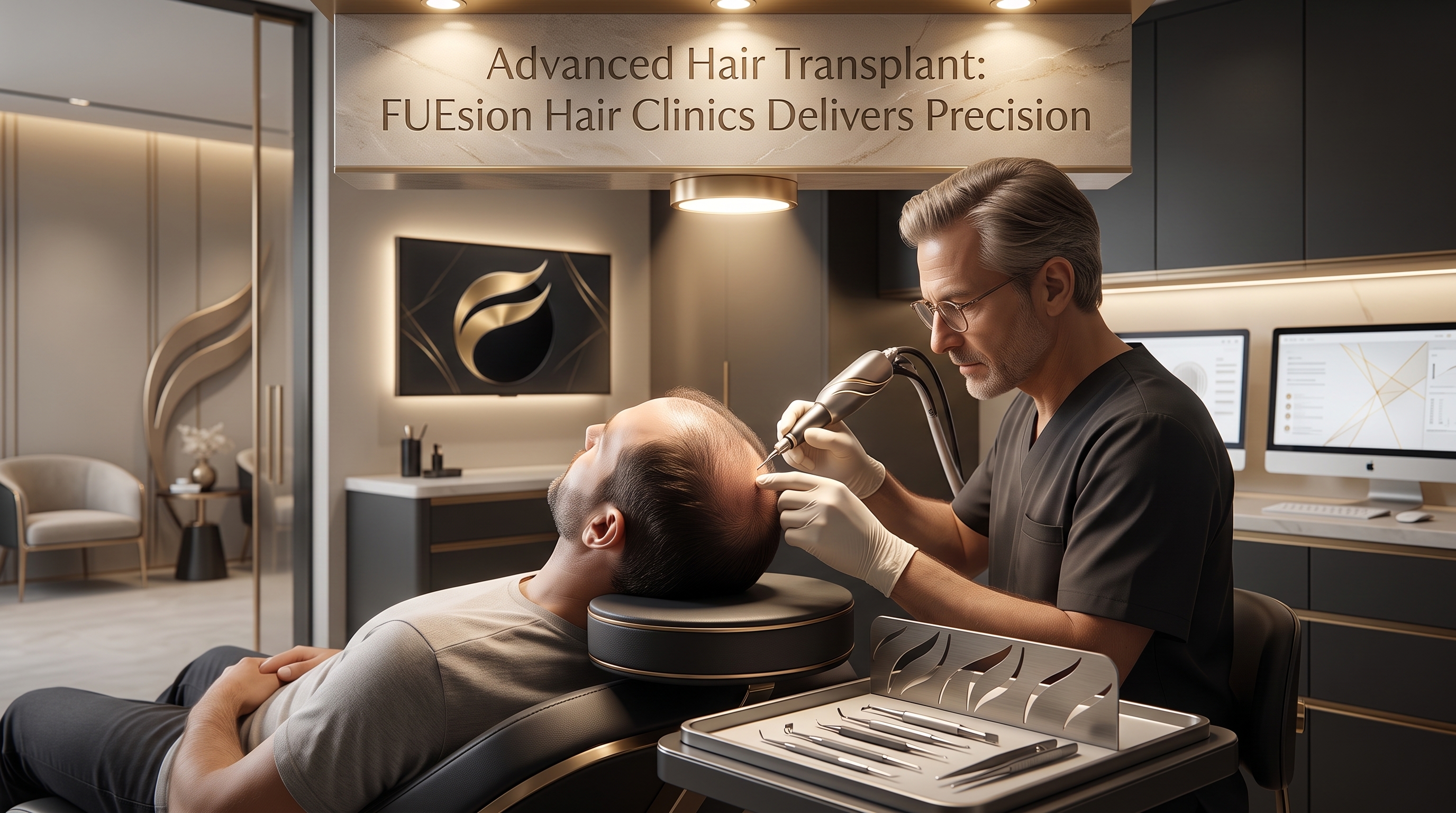
Clinical options include topical pharmacologics, low-level laser therapy, platelet-rich plasma (PRP), and, when appropriate, surgical restoration. These interventions are often most effective when used to complement, not replace, the home-based elements of a natural hair treatment for growth. Discuss expected timelines, risks and maintenance needs during a consultation; you can schedule one via our consultation page or contact our team through the contact page.
For women concerned about diffuse thinning, consider a tailored evaluation — options differ from male-pattern treatments. If you're exploring surgical routes or want an objective preview, our dedicated resource on Female Hair Transplant explains patient suitability and outcomes clearly. Use the interactive tool to visualize potential changes and pair that with the practical home care strategies described here for the best long-term results.
If you want a low-commitment way to preview outcomes, use our simulator to see potential changes before deciding: try the simulator.
See your potential results before you commit.
Conclusion: a realistic 12-month plan to follow
Adopting a structured, evidence-informed natural hair treatment for growth is about layering reliable practices: restore scalp health, optimize nutrition, apply effective topicals, minimize mechanical damage, and escalate to clinical care only when appropriate. Start by committing to a three-month baseline routine — scalp sessions twice weekly, nutritional adjustments, and protective styling — then re-evaluate. Most individuals begin to notice textural improvements and reduced breakage within three months, with measurable density changes around six to twelve months when consistent.
Keep a simple photo log and track objective metrics like hair shedding counts and hairline position. Use our resources to support progress: book a clinician review through consultation, review patient stories on testimonials, and reference procedural information on our services page if you consider complementary interventions. This blended approach—home care plus targeted clinical support—offers the highest probability of lasting improvement.
If you’re ready to begin, take the next step: try the visual simulator to preview realistic outcomes and then schedule a personalized consultation to convert that insight into an achievable plan. Consistency, patience and smart choices are the pillars of any successful natural hair treatment for growth; start today and measure progress along the way.
Medical Information Disclaimer
This content is provided for general educational purposes only. It is not a substitute for professional advice, diagnosis, or treatment. Readers are advised to consult qualified professionals for personalized recommendations.
See how we can help you
Get Started Today