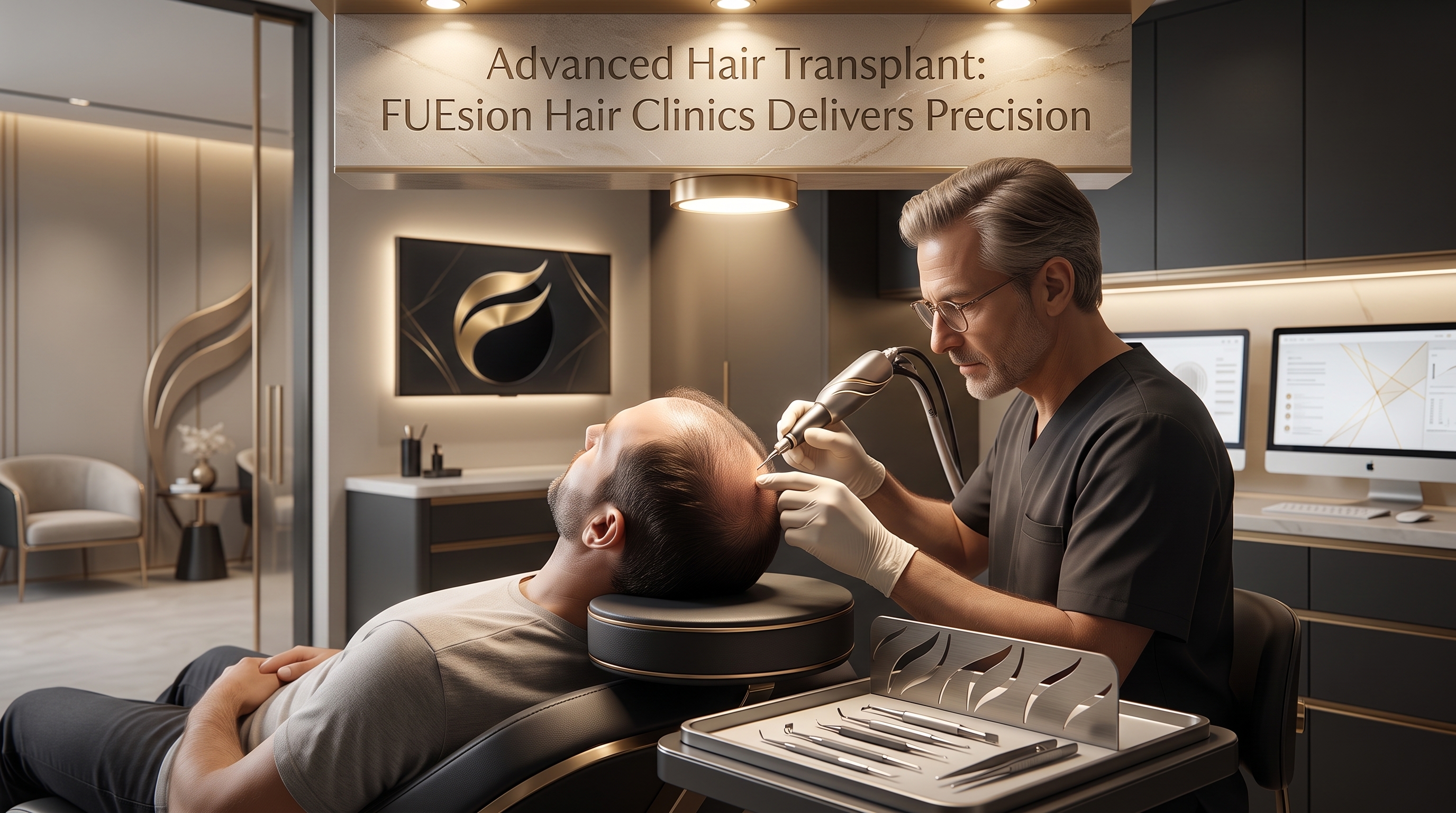
men hair transplant is one of the most searched cosmetic procedures for men looking to restore a fuller hairline and regain confidence. In this comprehensive guide you'll learn how modern techniques differ, what realistic results look like, how recovery unfolds, and how to choose a clinic with the right expertise. Whether you're beginning research or narrowing options, this article maps the journey from consultation to long-term care with practical insights and clinic-focused recommendations.
We begin with the fundamentals of why men pursue a men hair transplant, then move into technique comparisons, candidate suitability, expected outcomes, and practical recovery strategies. Along the way you'll find links to our services overview and the clinic technology that influences outcome, as well as a clear next step to visualize your likely results. By the end you will feel equipped to compare options, ask the right questions at consultation, and take confident steps toward hair restoration.
Understanding the Basics: Why a Men Hair Transplant Works
Male-pattern hair loss, or androgenetic alopecia, is the most common reason men explore a men hair transplant. The procedure transfers permanent donor hair — typically from the back and sides of the scalp — into thinning or balding areas to create a natural-looking hairline and density. Modern surgical techniques focus on preserving graft viability, minimizing scarring, and replicating natural hair direction, which is why technique selection and surgeon skill are key to success.
Not every hair loss pattern or expectation is appropriate for a transplant; candidacy depends on factors like donor hair quality, the extent of hair loss, medical history, and long-term expectations. A thorough consultation should include medical review, scalp assessment, and clear photography to document hair density and scalp laxity. Your clinician will also discuss non-surgical options and combination plans, because sometimes medical therapy or platelet-rich plasma (PRP) treatments complement or delay the need for surgery.
Before committing, use tools and resources to visualize outcomes and review real patient journeys. Visit our gallery to see before-and-after images and read patient stories on the testimonials page. These resources help set realistic expectations and show how a properly planned men hair transplant can restore both appearance and confidence when performed by experienced hands.
"A successful hair transplant begins with honest evaluation, realistic goals, and choosing a surgeon who prioritizes natural hair direction and long-term planning."
Techniques Compared: FUE, FUT, DHI, and What They Mean for Men
When men evaluate a men hair transplant, understanding technique differences is crucial. Follicular Unit Extraction (FUE) removes individual follicular units from the donor zone and implants them into recipient sites, leaving tiny punctate scars. Follicular Unit Transplantation (FUT), also known as the strip method, removes a strip of scalp and yields a linear scar but can provide a large number of grafts in a single session. Direct Hair Implantation (DHI) is a variation of FUE that places grafts directly with a specialized implanter, aiming for precision in angle and density.
Each technique has distinct trade-offs. FUE often offers faster healing and less visible scarring for men who prefer shorter haircuts, while FUT can be efficient when many grafts are needed in one session. DHI allows meticulous placement of individual hairs but may increase procedure time and cost. The best approach depends on your hair characteristics, scalp elasticity, and the aesthetic goals you discuss in consultation. Consider a clinic that offers multiple techniques and tailors the plan rather than pushing a single method.
Technology and clinician skill influence outcomes just as much as the chosen technique. Modern clinics use stereo microscopes for graft dissection, advanced microscopes to assess graft quality, and precise local anesthesia protocols to maximize patient comfort. Learn more about the tools and protocols used in cutting-edge clinics by visiting our technology overview page to understand how equipment and technique together determine graft survival and natural results.
When to Choose One Technique Over Another
If you require high graft numbers to address extensive baldness, a combined approach or an FUT session followed by FUE touch-ups can be effective. For men desiring minimal downtime and the ability to cut hair short, FUE or DHI often fits better. A responsible clinic will recommend the least invasive plan that meets your long-term goals and will provide clear rationale for the chosen method.
Ready to take the next step?
Book a Free ConsultationWho Makes a Good Candidate: Assessing Suitability and Timing
Not every man with hair loss is an immediate candidate for a men hair transplant; sound candidacy involves both medical and aesthetic considerations. Ideal candidates have sufficient donor hair density, stable hair loss patterns, and realistic expectations about outcomes. Younger men with early-stage hair loss require careful planning because hair loss may progress; in such cases, surgeons typically offer staged treatments or combine medical therapy to stabilize loss before surgical intervention.
Medical screening includes a review of medications, chronic health conditions, and possible scalp disorders that could affect healing and graft survival. Some systemic conditions and smoking can impair blood flow and raise complication rates, so clinicians may recommend lifestyle adjustments before surgery. Psychological readiness is also evaluated because a successful outcome depends on patience; transplanted hair grows in phases and final cosmetic benefits often take 12–18 months to fully mature.
During your evaluation, expect a discussion about donor supply and future planning. Because a men hair transplant uses permanent donor follicles, the surgeon will consider how future hair loss could affect density and appearance. This long-term view is essential to creating a hairline and distribution that age gracefully, so ask your surgeon to show treatment plans that account for potential future hair loss and to explain alternatives like medical therapy or staged procedures.
What to Expect During Recovery and When Results Appear
Recovery from a men hair transplant is a defined process with predictable stages, although individual experiences vary. Immediately after the procedure you may have swelling, mild discomfort, and scabbing in the recipient area; these are normal and typically subside within one to two weeks. Donor sites heal quickly, especially with FUE, and most men return to normal light activities within a few days, following their surgeon's instructions for care and avoidance of heavy exertion.
The growth timeline of transplanted hair follows biological cycles. Transplanted hairs often shed in the first few weeks — a normal phase called shock loss — and regrowth begins after about three to four months. Noticeable density usually appears by six to nine months, with final maturation of texture and density between 12 and 18 months. Patience is essential; premature comparisons to final results can lead to disappointment if natural growth schedules are misunderstood.
Proper post-operative care, including gentle washing protocols, avoiding sun exposure, and following medication instructions, supports graft survival and optimal healing. Clinics commonly provide a post-op kit and detailed instructions; if any unusual symptoms occur, early communication with your clinic is important. For a personalized plan and timeline, schedule a consultation so the team can map recovery expectations to your specific treatment plan — see our consultation page to book an evaluation.
"The best recovery is a guided recovery: follow the instructions, attend follow-up visits, and communicate concerns early to ensure grafts settle into their new sites successfully."
Want personalized advice?
Schedule Your AssessmentRealistic Outcomes: Setting Expectations, Costs, and Next Steps
Realistic expectations are the foundation of satisfaction after a men hair transplant. A transplant improves density and hairline contour but does not create the hair volume of youth in every case. Surgeons achieve natural-looking results by carefully designing the hairline, angling grafts to mimic natural direction, and balancing density with long-term donor reserve. High-quality results depend on appropriate graft selection, precise placement, and a plan that anticipates future hair loss.
Cost considerations are part of the decision-making process. Prices vary by technique, graft count, clinic location, and surgeon experience. While cost is important, prioritize value — clinics that invest in experienced teams, advanced technology, and comprehensive aftercare produce more consistent results. Many clinics offer transparent pricing calculators and financing options; you can use tools like our calculator to estimate treatment scope and cost, and then compare that to real patient stories in the testimonials section to evaluate value.
Before committing, visualize your potential outcome and compare realistic previews. Our clinic offers a simulator so patients can see predicted results tailored to their photos. If you'd like to explore your likely results before any irreversible decisions, try this step now: See your potential results before you commit. For broader context about services we offer and postoperative assurances, visit our assurance and services pages to understand guarantees, warranties, and the full suite of care.
Finally, if you're comparing options for men against female treatments, consult separate resources because goals and donor patterns differ. For information on female-specific procedures, see the dedicated Female Hair Transplant resource to understand how planning and technique vary between genders.
Conclusion: Take the Next Confident Step Toward Restored Hair
Choosing to pursue a men hair transplant is a meaningful decision that combines medical assessment, aesthetic planning, and personal goals. The right approach balances a realistic understanding of donor supply, technique choices, and recovery timelines with a focus on natural results and long-term planning. Start with a thorough consultation, review gallery images and testimonials, and use available technology to preview outcomes so that your expectations align with likely results.
If you're ready to take the next step, book a consultation and ask for a personalized plan that covers technique rationale, graft numbers, recovery timeline, and long-term strategy. For transparent information about clinic processes and guarantees, visit our about and assurance pages, and examine before-and-after cases in the gallery to confirm the clinic's aesthetic approach and success rates. Visualize your result today with our simulator and speak with a specialist to create a plan tailored to you.
See your potential results before you commit. To schedule a face-to-face or virtual consultation, visit our consultation page — confident, informed choices start with the right information and the right team.
Medical Information Disclaimer
This content is provided for general educational purposes only. It is not a substitute for professional advice, diagnosis, or treatment. Readers are advised to consult qualified professionals for personalized recommendations.
See how we can help you
Get Started Today