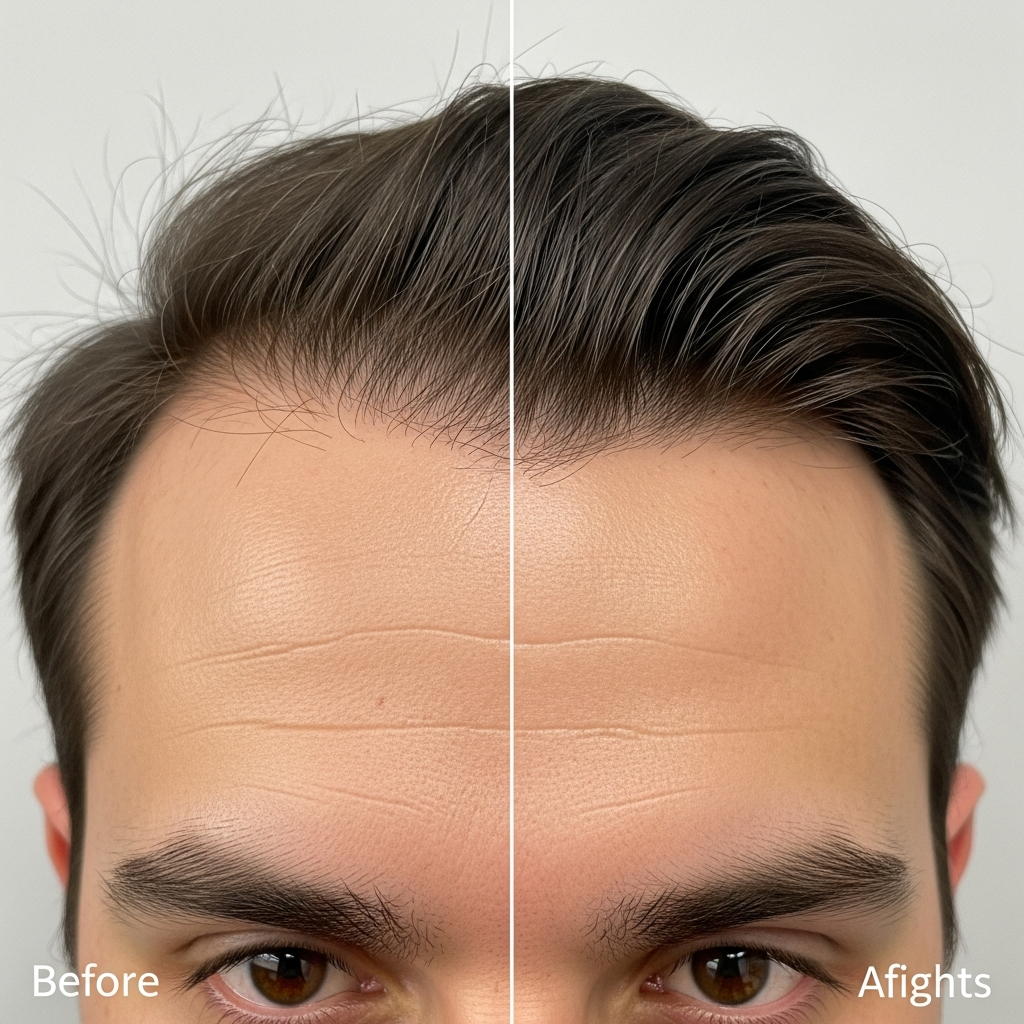
Hair Transplant Before and After Results: Real Patient Outcomes at FUEsion Clinics
Deciding on a hair transplant is a major step. For many patients, the most persuasive evidence is real-world hair transplant before and after results that show how hairlines improve, density returns, and confidence is restored. This comprehensive guide walks you through typical timelines, what to expect at 3, 6, and 12 months, real patient case studies, and how FUEsion Clinics delivers predictable outcomes using modern techniques.
Why Before and After Photos Matter
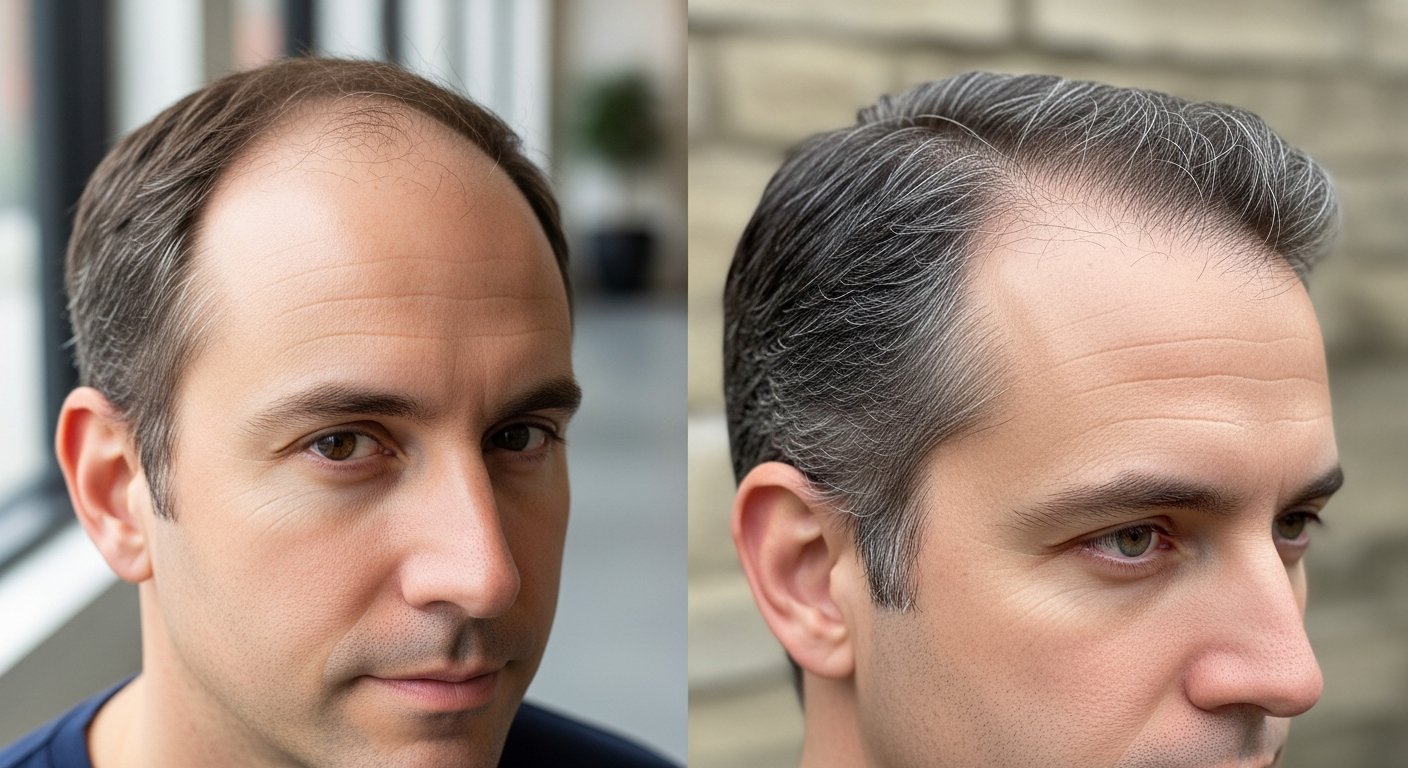
Before and after photography is more than marketing — it's a transparent record of surgical planning, technique, and healing. Well-documented hair transplant before and after results help potential patients evaluate candidacy, set realistic expectations, and compare outcomes based on technician skill, technology, and post-op care.
What to look for in before and after images
- Consistent lighting and angles to ensure fairness.
- Clear timestamps to show the timeline of results.
- High-resolution close-ups of hairline and density.
- Notes on technique used (FUE, FUT, dense-packing, etc.).
We publish curated galleries of verified cases on our Gallery and encourage prospective patients to read independent testimonials for a fuller perspective.
Understanding Typical Hair Transplant Timelines
Expecting immediate fullness is a common misconception. Most of the realistic change is a staged process. Below we outline the typical progression you’ll see in professional hair transplant before and after results — including what is normal and what might indicate a complication.
Immediate post-op (0–2 weeks)
Right after surgery you will notice the transplanted grafts and a band of redness. Photos taken within the first two weeks document the surgical placement, donor healing, and initial crusting. These early images are important for medical records but are not indicative of final outcomes.
Shedding phase (2–12 weeks)
It is normal for newly transplanted hairs to shed, a process called shock loss. This stage is well captured in before-and-after series and is a necessary step before new growth begins. Accurate hair transplant before and after results sets include documentation of this phase to reassure patients.
Early regrowth (3–6 months)
By three months, many patients begin to see fine hairs emerging. At the six-month mark, differences are more obvious: increased density, improved hairline shape, and a clearer sense of the final direction. We show standardized 3-month and 6-month photos as part of our consultation materials.
Full maturation (9–12+ months)
Most patients enjoy the majority of their transformation by 9–12 months. In some cases, especially with thicker hair or body hair grafts, final maturation can continue beyond 12 months. Comprehensive hair transplant before and after results collections always include 12-month photos as a baseline for assessing final outcomes.
Ready to take the next step?
Book a Free ConsultationReal Patient Case Studies: Before and After
Below are representative, anonymized case overviews that reflect the kinds of hair transplant before and after results you can expect at FUEsion Clinics. Each case includes the patient’s starting point, surgical approach, graft count, and timeline images.
Case 1: Rebuilding a Receding Hairline
Patient: Male, age 38. Concern: Norwood 3–4 receding hairline. Procedure: Precision FUE, 2,500 grafts. Outcome: Noticeable improvement in hairline framing at 6 months, natural density at 12 months. Published hair transplant before and after results show careful graft placement and natural angulation.
Case 2: Filling the Crown
Patient: Male, age 45. Concern: Diffuse thinning at crown. Procedure: FUE with crown-focused graft distribution, 2,200 grafts. Outcome: Substantial coverage and reduced scalp visibility at 9 months. The hair transplant before and after results illustrate the importance of graft distribution for cosmetic density.
Case 3: Female Pattern Hair Loss
Patient: Female, age 32. Concern: Frontal thinning, widened part line. Procedure: Follicular unit extraction paired with PRP, 1,800 grafts. Outcome: Improved part width and thicker frontal hair by 12 months. Before-and-after images demonstrate subtle, feminine restoration — a highlight in our Services portfolio.
What to Expect at 3, 6, and 12 Months
Detailed milestones help patients manage expectations. Below is a practical guide tied to photographic checkpoints so you can interpret your own hair transplant before and after results at each stage.
3-Month Checkpoint
- Appearance: Fine vellus hairs start to appear; surgical crusts resolved.
- Sensation: Mild numbness or tingling in donor/recipient sites may persist.
- Photos: 3-month images should show early regrowth compared to baseline.
- Advice: Continue topical or oral medications if prescribed; protect scalp from sun.
6-Month Checkpoint
- Appearance: Noticeable density improvements; hair shaft thickening begins.
- Styling: You can start shorter styles; transplanted hairs respond to normal cutting.
- Photos: 6-month images illustrate the transition from early regrowth to cosmetic improvement.
12-Month Checkpoint and Beyond
- Appearance: Most patients achieve the majority of their final result by 12 months.
- Maintenance: Discuss ongoing medical therapy or additional sessions if necessary.
- Photos: 12-month before-and-after comparisons are the industry standard for final assessment.
Want personalized advice?
Schedule Your AssessmentFactors That Influence Before and After Results
Not all hair transplant before and after results are identical. Several variables determine the visible outcome:
Donor hair quality and density
The most critical factor. Thicker, denser donor hair produces fuller after images. Our team evaluates donor reserves with the same rigor we use when documenting hair transplant before and after results.
Surgical technique and team skill
Technique (FUE vs. FUT), graft handling, and placement precision all directly affect the naturalism seen in before-and-after photography. At FUEsion Clinics we emphasize meticulous graft preparation and angulation to optimize results.
Patient biology and care
Healing capacity, adherence to post-op instructions, and use of adjunctive treatments like PRP or topical minoxidil affect the final outcome. We review post-op protocols during consultation and provide follow-up checkpoints to monitor progress and document hair transplant before and after results.
How We Document and Verify Results
Transparency matters. Our process for capturing and sharing hair transplant before and after results includes standardized photography, third-party verification when applicable, and patient consent for publication.
Standardized photography protocol
- Consistent camera, lens, and lighting settings for each visit.
- Fixed patient positioning and neutral facial expressions.
- High-resolution views of hairline, mid-scalp, crown, and donor area.
- Time-stamped images at baseline, 3, 6, and 12 months.
Patient consent and authenticity
We obtain informed consent prior to publishing any case. To further build trust we encourage prospective patients to review detailed case notes and, where appropriate, arrange in-clinic consultations or virtual reviews to discuss specific hair transplant before and after results.
See how we can help you
Get Started TodayChoosing the Right Clinic: What to Ask
When comparing clinics, probe beyond glossy photos. Ask specific questions that relate to the reproducibility of hair transplant before and after results.
- Can you show full-case photo series with timestamps?
- Who performs the graft extraction and placement?
- What is the expected graft survival rate and how is it measured?
- What post-op follow-up is included, and how are complications handled?
At FUEsion Clinics we provide a structured pathway from consultation through follow-up; learn more by booking a personalized session via our Consultation page or using our Calculator to estimate graft needs and costs.
Common Misconceptions About Before and After Results
There are several myths that can skew expectations. Clear, fact-based explanations are central to interpreting any set of hair transplant before and after results.
Instant fullness myth
Transplants do not produce instant thick hair. The process of shedding and regrowth means photos must be read in context of time.
One-size-fits-all outcomes
Individual anatomy and donor reserves mean that identical procedures can yield different visual results. Good clinics illustrate this variability in their case libraries of hair transplant before and after results.
Retouching and misleading images
Some before-and-after sets use styling, lighting, or digital retouching to exaggerate outcomes. We adhere to strict photographic standards so prospective patients can see authentic progress.
Preparing for Your Own Photo Journey
If you’re considering surgery, preparing your own documented timeline will help you and your surgeon evaluate progress objectively. Follow these steps to create useful before-and-after imagery.
How to take consistent photos
- Use the same camera and settings each time.
- Shoot at the same time of day with consistent lighting.
- Capture multiple angles: front, 45-degree left and right, crown, and donor area.
- Avoid styling changes that could misrepresent hair thickness.
Share openly with your surgeon
Upload your images to your clinic portal or bring them to appointments. Visual records allow your surgeon to tailor follow-up care and consider any touch-up sessions that might enhance the final hair transplant before and after results.
Next Steps: Consultation and Personalized Planning
Seeing verified hair transplant before and after results is informative, but a personalized assessment is crucial. Our multi-step consultation includes digital simulations, review of case photos, and a transparent discussion of expectations.
Start by visiting our Home page to learn about our philosophy, or contact our patient coordinators through the Contact page to schedule a consultation. You can also read about our surgical approach on the Technology page.
Conclusion
Realistic hair transplant before and after results are the most powerful tool for assessing whether a hair restoration clinic can meet your goals. By understanding timelines at 3, 6, and 12 months, reviewing verified case studies, and asking targeted questions, you can make an informed decision. FUEsion Clinics emphasizes transparent documentation, modern technique, and personalized follow-up to deliver natural, lasting outcomes.
Frequently Asked Questions
How soon will I see noticeable hair transplant before and after results?
Most patients begin to see early regrowth at about 3 months, with significant cosmetic improvement by 6 months and the majority of final results at 9–12 months. Individual healing varies.
Do all transplanted hairs show up in before and after photos?
Photos taken at standardized intervals show the progressive emergence of transplanted hair. Because of the shedding phase, very early images may not reflect the eventual density captured in later hair transplant before and after results.
Can I trust before and after photos I find online?
Exercise caution. Look for clinics that provide timestamped, unretouched images and consented patient cases. At FUEsion Clinics, we follow a consistent photographic protocol and welcome patient visits to review authentic case studies.
What if I’m unhappy with my results shown in the after photos?
If expectations are not met, discuss options with your surgeon. Additional grafting, medical therapy, or cosmetic strategies can sometimes refine outcomes. Our team provides follow-up care and discusses revision options when necessary.
How can I view more examples of hair transplant before and after results from your clinic?
Visit our Gallery and read patient stories on our Testimonials page. To see cases relevant to your concerns, book a consultation via Consultation and we will prepare a tailored visual portfolio.
Ready to explore your own transformation? Use our Calculator to estimate graft needs, or contact us via Contact to schedule a personalized consultation.


Medical Information Disclaimer
This content is provided for general educational purposes only. It is not a substitute for professional advice, diagnosis, or treatment. Readers are advised to consult qualified professionals for personalized recommendations.
Have questions? We have answers.
Speak With an Expert