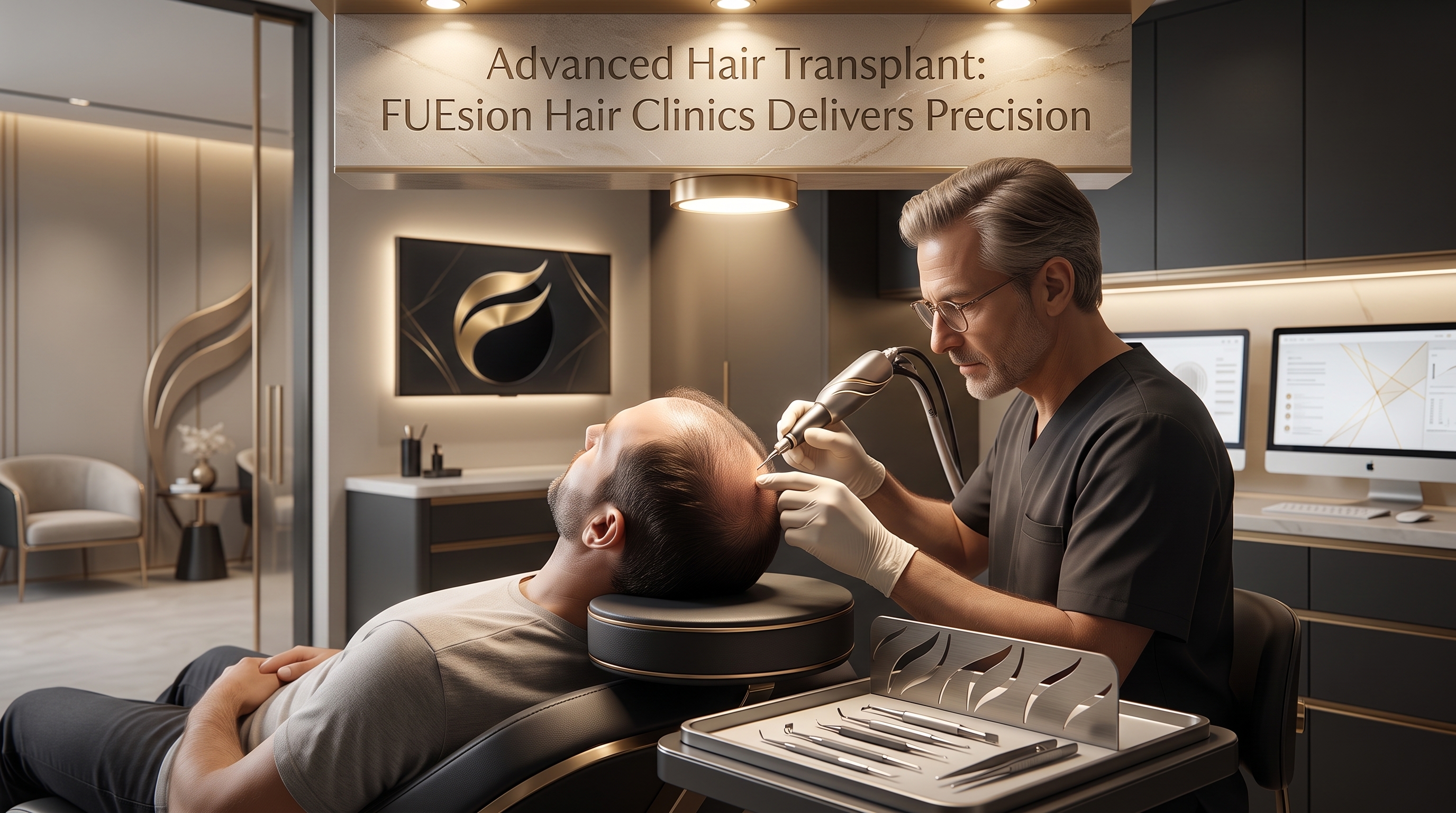
Hair plug transplant remains a frequently searched term among people researching lasting solutions to hair loss, and for good reason: understanding the procedure helps set realistic expectations and avoid outdated myths. In this guide you’ll learn what a hair plug transplant actually means today, how modern techniques differ from the original concept, who qualifies, what recovery looks like, and practical steps to choose the right clinic. We’ll also point you to visual tools and patient stories so you can evaluate potential outcomes confidently.
“Understanding the evolution from traditional plugs to modern transplant techniques is the first step toward an outcome that looks natural and suits your lifestyle.”
Throughout this article I’ll refer to the phrase hair plug transplant deliberately so you can see how it’s used in context and how clinics describe options. You’ll find links to relevant clinic pages for deeper reading, patient testimonials for social proof, and an interactive simulator that lets you preview potential results before you commit. Whether you’re early in research or narrowing clinic choices, this piece will give you the structure and vocabulary to make confident decisions.
What does a hair plug transplant mean today?
When most people say hair plug transplant, they imagine the large, clustered grafts popularized in the 1950s–1980s, but modern practice has evolved substantially. Today’s practitioners emphasize follicular unit extraction (FUE) and refined strip harvesting (FUT) methods that place hair in natural units rather than bulky plugs, producing softer hairlines and more natural density. The term still appears in conversations and marketing, so it’s important to understand whether a clinic is describing a historical technique or a contemporary approach that reduces the telltale signs of old-style plug grafting.
Contemporary clinics often use the phrase hair plug transplant to describe the general category of surgical hair restoration while clarifying they employ refined techniques. If you review clinic information on the services page, you’ll typically find explicit descriptions of FUE, FUT, and advanced graft placement strategies. That transparency matters: it helps you distinguish between a provider offering modern, patient-centered outcomes and one relying on outdated methods.
When evaluating terminology, also look for mentions of preoperative planning, digital simulations, and trichoscopic evaluation. These adjuncts show a surgeon is approaching a hair plug transplant with a contemporary, evidence-based mindset. Discussing these elements during an initial conversation or consultation will give you a clearer picture of the expected aesthetic result and whether it aligns with your goals.
Who is a good candidate for a hair plug transplant?
Not everyone is an ideal candidate for a hair plug transplant, and candidacy depends on a mix of medical, aesthetic, and lifestyle factors. Good candidates typically have stabilized hair loss (meaning the pattern of loss is not rapidly progressing), adequate donor hair—often at the back or sides of the scalp—and realistic expectations about density and scarring. Age, scalp health, and underlying medical conditions such as autoimmune disorders or uncontrolled diabetes may influence suitability, so a medical assessment is essential.
During your consultation, an experienced clinic will evaluate donor supply, hair caliber, and scalp laxity to advise whether FUE, FUT, or a combined approach is best. If you’re considering specialty options—for instance, a female-focused approach—explore targeted services like Female Hair Transplant, which address the distinct patterns and expectations women have about hair restoration. You can also review patient experiences on the testimonials page to understand real-world outcomes for people with profiles similar to yours.
It’s important to remember that a candidacy conversation extends beyond surgical eligibility. Your goals, tolerance for downtime, and commitment to adjunctive therapies such as topical treatments, medications, or platelet-rich plasma (PRP) will influence both the approach and the likely aesthetic outcome of a hair plug transplant. Transparency at this stage helps minimize surprises later.
Ready to take the next step?
Book a Free ConsultationTechniques: from plugs to FUE and FUT
Historically, the phrase hair plug transplant described large, round grafts that often gave an obvious “doll-like” look. Modern techniques prioritize follicular units—natural groups of one to four hairs—and place them with consideration for hair direction, angulation, and natural hairline design. The two main surgical approaches now are FUE and FUT, each with advantages depending on individual anatomy and priorities.
FUE (follicular unit extraction) involves harvesting individual follicular units directly from the donor area using micro-punches. This approach minimizes linear scarring and typically allows faster healing. FUT (follicular unit transplantation), also called strip harvesting, removes a thin strip of scalp from the donor region, which is then dissected into grafts under magnification. FUT can yield a high number of grafts in a single session, which is useful for extensive restoration needs. Hospitals and clinics that describe their approach, including technology on the technology page, tend to offer better-informed choices.
Advanced graft placement and artistry
What really separates older concepts of a hair plug transplant from modern practice is the meticulous attention to placement. Surgeons use micro-incisions that mimic natural hair exit angles, stagger graft densities across the frontal, mid-scalp, and crown regions, and often combine techniques to optimize donor utilization. A well-executed plan can make a surgical restoration virtually indistinguishable from natural hair growth.
Before committing, ask to see before-and-after galleries and case studies on the gallery page and inquire about the surgeon’s approach to hairline design. Experienced clinics will demonstrate an individualized plan, not a one-size-fits-all “plug” solution. This level of individualized planning is core to modern hair restoration and the way surgeons interpret a hair plug transplant in the 21st century.
Recovery, risks, and what to expect from results
Recovery after a hair plug transplant varies by technique but follows predictable stages: immediate healing, shedding of transplanted hair (shock loss), and gradual regrowth over months. FUE patients often report quicker local healing with minimal visible scarring, while FUT patients might experience a linear scar that can be concealed under longer hair. Regardless of technique, most patients resume light activities within a few days and see meaningful regrowth by six to nine months, with full maturation by 12–18 months.
Risks are generally low when the procedure is performed by a qualified team, but they can include infection, poor graft survival, numbness, and unnatural density if the planning is inadequate. Discuss these risks openly during your consultation and ask how the clinic mitigates them through sterile technique, post-op protocols, and follow-up. You should also ask about adjunct treatments to support regrowth, such as topical therapies or PRP, which many clinics highlight on their services page as part of a comprehensive plan for better outcomes.
“A realistic timeline, clear risk discussion, and a follow-up plan are the best predictors of patient satisfaction after a hair transplant.”
Setting expectations is crucial: a hair plug transplant—when executed with modern methods—can restore density and confidence but generally won’t give the same density as someone who never experienced hair loss. For many patients, the most valuable outcome is a natural-looking hairline and improved fullness in targeted areas, which translates to a measurable improvement in appearance and self-esteem.
Want personalized advice?
Schedule Your AssessmentChoosing a clinic, cost considerations, and next steps
Choosing the right clinic is one of the most important decisions you’ll make when pursuing a hair plug transplant. Look for transparent pricing, clear procedure descriptions, and evidence of outcomes. Many clinics provide a consultation that includes a hair and scalp assessment and digital simulation of potential results; you can try an interactive preview with the clinic’s simulator—useful tools help set realistic expectations. Also review the clinic’s patient stories and independent testimonials on testimonials to understand their track record.
Cost varies widely and is influenced by graft count, technique, surgeon expertise, and geographic location. While price is a factor, prioritize value: a lower upfront cost may produce unsatisfactory results that require corrective procedures later. Ask potential clinics about package details, the surgeon’s direct involvement, and aftercare support documented in their assurance or patient care policies. Financing options and stepwise treatment plans are commonly offered to spread cost while enabling staged restoration for complex cases.
Before you commit, schedule a formal consultation and request access to clinical galleries and patient references. Many clinics now offer a visual planning session so you can preview outcomes; take advantage of this by uploading photos and discussing density goals. For a hands-on peek at what your result could look like, use the interactive preview: See your potential results before you commit. If you have questions about next steps, you can also reach out directly via the clinic’s contact page to book an appointment.
- Confirm surgeon credentials and direct involvement in surgery.
- Compare before-and-after galleries and patient reviews.
- Understand long-term costs including medications and potential touch-ups.
Finally, consider location and continuity of care—local follow-up visits can be important, but reputable clinics often manage remote follow-up successfully if you’re traveling. Explore clinic locations on the locations page and confirm the aftercare plan during your consultation to ensure smooth recovery and support.
Conclusion: Make an informed choice about a hair plug transplant
In summary, the phrase hair plug transplant can reference a range of concepts from outdated large grafts to modern, finely executed follicular unit restoration. The critical distinction is whether a provider uses contemporary planning, precise graft placement, and transparent communication about candidacy, risks, and expected timelines. As you research, prioritize clinics that explain technique differences clearly, provide galleries and testimonials, and offer a personalized consultation that includes planning tools and follow-up care.
If you’re ready to evaluate your options, begin with a practical step: request a consultation, review patient results, and use the simulator to visualize potential outcomes. Many clinics—including those that specialize in tailored female approaches—list detailed service pages and educational materials to help you prepare. For a direct comparison of your expected results, take advantage of the interactive tool and talk with clinicians about a plan that fits your goals and lifestyle.
Take action now: preview your possible outcome with a visual simulator and then book a consultation to discuss a tailored plan. You can also read patient stories on the testimonials page or learn about clinic assurances on the assurance page. Ready to see what modern restoration can do? See your potential results before you commit.
Medical Information Disclaimer
This content is provided for general educational purposes only. It is not a substitute for professional advice, diagnosis, or treatment. Readers are advised to consult qualified professionals for personalized recommendations.
See how we can help you
Get Started Today