The moment you start researching hair loss treatment for ladies, it becomes clear there is no one-size-fits-all answer. Women experience hair thinning and shedding for a variety of hormonal, genetic, nutritional and medical reasons, and choosing the right path requires clarity, confidence and a plan. In this guide you'll learn how specialists evaluate female hair loss, the most effective non-surgical and surgical options, and how to build a sustainable maintenance program that delivers natural-looking results.
Throughout this article we'll demystify common procedures and therapies, explain when to consider advanced solutions, and show you what realistic outcomes look like. If you've searched for hair loss treatment for ladies because you're ready to take action, this article will give you an expert framework to discuss with your clinician. We'll also point you to practical resources on our site so you can book a consultation, view patient results, or run an outcome simulation.
Whether you are only beginning to notice shedding or you have had persistent thinning for years, you will finish this piece with a clear sense of next steps and questions to ask your provider. Read on to learn treatment options, the timelines involved, and how to protect your long-term hair health with an individualized plan for hair loss treatment for ladies.
Understanding female hair loss: causes, diagnosis and patterns
Female hair loss is often described as diffuse thinning across the scalp, but the underlying causes can vary widely and each cause informs the best choice of intervention. Common drivers include androgenetic alopecia (female pattern hair loss), thyroid dysfunction, iron deficiency, autoimmune conditions like alopecia areata, postpartum hormonal shifts, and the effect of certain medications. A careful history, blood work and a scalp exam are the first steps toward a targeted plan for hair loss treatment for ladies.
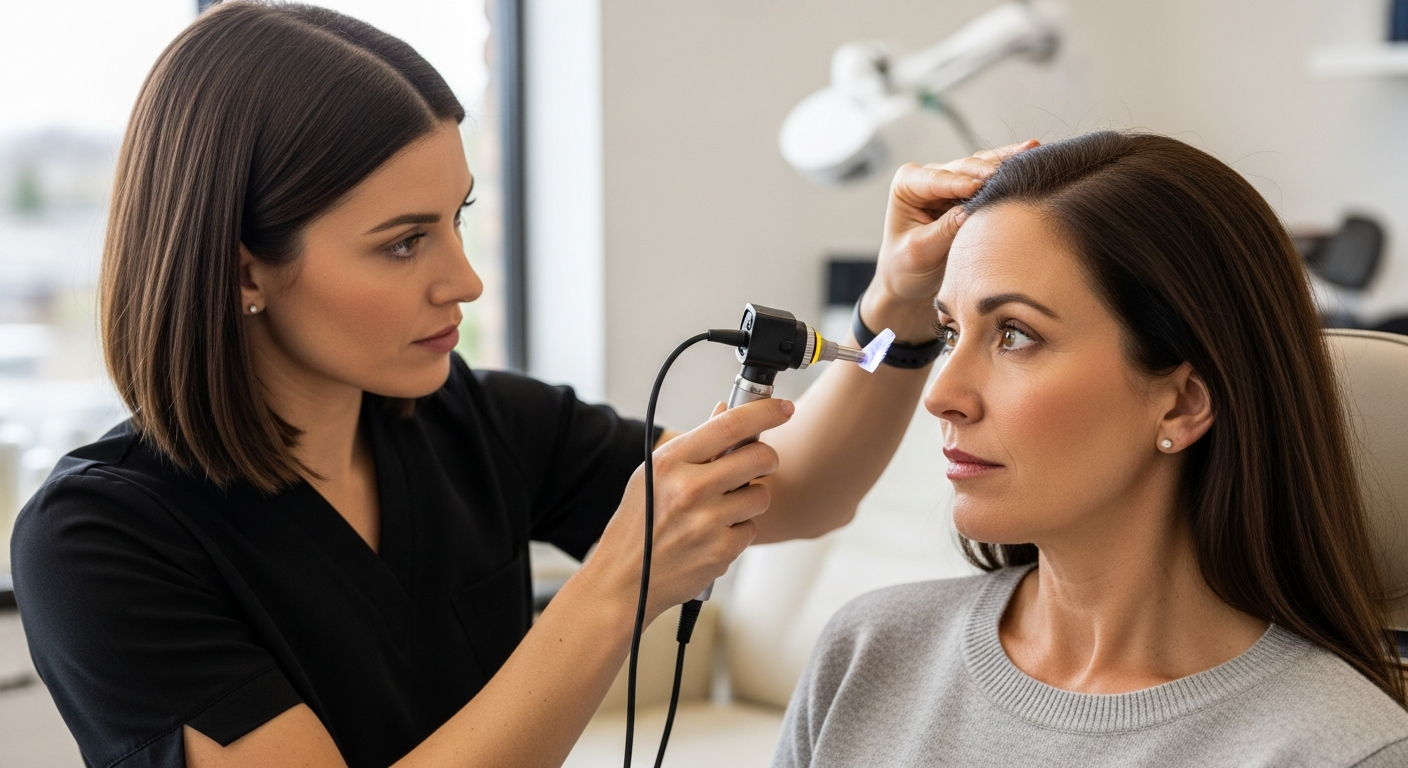
When you meet with a specialist they will typically evaluate pattern and density, review family history, test for systemic causes and may use digital scalp imaging to map progression. Accurate diagnosis matters because treatments that work for hormonal thinning may not work for inflammatory or autoimmune causes. For many patients, early intervention produces the best outcomes, which is why prompt evaluation is essential when you notice sustained changes in thickness or part width.
Understanding the timeline for hair growth is also important: hair follicles cycle slowly, and many therapies require three to six months before visible improvements appear. Expect a staged approach to hair loss treatment for ladies, where initial medical therapy may be followed by in-office procedures or surgical options if required. For more details on how our clinic evaluates patients, visit our services overview to see typical diagnostic steps and what to bring to your first appointment.
Non-surgical treatments: topical, oral and clinic-based therapies
Non-surgical options are the foundation of many treatment plans for women, and they remain the first-line approach for much of female hair thinning. Topical minoxidil is the most widely studied and commonly recommended treatment for female pattern hair loss, and it's often combined with oral therapies when appropriate. Prescription oral medications, such as anti-androgens for hormonally driven thinning, can be effective for some women when monitored carefully by a clinician.
In-office therapies complement topical and oral treatments. Platelet-rich plasma (PRP) injections, low-level laser therapy (LLLT), and microneedling stimulate local scalp circulation and can enhance the effects of medical regimens. These modalities are attractive because they carry relatively low risk and can be repeated at intervals to build sustained improvement. Many patients select combined therapy—medical plus in-office—to optimize density while avoiding surgery.
"Early, consistent medical therapy dramatically improves the odds of preserving hair and achieving regrowth. Combining topical treatments with in-office procedures often yields the most reliable results." — Clinic Medical Director
If you are exploring options, ask your provider about how they measure progress and when they would consider escalating care. Our clinic explains timelines in detail during consultations, and the team will tailor a plan designed to strengthen follicles and halt progression. If you want to explore real patient stories and outcomes for non-surgical approaches, check our testimonials and gallery for examples of staged care for hair loss treatment for ladies.
Ready to take the next step?
Book a Free ConsultationAdvanced procedures and surgical choices: when to consider them
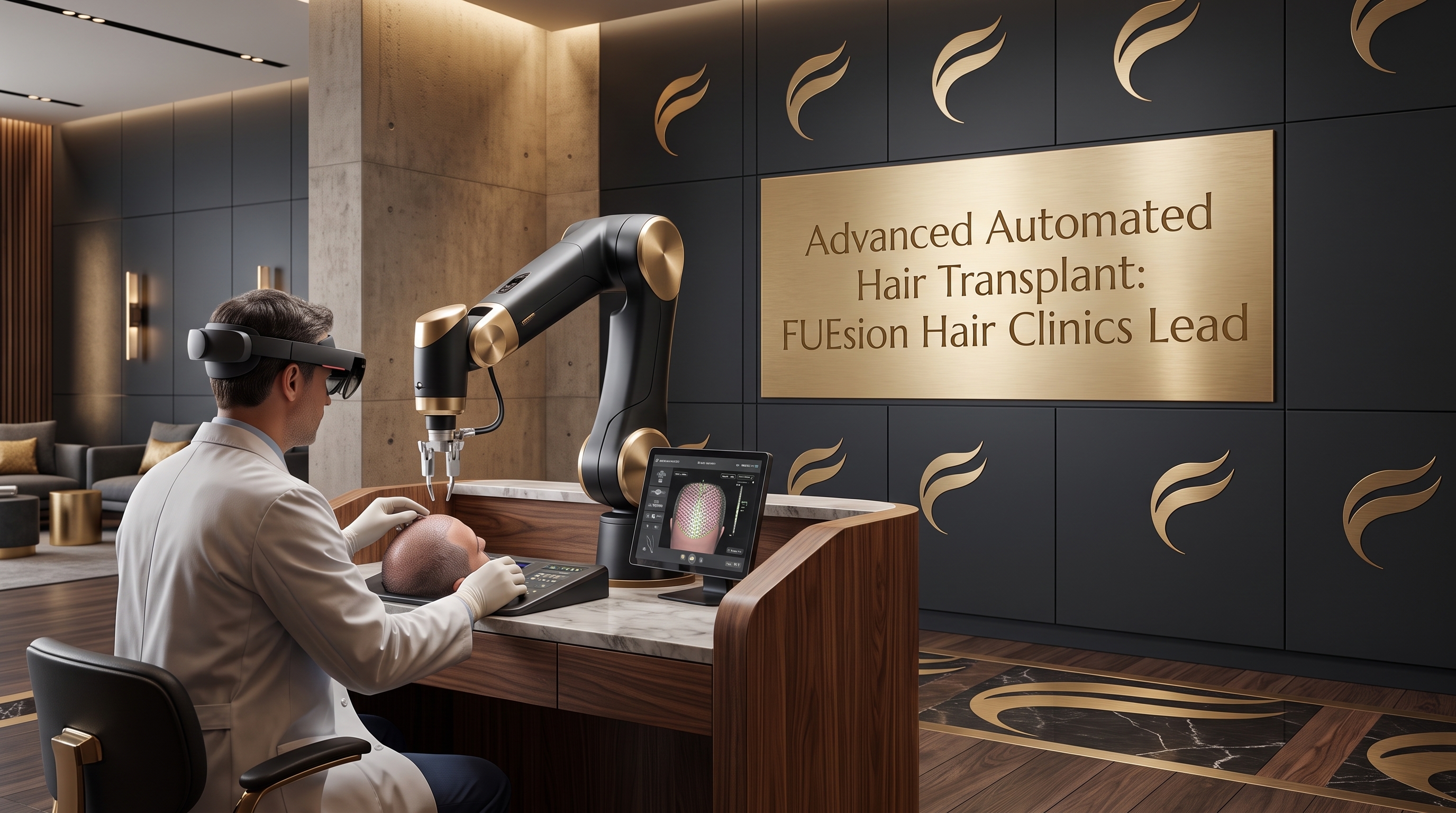
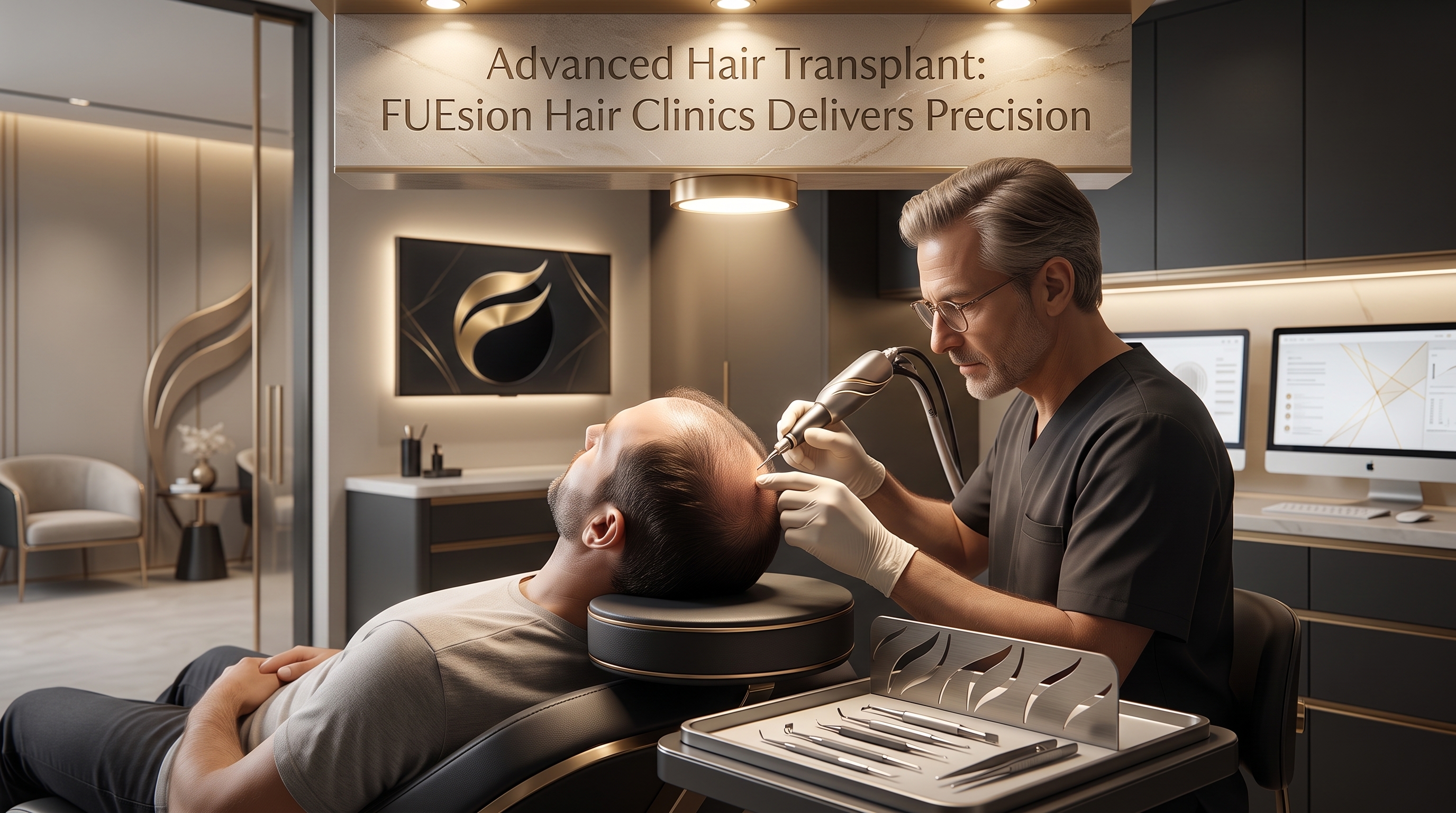
When medical and in-office measures reach their limits, surgical options become a realistic path for restoring density and hairline shape. Modern hair transplantation techniques—especially follicular unit extraction (FUE)—allow carefully placed grafts to rebuild thinning zones with minimal downtime. For women with stable donor hair and clear patterning, surgery can deliver transformative results that complement prior medical therapy.
It's important to know that surgery is not a cure-all and that candidacy depends on donor supply, scalp laxity and realistic expectations. Surgeons assess whether a patient has sufficient donor density to achieve the desired cosmetic outcome; if not, they may recommend further medical optimization or alternatives. One common surgical option referenced for women is the Female Hair Transplant, which many clinics tailor specifically to address female patterns of thinning with conservative, natural-looking graft placement.
Patients considering advanced procedures should review before-and-after galleries, ask about surgeon experience and understand the recovery timeline. A well-executed transplant is best thought of as part of a comprehensive plan: many surgeons require ongoing medical therapy post-op to protect both native and transplanted hair. To learn more about the technologies and techniques we employ, visit our technology page where we summarize tools and protocols used in surgical planning.
Building a personalized plan: consultation, planning and timelines
A thoughtful hair loss treatment for ladies plan begins with a thorough consultation that maps your goals, medical background and expectations. During the consult you'll review diagnostic testing, set priorities for density versus hairline design, and discuss the balance between non-surgical and surgical strategies. The clinician will also explain realistic timelines—medical therapies often show initial benefit at three months with maximal improvement at six to twelve months, while surgical results evolve over a year as grafts mature.
Creating a personalized plan requires transparency about costs, follow-up visits and adjunctive therapies that will support long-term results. It helps to prepare a list of questions before your appointment, such as asking how many grafts are likely needed, what pre-op labs are required, and which maintenance strategies are recommended. If you'd like to estimate the scope of possible surgical correction ahead of a visit, try our outcome tools or the hair loss calculator to get a baseline sense of graft counts and coverage needs.
- Step 1: Comprehensive evaluation and testing to identify cause and pattern.
- Step 2: Medical therapy and in-office procedures to stabilize and improve density.
- Step 3: Re-assess after 6–12 months; consider surgical options when appropriate.
Many patients appreciate seeing visual simulations of potential outcomes before committing to treatment. To preview how changes might look, you can use our simulator during the planning process. For scheduling a formal assessment, our consultation page outlines what to expect and how to prepare for your first visit focused on hair loss treatment for ladies.
Want personalized advice?
Schedule Your AssessmentRecovery, maintenance and setting realistic expectations
Recovery and ongoing maintenance are essential components of any successful female hair restoration journey. After starting medical therapy or undergoing a procedure, you'll follow a plan of follow-ups, potential touch-ups and protective measures to preserve results. Patients should be prepared for gradual improvement rather than overnight transformations—healthy regrowth follows the hair cycle and requires patience, adherence and occasional adjustments.
Long-term strategies typically include continuing topical agents, scheduled PRP or maintenance laser sessions if they were part of the original plan, and lifestyle guidance such as nutritional optimization and stress management. For surgical patients, post-op care includes gentle washing, short-term activity restrictions and follow-up visits to monitor graft growth. Our team provides clear written aftercare instructions and sets a timeline for expected milestones so you can track progress with confidence.
"Realistic expectations and consistent maintenance distinguish a satisfying outcome from disappointment. We focus on sustainable plans that support hair health long after the initial treatment."
Before you commit, one of the most practical next steps is to visualize potential results. If you'd like to see an evidence-based preview, use our online tool to explore likely outcomes and refine your goals. When you're ready to discuss a tailored strategy, reach out through our contact page to schedule an appointment or explore financing and assurance options on our assurance page. And if you want to get an immediate visual of what a plan could deliver, try the simulation tool below:
See your potential results before you commit.
Choosing a path for hair loss treatment for ladies is a personal decision that benefits from accurate diagnosis, a staged approach and realistic expectations. We recommend starting with a comprehensive evaluation to identify underlying causes and to design a plan that begins conservatively and escalates only when necessary. Whether your plan emphasizes medical therapy, in-office procedures, surgery, or a combination, the goal remains the same: safe, natural-looking restoration that fits your lifestyle.
If you're ready to take the next step, review our patient stories in the testimonials section, explore before-and-after images in the gallery, and book a consultation to discuss a custom plan. Our team is experienced in treating female hair loss and will outline options, timelines and costs so you can move forward with confidence and clarity.
Start by using our simulator or scheduling a consultation today. With an individualized strategy, many women achieve meaningful, lasting improvement—so you can feel confident about your hair and how you present to the world. To preview outcomes right now, click the simulator link below and then contact us when you're ready to proceed.
See your potential results before you commit.
Medical Information Disclaimer
This content is provided for general educational purposes only. It is not a substitute for professional advice, diagnosis, or treatment. Readers are advised to consult qualified professionals for personalized recommendations.
See how we can help you
Get Started Today