
Hair loss best treatment is a search phrase millions use when they’re ready to move from frustration to action. Whether you’re seeing a widening part, thinning at the crown, or sudden shedding, understanding the landscape of options is the first step toward regaining control. This article lays out the evidence-based approaches—from topical and oral therapies to surgical transplantation and advanced technologies—so you can decide which path suits your goals, budget, and lifestyle. By the end, you’ll have a clear framework for evaluating providers, comparing outcomes, and taking a confident next step.
Understanding Causes: How diagnosis shapes the hair loss best treatment
Choosing the right approach starts with a precise diagnosis. Hair loss can stem from androgenetic alopecia, telogen effluvium after stress or illness, autoimmune conditions like alopecia areata, or scarring alopecias that require specialized care. A treatment that works well for androgenetic thinning may be ineffective for autoimmune shedding, which is why a thorough medical history, scalp exam, and, when appropriate, blood tests or a biopsy are essential. Knowing the cause narrows the list of realistic options and influences timing, expected outcomes, and whether combination therapies are advisable.
Clinical assessment also determines whether conservative measures should be tried first. For example, if nutritional deficiencies or thyroid dysfunctions are discovered, correcting those underlying issues can reverse or reduce shedding without invasive procedures. Similarly, early-stage pattern hair loss often responds better to medical management than late-stage cases, which may be more appropriate for surgical intervention. For an in-depth overview of services and diagnostics, see our services page to learn what evaluations are recommended.
When you speak with a specialist, expect questions about family history, medication use, recent illnesses, and hair care practices. These details change the treatment algorithm and set expectations for pace of improvement. A targeted diagnosis not only identifies the hair loss best treatment options but also helps you avoid unnecessary or ineffective therapies that waste time and resources.
Medical and non-surgical options: First-line hair loss best treatment strategies
Non-surgical treatments form the foundation of most treatment plans and are often the first recommended course. Topical minoxidil and oral finasteride remain the most widely supported therapies for androgenetic alopecia, with robust clinical trials demonstrating their ability to halt progression and in many cases stimulate regrowth. Minoxidil is available in several formulations and strengths and is appropriate for both men and women in many cases, while finasteride is commonly prescribed for men and increasingly evaluated in tailored regimens. These medications require consistent use and realistic timelines—results typically appear after three to six months, and discontinuing therapy usually leads to reversal of benefits.
Beyond pharmacologic agents, low-level laser therapy (LLLT), platelet-rich plasma (PRP) injections, and microneedling have grown in popularity as adjunctive treatments. LLLT devices can improve hair density in certain patients through photobiomodulation, while PRP harnesses growth factors derived from the patient’s own blood to stimulate local follicular activity. Microneedling can enhance topical medication absorption and promote regenerative signaling in the scalp. Combining these modalities with medical therapy often produces better outcomes than any single approach, and they are frequently recommended when the primary goal is to maximize density without surgery. Learn more about technology-driven options on our technology page.
For many people, the hair loss best treatment is a layered plan: optimize health and nutrition, correct reversible causes, start evidence-based medications, and add regenerative or device-based therapies as needed. These steps can postpone or even negate the need for surgery. If you’re comparing clinics or protocols, request before-and-after documentation and ask for realistic timelines during a consultation. For scheduling a professional assessment, visit our consultation page to book an appointment.
Ready to take the next step?
Book a Free ConsultationSurgical solutions: When transplantation becomes the hair loss best treatment
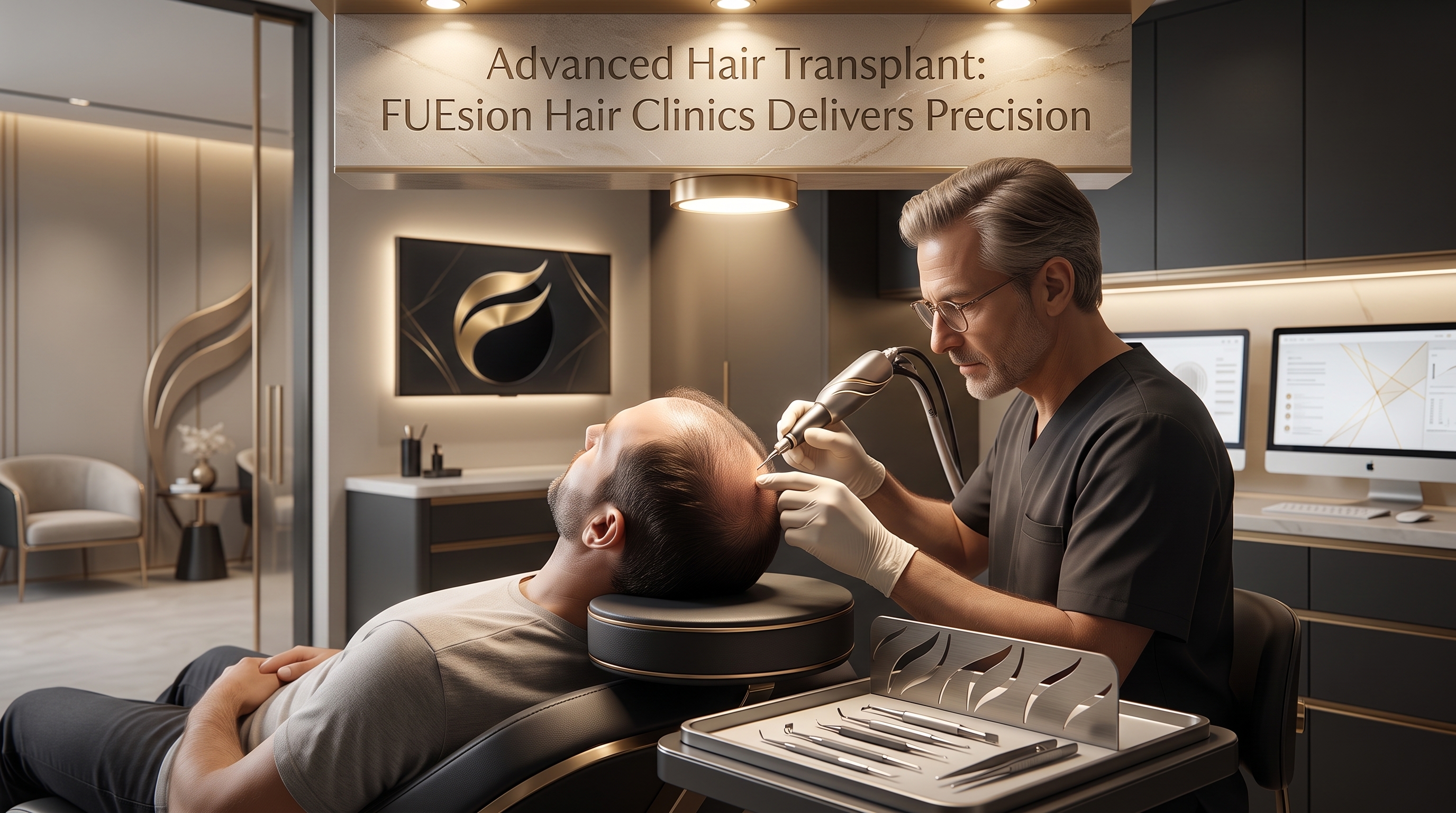
For patients with established pattern hair loss or scarring conditions where donor hair is available, hair transplantation often represents the most durable solution. Modern techniques—principally follicular unit extraction (FUE) and follicular unit transplantation (FUT)—allow precise repositioning of healthy follicles to thinning zones with natural-looking density when performed by experienced teams. The decision to pursue transplantation depends on donor supply, scalp laxity, patient age, and long-term hair loss trajectory. A well-planned transplant can restore a hairline, add density to the crown, or repair prior surgery, making it the hair loss best treatment for many seeking permanent results.
Advances in extraction tools, microscopic graft handling, and implantation strategies have significantly improved survival rates and cosmetic outcomes. Clinics that invest in technology and training typically report higher patient satisfaction, which is why reviewing a provider’s gallery and testimonials is essential when assessing potential surgeons. In some cases, combining surgery with medical therapy and PRP enhances graft survival and accelerates visible improvement. The transplant process requires planning: patients must understand recovery timelines, potential for shock loss, and realistic expectations about density. Detailed preoperative counseling and follow-up care often distinguish exceptional results from average ones.
“Surgical hair restoration is not just about graft placement; it’s about long-term planning and preserving donor resources to achieve a natural result.”
If you’re considering surgery, learn about our procedural assurances and patient support on the assurance page, or reach out directly through our contact form to discuss candidacy and logistics.
Special considerations: Women, age, and personalized care for the hair loss best treatment
Women experience hair loss differently from men, and the best approach reflects those differences. Female pattern hair loss, hormonal influences, and autoimmune etiologies require tailored evaluation and management. Surgical transplantation can be appropriate for women with stable donor areas, but many candidates benefit from combination regimens that prioritize medical therapies and regenerative options before considering surgery. If you’re researching gender-specific services, our detailed page on Female Hair Transplant explains indications, outcomes, and what to expect from female-focused protocols.
Age and ongoing hair loss progression also shape the recommended plan. Younger patients with early-stage thinning might begin with medical therapy and lifestyle adjustments to preserve hair, while older patients with extensive loss may be better served by surgical reconstruction. Personal factors—such as planned pregnancies, medications, and scalp scarring—must be incorporated into the plan to ensure safety and durability. A patient-centered approach will weigh the benefits and limitations of each option and often sequences therapies to preserve donor hair and maximize long-term satisfaction.
When evaluating clinics, ask about multi-disciplinary care that includes trichology, endocrinology, and aesthetic planning. This holistic framework helps identify the true hair loss best treatment for you, balancing immediate improvements with sustainable strategies. For real patient journeys and outcomes, review our gallery and read client experiences under testimonials.
Want personalized advice?
Schedule Your AssessmentChoosing a provider and next steps: How to pursue the hair loss best treatment with confidence
Selecting the right clinic and team is as important as choosing the treatment itself. Look for transparent outcome data, a clear explanation of risks and alternatives, and a personalized plan that aligns with your goals. Ask prospective providers how they measure success, what percentage of patients achieve your desired outcome, and how complications are handled. Reviews and before/after images offer insight, but a thorough consultation that includes scalp assessment and a tailored treatment roadmap is the true test of clinical quality.
Cost and accessibility matter, but should not be the only deciding factors. Inferior technique or poorly planned surgery can produce disappointing results that are costly to correct. Instead, prioritize accredited clinics that document their processes and provide ongoing support. If you want a low-commitment way to visualize outcomes before making decisions, try our simulation tool to preview potential results. You can jump straight to the simulator here: Simulator or use this clear call to action: See your potential results before you commit.
“The best treatment aligns with your diagnosis, lifestyle, and long-term plan—not just the quickest fix.”
When you’re ready to proceed, request a consultation that includes a written plan, expected timelines, and follow-up protocols. We encourage prospective patients to review our terms and privacy policy before submitting personal health information, and to explore financing and calculator tools such as our calculator to budget for care. For practical scheduling, visit our locations page to find the clinic nearest you.
Conclusion: Mapping the hair loss best treatment to your life and goals
Finding the right course begins with a clear diagnosis and realistic expectations. Across medical, device-based, and surgical options, the hair loss best treatment is the one tailored to your cause of hair loss, stage of progression, and personal priorities. Many patients benefit most from a blended strategy: evidence-based medications to stabilize loss, regenerative therapies to enhance density, and transplantation when durable restoration is required. Combining approaches often produces the most natural and satisfactory outcomes over time.
Take action by scheduling a professional assessment, reviewing documented results, and using tools to visualize potential outcomes. If you’d like expert guidance, start with a consultation to create a personalized treatment roadmap. Our team is ready to help—learn about our approach on the about page or contact us directly via contact. And when you’re curious about how you might look after treatment, try the simulator: See your potential results before you commit.
Medical Information Disclaimer
This content is provided for general educational purposes only. It is not a substitute for professional advice, diagnosis, or treatment. Readers are advised to consult qualified professionals for personalized recommendations.
See how we can help you
Get Started Today