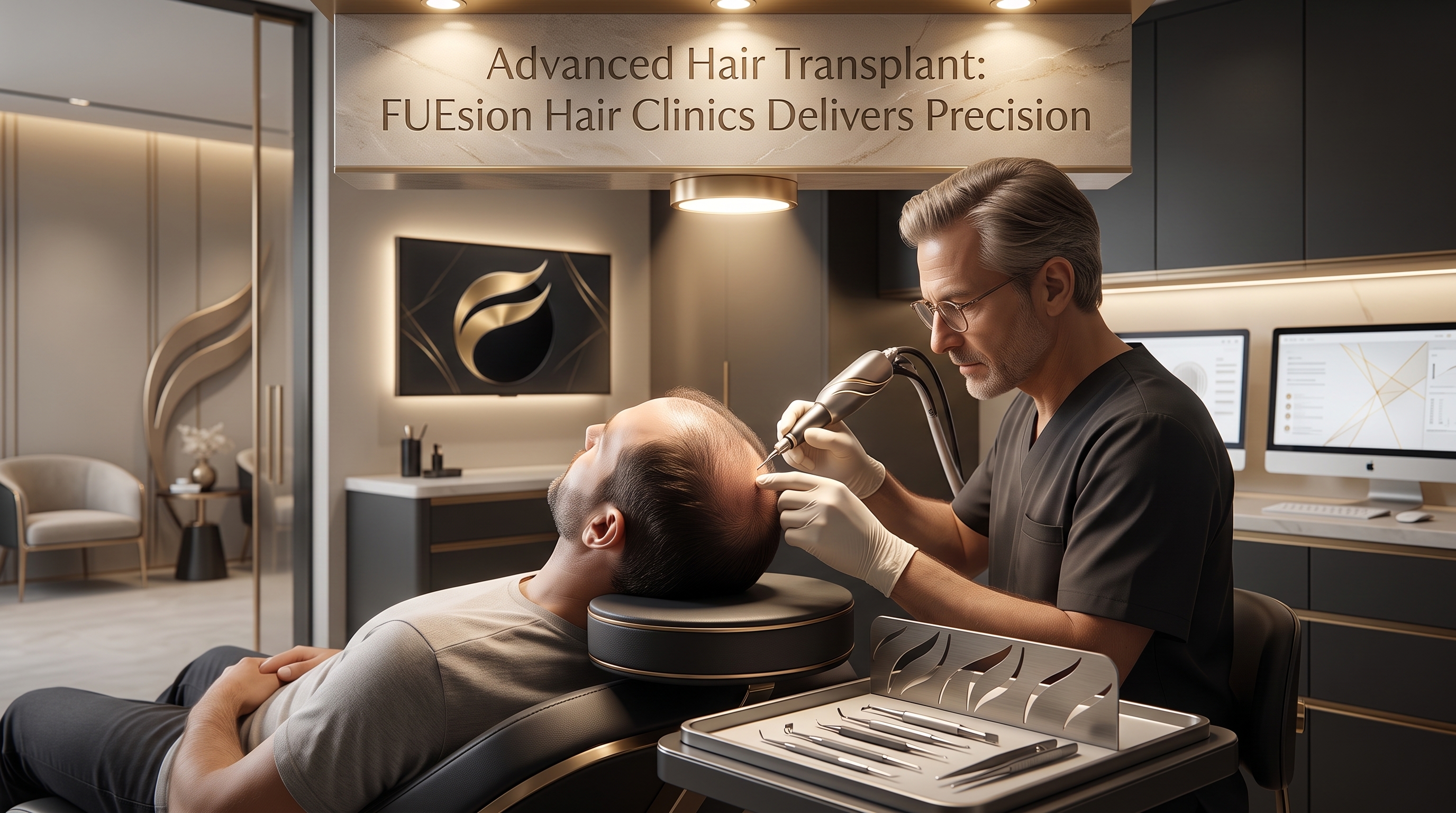
Hair implant vs transplant is a question many people ask when they first notice thinning or pattern hair loss. Whether you're beginning a research journey or preparing for a consultation, understanding the practical differences between a hair implant and a hair transplant will help you choose a reliable, lasting solution. In this article you'll learn what each term actually means, how techniques differ, who is a good candidate, the expected recovery timeline, the likely costs and long-term upkeep, and how to set realistic expectations for results.
Terminology can be confusing because clinics, marketing teams and patients sometimes use the phrases interchangeably. In practice there are important technical, regulatory and outcome differences between what some providers call a hair implant and a hair transplant. We'll unpack the science and the patient experience so you can feel confident when talking to a surgeon or hair specialist. By the end you'll know the right questions to ask during a consultation and how to use tools like a simulation to preview results.
Understanding the terminology: what people mean by hair implant vs transplant
Defining terms clearly is the first step toward an informed choice. Many people assume that hair implant vs transplant are simply two names for the same procedure, but in clinical practice the distinction matters. A hair transplant usually refers to relocating your own hair follicles from a donor site—most commonly the back or sides of the scalp—to areas of thinning or baldness. Techniques such as FUE (Follicular Unit Extraction) and FUT (Follicular Unit Transplantation) are established, well-studied transplant methods with predictable biology because they use autologous tissue.
By contrast, the phrase hair implant is used in different ways by different providers. Some clinics use the term to describe advanced implanting techniques within the broader transplant category—such as robotic implanting, sapphire blades, or specialized recipient-site creation. Other providers use the term to describe non-autologous options, like synthetic hair implants or body hair grafts. That variance in usage is why the comparison of hair implant vs transplant needs careful context: you must confirm whether a clinic means an autologous transplant or an implant product when you hear these words.
When you schedule a visit, look for transparent explanations about donor tissue, whether grafts are your own follicles, what tools are used, and what to expect biologically after implantation. A clear conversation up front reduces surprises later and lets you compare offers on the basis of technique, not just marketing language.
How the procedures differ: technique, anesthesia and recovery
Once terminology is settled, the technical differences become critical. In a standard hair transplant (FUE or FUT), your surgeon harvests healthy follicles from a donor area and then implants them into recipient sites. The process requires precise handling of each follicle to avoid damage, microsurgical skill to site the grafts at natural angles, and careful planning to ensure long-term density. Recovery from a transplant typically includes a few days of localized soreness, a week of visible scabbing, and a shedding phase followed by progressive regrowth over several months.
When someone uses the phrase hair implant to mean an implant-based alternative, the technique may differ dramatically. Synthetic hair implants, which are rare and restricted in many countries, introduce foreign fibers that do not grow and can carry greater risk of rejection or infection. In other usages, implant describes state-of-the-art graft placement systems—robotic or manual—designed to improve graft survival and placement speed. Those implants still use your own follicles but can alter the patient experience: anesthesia protocols may be similar, but implantation speed and precision can change postoperative swelling and the timeline for returning to normal activity.
Comparing hair implant vs transplant from a recovery perspective depends on what each clinic means by implant. If both options use your own follicles, the biological recovery is similar and rests on graft handling, recipient-site density and aftercare. If an implant implies synthetic materials, the risks and recovery profile can be more complex and should prompt extra caution and regulatory questions. Always ask about expected downtime, pain management, and follow-up care bundles so you can plan realistically for returning to work and exercise.
Technology and graft survival
Advances in technology—microscopes, implanters, robotics—can improve survival rates for transplanted follicles, but they don't change the underlying need for viable donor hair. For clinics with a technology page, see how they describe their equipment and outcomes; technologies help, but skill and aftercare remain decisive. If you want more on how these choices affect outcomes, check our deep dive on technology and read patient stories in testimonials to understand real-world results.
“Technique matters, but donor quality matters more. A precise implanter can't replace inadequate donor supply.” — Hair restoration surgeon
Ready to take the next step?
Book a Free ConsultationWho is a candidate: realistic expectations for results and longevity
Eligibility is central when weighing hair implant vs transplant. A true transplant requires a sufficient, healthy donor area. People with diffuse unpatterned alopecia, extensive scarring, or very low donor density may not be ideal candidates for a full transplant and should explore alternatives or staged approaches. Surgeons evaluate scalp laxity, donor density, hair caliber and underlying health before recommending a plan. A thorough medical history is also essential because conditions like autoimmune disease or nutritional deficiencies can affect outcomes.
When the word implant is used to mean non-autologous products, candidacy shifts. Some implants are contraindicated in patients with active scalp disease, a history of keloid scarring, or certain immune disorders. If a clinic promotes synthetic options, ask for peer-reviewed evidence, complication rates, and long-term monitoring policies before proceeding. For women in particular, options may be different; clinics often list specific offerings under services like Female Hair Transplant, which addresses female pattern hair loss with tailored strategies.
Realistic expectation-setting is also part of candidacy. Transplanted follicles behave like the donor site and typically provide durable, natural growth, but density is finite. Most patients require maintenance treatments, conservative planning in one session, and sometimes a second procedure years later. Use tools such as a consultation and the clinic's simulation to preview outcomes and plan staging. If you want to explore your options visually, book a simulation or visit the simulator to see possible results before committing.
Costs, risks and long-term maintenance
Cost comparisons are commonly cited in discussions of hair implant vs transplant, but sticker price alone doesn't tell the whole story. Hair transplants typically charge by graft or by session because the work is labor-intensive and highly skill-dependent. Prices vary by clinic reputation, surgeon expertise, and region. Some clinics offer lower-cost implant-style procedures that may involve alternative materials or simplified techniques; while these options can appear attractive, they sometimes transfer risk to the patient in the form of complications or disappointing longevity.
Risks should be openly discussed: infection, poor graft survival, unnatural hairlines, shock loss of existing hair, and scarring are possible with any invasive scalp procedure. Long-term maintenance may include medications such as finasteride or minoxidil, platelet-rich plasma (PRP) treatments to support graft survival, or low-level laser therapy. If you are comparing quotes, ask what is included: postoperative visits, hair washes, PRP sessions, and revision policies. Transparent clinics often provide an assurance or care package—see the clinic's assurance policy for examples of standard follow-up and guarantees.
Insurance rarely covers cosmetic hair restoration, so plan financing accordingly. Use tools like a graft calculator to estimate needs and costs, and read patient reviews in the testimonials to gauge satisfaction versus price. Remember that a well-executed transplant performed by experienced hands often yields the best long-term value because it relies on your own tissue and lower risk of rejection or chronic complications.
“Investing in surgeon expertise and aftercare often prevents costly corrections later.”
- Ask for before-and-after galleries to compare real outcomes: gallery.
- Request complication and revision rates in writing before committing.
- Confirm what's included in post-op care and how follow-up is managed.
Want personalized advice?
Schedule Your AssessmentMaking an informed choice and planning your procedure
Choosing between hair implant vs transplant ultimately comes down to matching evidence-based medicine to your individual goals. Start with a comprehensive consultation that includes photographic analysis and donor assessment. A reputable clinic will discuss alternatives, staged planning, and conservative density strategies to achieve a natural outcome. If you are considering female-specific pathways, explore targeted services such as the Female Hair Transplant offering and ask how protocols differ for hormonal or diffuse thinning.
Use tools to visualize outcomes. Many clinics now offer simulators and digital previews so you can see a realistic projection of your expected result based on your donor supply and the planned graft count. If you prefer, schedule an in-clinic consultation or a virtual meeting through the clinic's consultation page to review options and get a custom plan. For patients who want to test how they might look, try the clinic simulator: See your potential results before you commit.
Preparation also matters: optimize your health before surgery, stop blood-thinning medications under medical guidance, and arrange for reliable aftercare. On the day of the procedure, a clear plan will define how many grafts will be placed, the technique used, and the expected timeline for suture removal if applicable. If you need help contacting the clinic to arrange a consultation or to review financing options, use the contact page to connect with their patient coordinators.
Finally, weigh long-term lifestyle implications. A transplant using your own hair tends to integrate seamlessly with your existing hair and requires fewer corrective procedures. If an implant option is being presented as an alternative, ask for long-term data and independent studies, and consider whether additional maintenance would be needed. A thoughtful, staged approach often yields the most natural and durable results.
See your potential results before you commit.
Conclusion
When comparing hair implant vs transplant, the most critical factor is clarity: know whether a provider is offering an autologous transplant using your own follicles or an implant-based alternative that may have different risks and outcomes. A transplant that uses your own hair typically offers the most predictable, long-lasting results, while the term implant can cover a range of techniques—some of which may only differ in placement tools, and some that introduce foreign materials. In all cases, surgeon expertise, donor quality, and post-op care determine success more than marketing language.
Before you make a decision, gather documented outcomes, ask to see before-and-after photos, verify the clinic's technology and assurances, and use a simulation to set realistic expectations. If you'd like to take the next step, schedule a consultation, review the patient stories in testimonials, and explore procedural details under services. For immediate visualization, click the simulator link above to preview likely results.
Ready to plan your next step? Reach out through the clinic contact page for personalized guidance, and review the clinic about and assurance sections to understand their approach to care. An informed choice between hair implant vs transplant will leave you confident in your treatment plan and excited about the outcome.
Medical Information Disclaimer
This content is provided for general educational purposes only. It is not a substitute for professional advice, diagnosis, or treatment. Readers are advised to consult qualified professionals for personalized recommendations.
See how we can help you
Get Started Today