FUE Hair Transplant 2026: Innovations, Cost & Recovery Guide
FUE hair transplant 2026 is reshaping expectations for hair restoration. Whether you are in the early stages of hair thinning or actively researching long-term solutions, the advances arriving in 2026 make this a pivotal year to understand the procedure, outcomes, and what to expect from clinics. This comprehensive guide explains innovations, candidacy, the step-by-step process, recovery, costs, and how to choose a reputable clinic for both men and women.
Visit our Services page to see available options, or check patient stories on our Testimonials page. When you're ready, schedule a consultation using the button below.
Why FUE Hair Transplant 2026 Matters
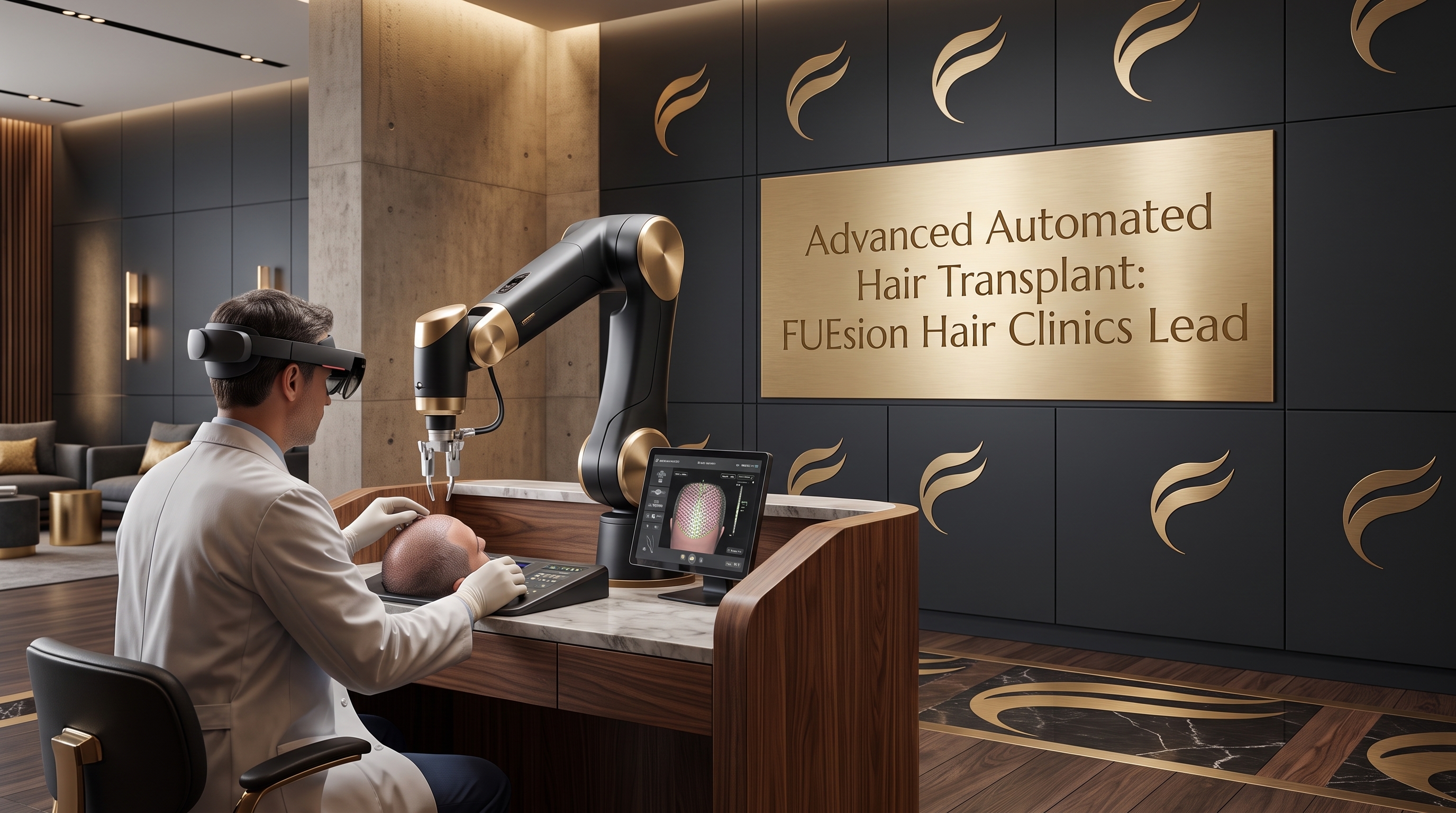
As the demand for minimally invasive and natural-looking hair restoration increases, FUE hair transplant 2026 has become a phrase clinicians and patients use to describe the latest generation of follicular unit extraction techniques. The 2026 evolution focuses on higher graft survival, faster recovery, AI-assisted planning, and improved donor-area management. Patients want predictable results that fit their lifestyle, and 2026 brings refinements that deliver on those needs.
Key technological breakthroughs
Major themes in the 2026 era include:
- Robotic and AI-assisted graft harvesting for precision and consistency.
- Improved graft storage media and handling protocols that increase follicle survival.
- Refined surgical instruments that minimize tissue trauma.
- Personalized planning tools, including hairline simulation and density calculators.
Why it’s different from earlier years
The term FUE hair transplant 2026 signals a shift from earlier techniques where manual extraction variability was higher. Today’s standard-of-care is an integrated approach combining human surgical skill with data-driven planning. That means better aesthetics, fewer revisions, and overall higher patient satisfaction.
Who Is a Good Candidate?
Understanding candidacy is essential to realistic expectations. FUE hair transplant 2026 remains suitable for many men and women, but candidacy depends on several clinical and lifestyle factors.
Medical and donor considerations
- Stable donor supply: Adequate hair density at the back and sides of the scalp is still the most important factor.
- Overall health: Patients should be free from uncontrolled medical conditions that impair healing.
- Age and progression: While age alone is not a barrier, realistic planning is necessary for younger patients with progressive hair loss.
Expectations and goals
Patients seeking natural hairlines, better density, and minimal scarring are ideal candidates for FUE hair transplant 2026. Those expecting instant, ultra-dense results in a single session may require staged procedures or adjunctive treatments such as PRP (platelet-rich plasma) or medical therapy.
Ready to take the next step?
Book a Free ConsultationStep-by-Step: The FUE Process in 2026
This section walks through a modern FUE hair transplant 2026 workflow, from consultation to the final photos.
1. Consultation and planning
Initial assessment uses high-resolution imaging, hairline simulation tools (see our Simulator), and donor-density measurement (you can try our Calculator for an estimate). Planning now often incorporates AI models that predict future hair loss patterns and suggest optimal graft allocation.
2. The day of surgery
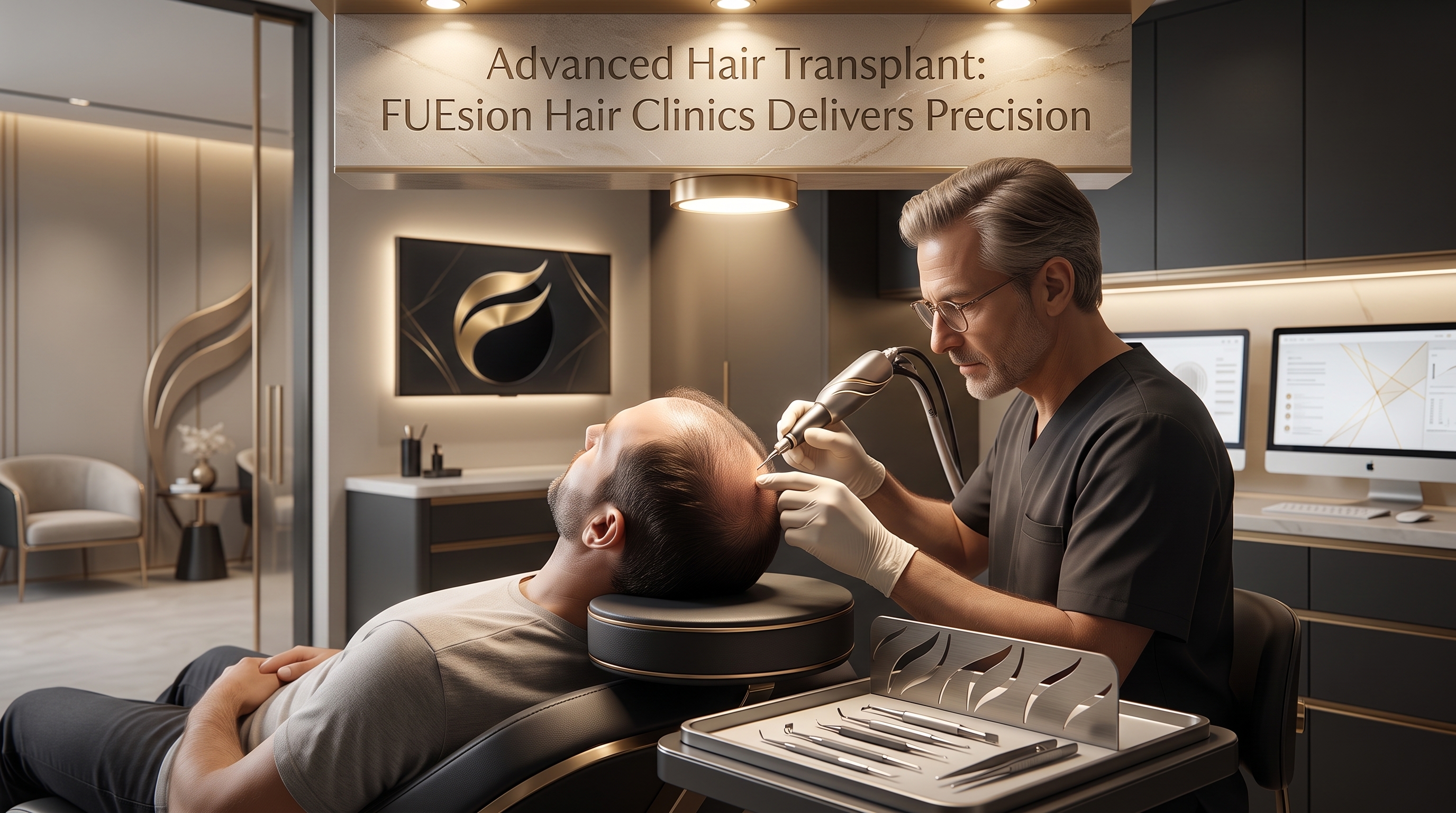
Modern clinics offer refined anesthesia protocols for comfort. The extraction is performed using motorized micro-punches or robotic systems with controlled depth and angulation to reduce transection.
For a clear description of the clinic's approach, learn about the specific FUE procedure we recommend.
3. Graft handling and implantation
In 2026, faster implantation techniques and improved graft hydration solutions increase survival. Surgeons use small, precisely angled recipient sites to mirror natural hair orientation and density.
4. Immediate post-op care
Patients receive detailed aftercare instructions, including head position, showering, and medication. Many clinics provide digital follow-up and telemedicine check-ins to monitor healing.
Recovery Timeline and Aftercare
Recovery remains a major concern. FUE hair transplant 2026 typically offers shorter downtime than older methodologies but adherence to aftercare is crucial for optimal results.
First 48–72 hours
- Minimal bleeding and crusting at recipient sites
- Mild swelling that resolves within days
- Sleep with head elevated and avoid strenuous activity
Week 1–4
Scabs fall away, and transplanted hairs may shed — this is normal. Maintaining recommended washing routines and following medication guidance supports graft survival.
Months 3–12
New hair growth begins around 3–4 months. Most patients see significant improvement by 9–12 months. The phrase FUE hair transplant 2026 reflects improvements in graft take and early growth rates thanks to optimized handling and adjunct therapies.
Want personalized advice?
Schedule Your AssessmentCost, Financing, and Value
Cost is a deciding factor for many considering FUE hair transplant 2026. Prices vary by clinic, geographic region, graft count, and adjunct treatments.
Typical pricing structure
Clinics may charge by graft, by session, or by the complexity of the plan. Expect a detailed quote after an in-person or virtual consultation. Use our consultation page to start a tailored estimate.
Financing and long-term value
Many clinics offer financing plans. While cost matters, prioritize value: experienced surgeons, transparent pricing, published outcomes, and strong aftercare reduce the likelihood of revisions and additional long-term expense. When researching, compare outcomes in our Gallery and read real patient experiences on Testimonials.
Choosing the Right Clinic in 2026
Choosing a clinic is the most important decision. For those exploring FUE hair transplant 2026, the decision criteria have expanded to include technological capability and evidence-based protocols.
Questions to ask during consultation
- How many FUE cases does the surgeon perform monthly?
- Do you use robotic or AI-assisted tools, and what is their role?
- Can I see before-and-after photos of patients with similar hair type?
- What is your complication and revision rate?
- What aftercare and assurances do you offer?
Review our Assurance and Technology pages for details about our protocols and equipment. You can also contact us directly through the Contact page to arrange a clinic tour or virtual consult.
Red flags to avoid
- Prices that seem too good to be true without clear disclosure of graft counts.
- High-pressure sales or guaranteed unrealistic density in a single session.
- Poorly documented outcomes or no transparent before-and-after documentation.
Trustworthy clinics provide clear terms; review their Terms and Privacy Policy if you have questions about data or payments.
See how we can help you
Get Started TodayAdjunct Treatments and Long-Term Maintenance
FUE hair transplant 2026 is often combined with medical therapy and regenerative adjuncts to protect native hair and accelerate results. A multi-modality plan increases overall satisfaction.
Common adjuncts
- Topical and oral medical therapy (e.g., finasteride, minoxidil)
- PRP or other biologic injections to stimulate early growth
- Low-level laser therapy (LLLT) and supportive supplements
Long-term planning
Because hair loss can progress, a staged approach and periodic reviews ensure long-term fullness. Discuss a maintenance plan during your initial visit, including follow-ups and possible revisions over time.
Real Patient Pathways
Patient journeys vary. Below are representative paths for different goals in FUE hair transplant 2026.
Case A: Early thinning in a 28-year-old male
Focus: conservative hairline restoration and medical therapy. Action: targeted FUE session with PRP and ongoing finasteride. Outcome: natural hairline, delayed progression.
Case B: Female pattern hair loss in a 42-year-old female
Focus: increased density in the frontal scalp and crown. Action: multi-session FUE with adjunct medical regimen. Outcome: improved density and cosmetic coverage, monitored with non-invasive imaging.
Clinic Experience: What to Expect at Our Center
Our clinic emphasizes evidence-based practice for FUE hair transplant 2026. From the first contact through recovery we provide transparent pricing, documented outcomes, and comprehensive aftercare. Explore our About page to meet the team and view clinic credentials, or find a location on our Locations page.
Frequently Asked Questions
How long does it take to see results after a FUE hair transplant 2026?
After a FUE hair transplant 2026, initial shedding is common in the first 4–8 weeks. Early regrowth often starts at 3–4 months, with most patients seeing noticeable improvement by 9–12 months. Advanced graft handling in 2026 tends to accelerate visible regrowth compared with older protocols.
Is scarring still a concern with FUE hair transplant 2026?
FUE leaves tiny dot scars that are usually inconspicuous and easily concealed with short hair. Innovations in punch size and extraction technique in 2026 reduce scarring further and preserve donor density.
Can women benefit from a FUE hair transplant 2026?
Yes. Women with stable localized thinning and adequate donor supply can benefit from FUE hair transplant 2026. A careful diagnostic workup is essential to rule out hormonal or medical causes before surgery.
What is the role of robotic systems in FUE hair transplant 2026?
Robotic and AI-assisted systems improve consistency in extraction angle and depth, reducing transection and optimizing graft yield. They are a tool — not a substitute — for experienced surgical planning and artistry.
How do I get started with an assessment?
Begin with a consultation. You can use our online Consultation form or schedule a visit. We also provide a Simulator to preview potential outcomes and a Calculator to estimate graft needs and costs.
Conclusion
FUE hair transplant 2026 represents an important milestone in hair restoration. With improved technology, graft handling, and individualized planning, patients in 2026 can expect more reliable results and faster recovery than in previous years. Choosing an experienced clinic that combines surgical skill, modern technology, and transparent care is essential. If you are considering options, review our resources, visit the Gallery, read real patient stories on Testimonials, and when ready Book Consultation.
For a technical overview of the specific technique we recommend, read about our FUE procedure and contact us to discuss personalized options.
Note: Individual results vary. This article is informational and not a substitute for a medical consultation. Always consult a qualified clinician to establish suitability for surgery.


Medical Information Disclaimer
This content is provided for general educational purposes only. It is not a substitute for professional advice, diagnosis, or treatment. Readers are advised to consult qualified professionals for personalized recommendations.
Have questions? We have answers.
Speak With an Expert