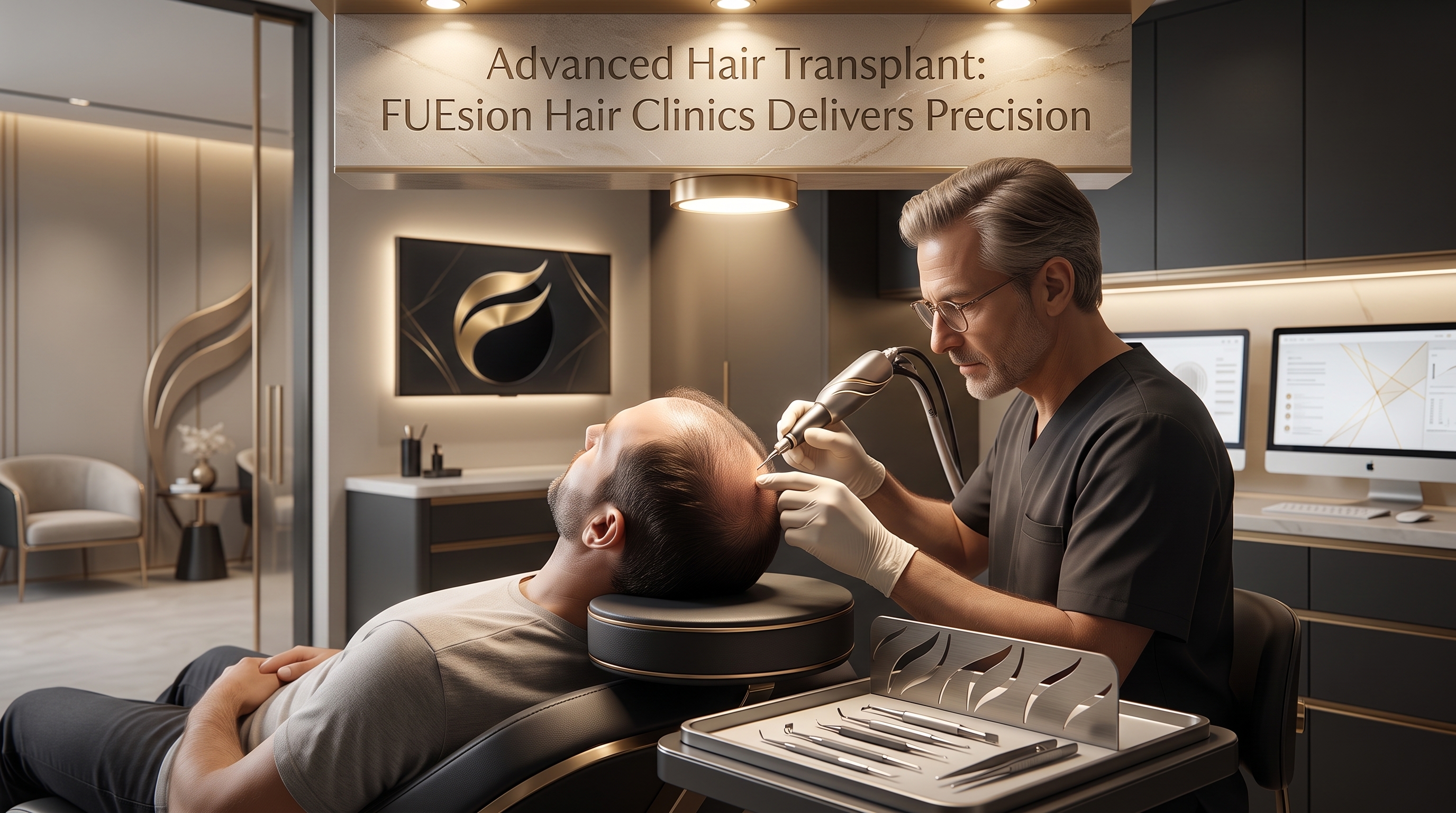

Female hair transplant success rate is the single metric most patients search for when considering hair restoration, and with good reason: outcomes determine not only appearance but confidence and quality of life. In this article you'll learn what the reported female hair transplant success rate really means, which clinical and personal factors most strongly influence results, and practical steps you can take before and after the procedure to maximize your chances of a successful outcome. By separating evidence from marketing and offering actionable advice, this guide will help you evaluate clinics and set realistic expectations.
The conversation around the female hair transplant success rate often blends data, patient stories, and clinic claims. That mix can be confusing unless you know how to read the studies, understand the variability between techniques like FUE and FUT, and weigh surgeon experience and aftercare. Read on for a clear breakdown of the numbers, expert insights, and resources — including how to preview potential results with our simulator — so you can make an informed choice.
Understanding the Numbers: What the Female Hair Transplant Success Rate Means
When clinics publish a female hair transplant success rate, they are usually referring to graft survival or patient satisfaction. Graft survival measures how many transplanted follicles remain viable and produce hair after the healing window, while satisfaction captures the patient's perception of density, naturalness, and cosmetic outcome. Both metrics matter, but they are not interchangeable: a high graft survival rate does not guarantee high satisfaction if hairline design or expectations are misaligned.
Reported success rates can vary widely — from around 80% to over 95% in experienced hands — depending on how success is defined, the patient population, and the surgical technique. Studies that measure survival at six months may report lower numbers than those that evaluate growth at 12–18 months, because transplanted follicles often continue maturing throughout the first year. It’s important to ask clinics whether their published success numbers refer to short-term survival, long-term growth, or patient satisfaction scores.
Another consideration is selection bias. Clinics that report very high success rates may have more conservative patient selection or more experienced surgeons, while other programs may take complex cases with inherently lower success probabilities. For practical comparison, always ask for before-and-after photos, and corroborate claims by checking independent sources like patient reviews and third-party galleries. You can also visit the gallery to view examples of outcomes from a range of cases.
Key Factors That Influence Female Hair Transplant Success Rate
Multiple variables influence the female hair transplant success rate, and understanding them helps you maximize your chances. The first major factor is donor hair quality: denser, healthier follicles in the donor zone yield better take and more natural coverage. Women often have diffuse thinning, which can reduce donor density and make strategic planning critical. An experienced surgeon will evaluate donor reserve and advise whether a transplant alone can achieve your goals or if alternative treatments should be combined.
Technique is another determiner. Follicular Unit Excision (FUE) and strip harvesting (FUT) each have strengths and trade-offs. FUE often offers faster healing and less linear scarring, which can be important for women who wear their hair short, while FUT can deliver higher graft counts in a single session for suitable candidates. Both procedures can produce high female hair transplant success rate numbers when performed by a skilled team, but the right choice depends on anatomy, lifestyle, and long-term planning.
Surgeon skill, team coordination, and graft handling protocols are also central to outcomes. Small differences in extraction angle, graft storage, and insertion technique can change survival numbers significantly. Choose a clinic that documents its protocols and outcomes and offers a clear post-operative plan. For a candid discussion about technique and candidacy, book a detailed evaluation through our consultation page.
Ready to take the next step?
Book a Free ConsultationImproving Your Odds: Pre-op and Post-op Steps to Boost Success
Actively managing modifiable factors before and after surgery can meaningfully raise your personal female hair transplant success rate. Pre-operatively, optimizing general health — including nutrition, smoking cessation, and stabilization of any underlying medical causes of hair loss — helps follicles tolerate surgical harvesting and implantation. Hormonal imbalances, thyroid disease, and certain autoimmune conditions should be evaluated and treated where necessary to improve both procedural candidacy and long-term hair health.
Immediate post-op care is equally important. Proper wound care, sleeping position, and activity restrictions reduce graft disturbance during the vulnerable initial healing phase. Many clinics provide a written regimen covering cleansing, topical agents, and follow-up timelines; adherence to this guidance correlates strongly with higher measured success. If you have questions about your specific aftercare plan, our assurance resources explain standard expectations and troubleshooting tips.
A short checklist of actions that improve success includes:
- Completing baseline tests to identify reversible causes of hair loss
- Following pre-op instructions on medications and supplements
- Using recommended topical or medical therapies (where appropriate) to stabilize surrounding hair
- Attending scheduled post-op reviews so problems are caught early
Combining surgery with adjuvant therapies like platelet-rich plasma (PRP) or medical treatment can also increase the female hair transplant success rate by improving graft take and stimulating native hair. Discuss combined approaches during your pre-op consult, and review patient case studies in our services and technology sections to understand how adjuncts are applied in practice.
Choosing the Right Clinic: Questions to Ask About Success Rates
Choosing a clinic affects your female hair transplant success rate as much as any surgical variable, if not more. Begin by asking for objective outcome data and detailed before-and-after photos from patients with similar hair characteristics to your own. A credible clinic will explain how it measures success, whether they track survival rates at 12 months, and how they follow up with patients. If the clinic cannot provide clear outcome metrics or only offers selective testimonials, treat claims with caution.
Insist on meeting or speaking with the surgeon who will perform the procedure rather than a sales representative. Ask about the team’s experience and request examples of complications and how they were managed. Review independent patient feedback in the testimonials section and consider calling to speak with former patients where possible. Transparency about complication rates and re-intervention statistics is a hallmark of trustworthy providers and correlates with more reliable reported female hair transplant success rate figures.
“Real success is a combination of measurable graft survival and the patient’s sense that the outcome matches their expectations. Both must be assessed before you commit.”
Also evaluate logistical and postoperative support: how many follow-up visits are included, what is the contingency plan for poor growth, and whether the clinic offers revision options. Clinics with robust post-op pathways and documented corrective strategies tend to report sustainable female hair transplant success rate outcomes because complications are managed proactively. For clarification about what to expect during your visits, review the practical patient pathway on our contact page and in the patient assurance materials.
Want personalized advice?
Schedule Your AssessmentReal Patient Outcomes and How to Interpret Results
Translating raw numbers into real-world expectations requires context. A 90% graft survival rate sounds excellent, but if the transplanted area was small relative to the thinning expected, the cosmetic improvement may still be modest. Conversely, a 85% survival rate in a dense donor area can produce a dramatic and satisfying result. When assessing outcomes, focus on how much visible coverage and hairline naturalness were achieved rather than a single percentage figure.
Reviewing patient galleries and reading balanced testimonials helps you interpret claims about the female hair transplant success rate in context. Look for cases that match your hair texture, density, and pattern of loss. Ask to see results at multiple post-op time points — for example, 6 months, 12 months, and 18 months — to understand the timeline of growth and maturation. Our gallery and testimonials pages feature a range of timelines and candid patient statements that illustrate typical progress.
To make an informed decision, use tools that let you visualize potential outcomes before committing. Try our simulator to preview likely improvements and set realistic expectations about coverage and hairline design. Seeing an evidence-based projection can reduce uncertainty and improve satisfaction after surgery, because you and your surgeon will share the same visual goals. Start that process now by clicking the simulator link below.
Female Hair Transplant is a service many women find life-changing, and understanding the typical female hair transplant success rate is the first step toward choosing a plan tailored to your needs. For a personalized visualization, try the interactive option:
See your potential results before you commit.
“When patients can preview their likely outcome, satisfaction rises because expectations align with medical reality.”
Finally, interpret success through both objective growth and subjective satisfaction. Talk openly with your surgeon about what a successful result looks like for you, and ensure follow-up pathways are clear. Clinics that combine transparent metrics, patient education, and strong post-op support consistently report the most reliable female hair transplant success rate outcomes.
Conclusion
Understanding the female hair transplant success rate requires more than reading a single percentage: it demands context about definitions, timing, and the clinic’s methodology. Key determinants include donor quality, surgical technique, surgeon experience, and diligent pre-op and post-op care. By asking detailed questions about outcome measurement, viewing comparable case galleries, and using tools like a simulator to align expectations, you materially increase the likelihood of a satisfying result.
If you’re considering a hair transplant, start with a thorough consultation and review of documented outcomes. Explore our services to learn which options fit your pattern of loss, check patient stories on our testimonials page, and use the simulator to preview realistic improvements. When you’re ready, schedule a consultation; the right planning and team produce the best long-term female hair transplant success rate for each individual.
See your potential results before you commit.
Medical Information Disclaimer
This content is provided for general educational purposes only. It is not a substitute for professional advice, diagnosis, or treatment. Readers are advised to consult qualified professionals for personalized recommendations.
See how we can help you
Get Started Today