Female hair transplant recovery time is one of the top questions patients ask when they consider restorative hair procedures, and for good reason: knowing the timeline helps set realistic expectations and eases anxiety before and after surgery. In this guide you will learn a clear, practical timeline for healing, what to expect day by day for the first two weeks and month by month afterward, and evidence-based tips to support faster recovery and better outcomes. Whether you are researching follicular unit extraction or planning a consultation, understanding female hair transplant recovery time helps you prepare work, social commitments, and realistic self-care plans so that recovery is smooth and predictable.
We will cover immediate post-op care, common sensations and signs of healthy healing, practical do's and don'ts during the first week and first month, and targeted strategies to minimize scabbing, swelling, and infection risk. You will also find guidance on when you can return to exercise, styling, and coloring, and how to read early regrowth signals that indicate success. This article includes links to our services page for procedure options, our testimonials for real patient experiences, and a simulation tool that lets you visualize results before committing.
Throughout this guide we’ll reference common patient scenarios and expert tips to reduce complications and speed recovery. If you want a quick preview of potential outcomes, try the simulator and then schedule a conversation via our contact page; that step often helps patients feel more confident about the timeline and the recovery process for female hair transplant recovery time.
First 48 hours: immediate recovery and what to expect
The first 48 hours after a hair transplant set the tone for the entire healing process, and understanding what is normal during this window is essential for a smooth recovery. Immediately after surgery most patients experience mild bleeding from the donor and recipient sites, tenderness, and a feeling of tightness across the scalp; these symptoms are typical and usually well controlled with prescribed analgesics and cold compresses. During this period, following your surgeon's written post-operative instructions is the single most important action you can take to protect grafts and limit irritation, and many centers include a brief in-person review or a follow-up call within 24–48 hours to confirm that initial healing is progressing normally and that there are no signs of infection or excessive swelling.
For women specifically, managing expectations around swelling, contact with hair, and sleep position is important because the female hairline often requires careful placement and protection of fine grafts. You should sleep with your head elevated and avoid direct pressure on graft areas; this simple change helps reduce swelling and promotes graft adherence during the critical first day. If you notice unusual redness spreading beyond the recipient zone, persistent fever, or severe localized pain that doesn't respond to medication, contact your clinic immediately via the contact page to ensure prompt evaluation and care, as these can be early signs of an infection or other complication that requires attention.
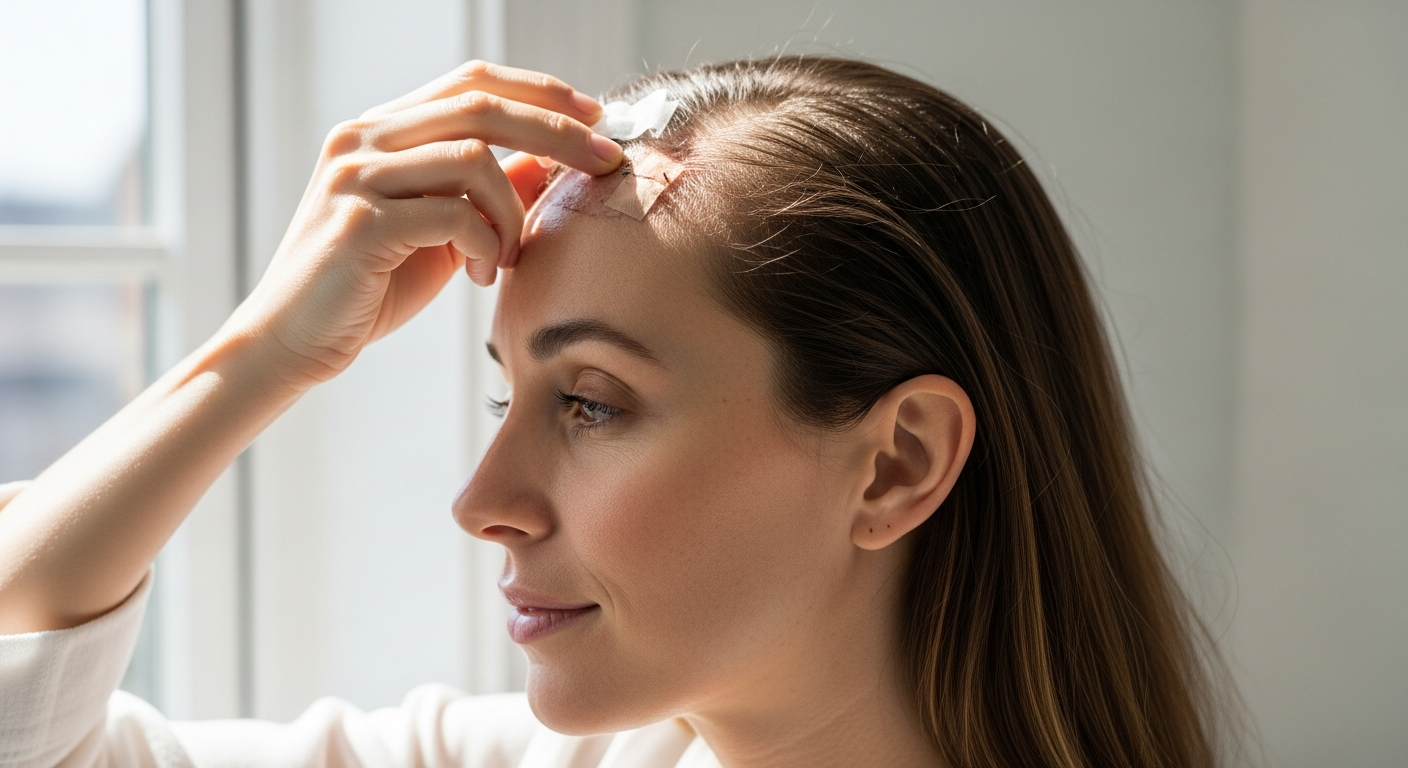
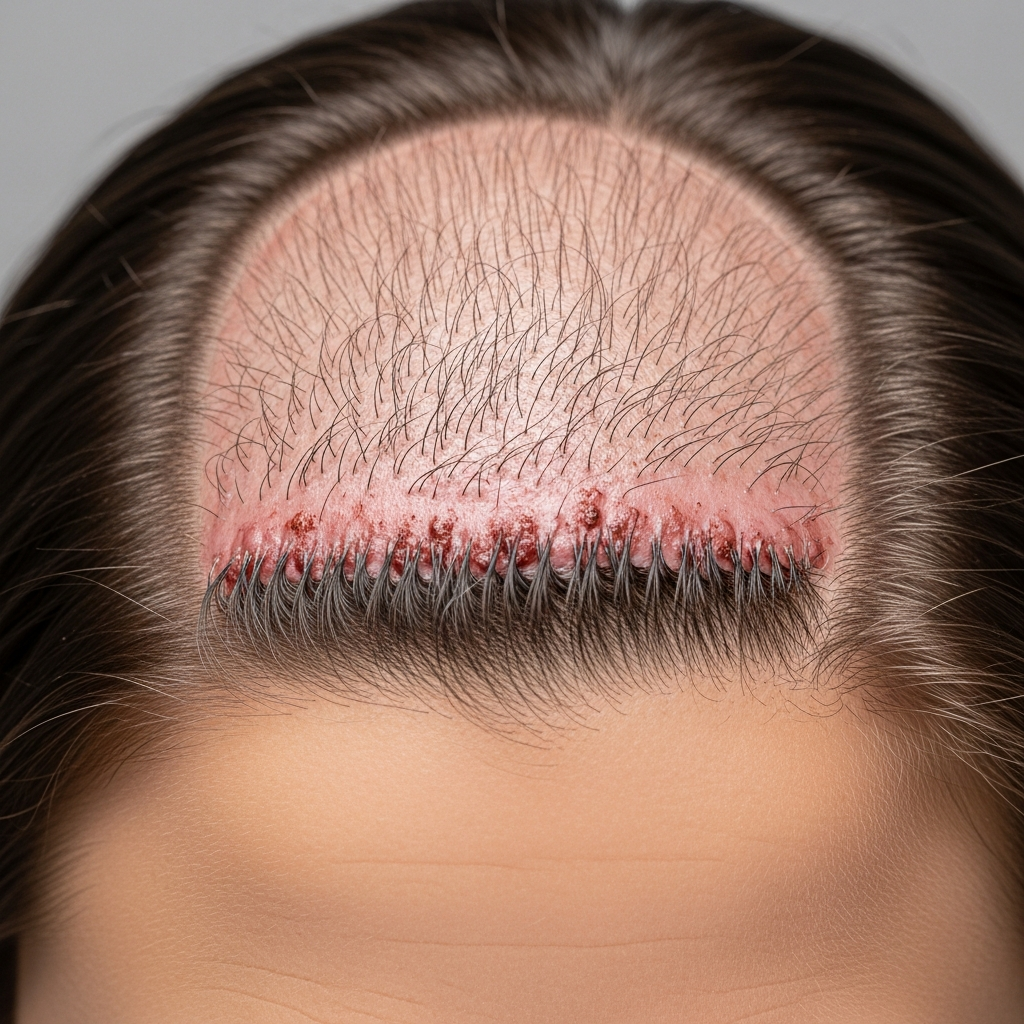
Within 48 hours most crusts begin to form and small scabs can be expected in the recipient area; these scabs are a normal part of the process and indicate the grafts are healing into their new sites. Avoid picking or scratching the scabs — doing so can dislodge grafts and prolong female hair transplant recovery time — and continue to follow the cleansing routine your surgeon prescribes, which typically includes gentle saline rinses or a physician-approved shampoo after the first day. Many patients find reassurance by reviewing aftercare resources on the clinic's assurance page and by asking about photography-based follow-up so the team can track healing objectively.
Days 3–14: scabbing, tenderness, and early care routines
Between day three and two weeks you enter the most visually noticeable phase of healing where scabs, mild crusting, numbness, and temporary hair shedding are common and normal parts of the timeline. For most women, scabs will begin to dry and detach naturally between days 7 and 14, and you should continue the gentle cleansing routine advised by your surgeon; vigorous rubbing, heat-based styling tools, and chemical treatments should be avoided during this window to keep the newly placed grafts safe. Sedentary habits and avoiding heavy physical activity are typically recommended until after the second week, but light walking and normal daily activities are encouraged to promote circulation and overall wellbeing without risking graft trauma.
It is during these two weeks that many patients worry about shock loss: a temporary shedding of existing hair around the transplanted area which can feel alarming even though it is usually reversible. Open conversations with your surgeon about shock loss, expected timelines, and the realistic appearance you’ll have during the early stages can alleviate anxiety and help you make informed decisions about coverings, hats, or styling to feel confident in public. For specific examples and experiences, the testimonials gallery is a helpful resource where many patients share photos and discuss their personal experiences with female hair transplant recovery time.
Management of discomfort typically involves short-term analgesics and adjunct measures like cold packs for swelling reduction; antibiotics or topical antimicrobials may be prescribed to lower infection risk according to the clinic’s protocol. If you notice persistent drainage, rapidly enlarging redness, or worsening pain, seek attention through the clinic’s contact options — these signs warrant prompt evaluation. Remember that patience and consistent adherence to aftercare reduce complications and are among the most effective steps to shorten the total female hair transplant recovery time while optimizing graft survival and long-term cosmetic results.
Ready to take the next step?
Book a Free ConsultationWeeks 3–8: shedding, regeneration, and realistic expectations
Weeks three through eight represent a transitional phase where the initial scabs have typically resolved and the transplanted hairs go through a predictable shedding process before regrowth begins. This shedding, often called telogen effluvium in the context of transplantation, is a normal biologic response and not a sign of procedure failure; hair shafts detach while the follicles remain intact and shift into a resting phase, after which new anagen (growth) cycles will begin over the coming months. Understanding that female hair transplant recovery time includes this shedding phase helps set realistic expectations: while it may be discouraging to lose the visible grafts, the follicular units themselves are preparing to produce renewed hair that will often be thicker and better positioned.
During this period, follow-up visits are usually scheduled to assess wound healing and discuss topical or systemic therapies that can support regrowth, such as prescribed minoxidil or nutraceutical recommendations tailored to women. It’s prudent to avoid aggressive styling and tight hairstyles that can place traction on vulnerable follicles; gentle handling and low-heat drying protect the scalp and individual grafts as they progress toward the growth phase. If you’re tracking your timeline with photos, this is a great time to compare baseline images with monthly updates to document the gradual progression and to consult the clinic’s gallery for typical growth patterns and honest before-and-after sequences.
Some women also experience temporary numbness, itching, or irregular pigmentation in treated areas during weeks three to eight; these sensory changes usually resolve gradually and should be discussed at your follow-up if they persist. In cases where growth seems delayed beyond the typical window, your team may recommend a mid-course review to confirm graft survival and rule out modifiable factors such as nutritional deficits or medication interactions. Each of these steps contributes to a reliable understanding of overall female hair transplant recovery time and supports a steady, visible return of hair density over the next months.
Months 3–6: visible regrowth and life coming back into routine
Between three and six months post-op most patients begin to see consistent, visible regrowth from the transplanted follicles and the recovery journey shifts from protective care to maintenance and aesthetic fine-tuning. Regrowth patterns vary, but many women notice finer hair at first that thickens over the course of the sixth and ninth months; patience and realistic expectations are important here because significant cosmetic improvement often takes time and progresses incrementally. At this stage you can generally resume most normal activities including moderate exercise, salon visits, and controlled hair coloring, but it is wise to follow any specific timing and product recommendations provided by your surgeon to avoid irritation or premature trauma to the recovering scalp.
Patients are frequently eager to return to their pre-op routines; however, the conservative advice often includes maintaining sun protection, using gentle hair products, and avoiding harsh chemical treatments for a period recommended by the provider. This timeframe is also when you may decide to add supportive therapies such as low-level laser therapy or platelet-rich plasma under professional guidance to complement regrowth if clinically appropriate. Regular check-ins with your clinic provide reassurance and allow for adjustments; consult the consultation resources if you have questions about whether additional in-clinic procedures or topical regimens are right for you.
By month six many women report a noticeable improvement in hair volume and styling options, which translates into restored confidence and fewer restrictions in daily life. If any areas appear to have less density than expected, your surgical team will review outcomes and discuss realistic steps — including revision strategies — to reach the desired result. Keeping an open line to support channels such as the about page’s team profiles and follow-up systems helps manage expectations and keeps recovery aligned with your aesthetic goals for female hair transplant recovery time.
Want personalized advice?
Schedule Your AssessmentMonths 7–12 and beyond: final results, maintenance, and long-term care
From month seven through a year after surgery the transplanted follicles normally enter a steady growth phase and approach the final cosmetic outcome, although individual timelines can vary and some refinement may continue beyond 12 months. At this point most women experience substantial restoration of hair density, improved styling control, and fewer limitations in day-to-day grooming and exercise; continued adherence to maintenance therapies as recommended by your surgeon can support long-term retention and hair health. It is also the right time to discuss any additional cosmetic adjustments or secondary sessions if density goals were not completely achieved in the initial procedure, and these conversations should reflect realistic expectations based on hair characteristics and donor supply.
Long-term care includes sensible scalp hygiene, sun protection, and sometimes lifelong topical or oral therapies to maintain native hair and protect new grafts from progressive thinning. Routine yearly or biennial check-ins with your clinic offer an opportunity to monitor progress, assess for age-related hair changes, and consider supportive treatments if new thinning emerges. If you want a tangible preview of what to expect at the 6–12 month marks, use the online tools such as the simulator to visualize potential outcomes and discuss them during a follow-up appointment via the consultation portal.
“Recovery is a process, not an event — understanding the phases of healing makes the timeline manageable and empowers you to support the best possible outcome.”
Ultimately, by a year most patients are comfortable with their appearance and have a clear sense of the long-term maintenance plan that will preserve their results. If at any point you need support, remember the clinic’s resources including the contact page and follow-up services; proactive communication shortens problem-solving time and protects your investment in hair restoration and your overall wellbeing.
Practical tips to speed healing and reduce complications
There are evidence-backed strategies you can follow to optimize healing and minimize the length of female hair transplant recovery time, and most begin before your procedure. Pre-operative measures such as avoiding smoking, optimizing nutrition (iron and vitamin D levels are commonly assessed in women), and discussing medications with your surgeon help create the best biological environment for graft survival. Planning practical supports for the first 48–72 hours — someone to help with errands, arranging comfortable sleep positioning, and preparing gentle shampoo and pillow protection — reduces stress and decreases the likelihood of accidental graft disturbance.
After surgery, disciplined avoidance of certain activities speeds recovery: refrain from heavy lifting, high-impact exercise, and swimming in chlorinated pools for the period recommended by your provider. Use prescribed medications and follow-up cleanses exactly as directed, and schedule follow-ups to allow your surgical team to assess healing and intervene early if needed. For examples of how patients have planned for recovery logistics and return to work, our testimonials and gallery include practical stories and images that many find reassuring.
A few final practical recommendations include maintaining hydration, eating a protein-rich diet to support tissue repair, and protecting the scalp from sun exposure with hats or recommended sunscreens once the grafts have sufficiently anchored. If you are considering combining cosmetic treatments like PRP or topical therapies, coordinate timing carefully with your surgeon to ensure they support rather than hinder the standard healing phases and do not extend female hair transplant recovery time. For personalized advice, schedule a pre-procedure consultation where your team can tailor recommendations and set a recovery plan that suits your lifestyle via the consultation route.
“Small, consistent actions before and after surgery are the strongest predictors of a smooth recovery and a natural, lasting result.”
See how we can help you
Get Started TodayConclusion: realistic expectations and next steps
Understanding the phases of female hair transplant recovery time — immediate care, scabbing and shedding, early regrowth, and final maturation — gives you a reliable roadmap for planning and confidence. Recovery is predictable when you follow evidence-based aftercare, stay in close contact with your surgical team, and take sensible precautions about activity and hair care in the early weeks. If you’d like to visualize what the final result might look like before making decisions, try our simulator and then schedule a consultation to discuss personalized timing and expectations.
Recovery timelines vary by individual factors including age, hair characteristics, and overall health, so using trusted clinic resources and documented patient outcomes will help set accurate expectations. For next steps, review our service options on the services page, see real patient stories in testimonials, or reach out through contact to book a consultation. To preview your likely progression and see realistic outcomes, click the simulator below and then connect with the team to plan your path forward.
See your potential results before you commit.
Medical Information Disclaimer
This content is provided for general educational purposes only. It is not a substitute for professional advice, diagnosis, or treatment. Readers are advised to consult qualified professionals for personalized recommendations.
Have questions? We have answers.
Speak With an Expert