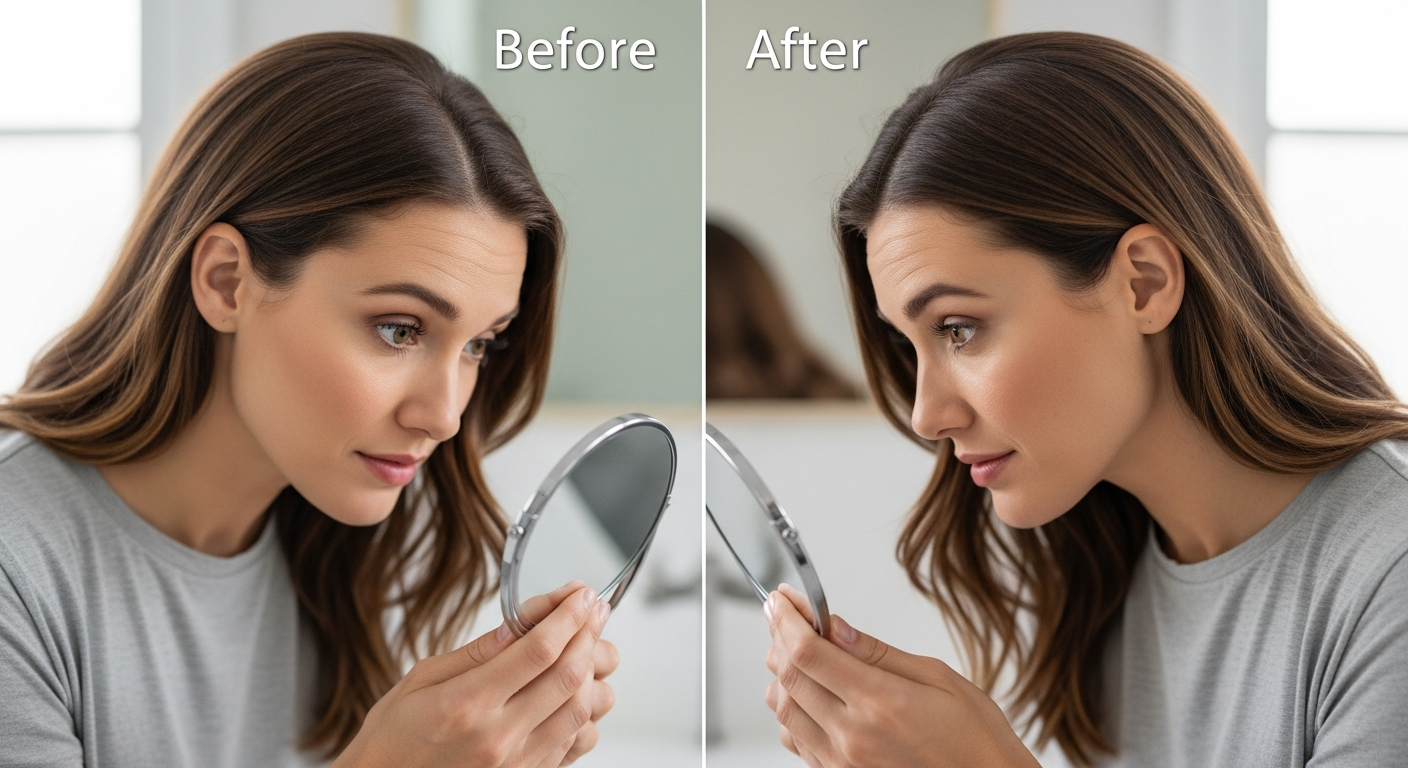
When you search for female hair transplant before and after images, what you’re really asking for is a reliable roadmap: what’s realistic, what’s surgical fact vs. myth, and how other patients navigated the journey. This guide pulls together clinical insight, patient-focused evaluation tips, and practical recovery expectations so you can judge results with confidence. By the end of this article you’ll know how to evaluate before-and-after photos, what realistic timelines look like, and how to prepare for a procedure tailored to women’s unique hair loss patterns.
Understanding the transformation captured in female hair transplant before and after photos begins with context: donor area quality, surgical technique, and post-op care all shape outcomes. We’ll walk through each stage — from candidacy and planning, through the FUE process most clinics use today, to interpreting the subtleties of growth at 3, 6, and 12 months. You’ll also find links to relevant clinic resources, including a practical consultation page and technology overview, so you can move from curiosity to clarity.
This article is grounded in practical tips and surgical realities rather than glossy sales claims. Expect evidence-led guidance on assessing galleries, questions to ask during your consultation, and the real recovery timeline after a female hair transplant. If you’re ready to visualize possible results, try the clinic simulator at the end of the article and take the next step with informed confidence.
Why Women Lose Hair — And What a Transplant Can Realistically Achieve
Female hair loss usually differs from male pattern baldness in distribution and underlying causes, and that difference matters when you’re interpreting female hair transplant before and after examples. Women often experience diffuse thinning, frontal recession, or a widening part rather than a clear crown bald spot; hormonal factors, genetics, medical issues, and medication side effects can all play a role. A transplant is not a universal fix for every cause of thinning — it’s most effective when thinning stems from stable donor hair and localized loss rather than widespread miniaturization.
When clinics present before-and-after galleries, look for clear information about diagnosis and technique. A responsible gallery will include candid timelines and descriptions of what was treated, not just dramatic headshots. The clinic’s services overview should explain whether they combine transplants with medical therapy like topical treatments or PRP to improve long-term retention; combining approaches often yields the most natural, durable outcome for women.
Understanding the limits of surgery helps set realistic expectations. A transplant can restore density and redesign a hairline, but it can’t change hair texture or produce donor hair where none exists. A well-documented set of female hair transplant before and after photos will include angles, lighting, and time markers so you can see progression rather than a single, optimized 'after' shot that may mislead.
How to Assess Female Hair Transplant Before and After Photos Accurately
Not all before-and-after photos are created equal. To evaluate them reliably, adopt a checklist mentality: consistent lighting, identical camera angles, documented time frames (3, 6, 12 months), and disclosure of any adjunct treatments. The best galleries explain the surgical technique used, the number of grafts, and the patient’s baseline — details that let you compare apples to apples. If a gallery lacks these details, ask the clinic for more context or look for another source.
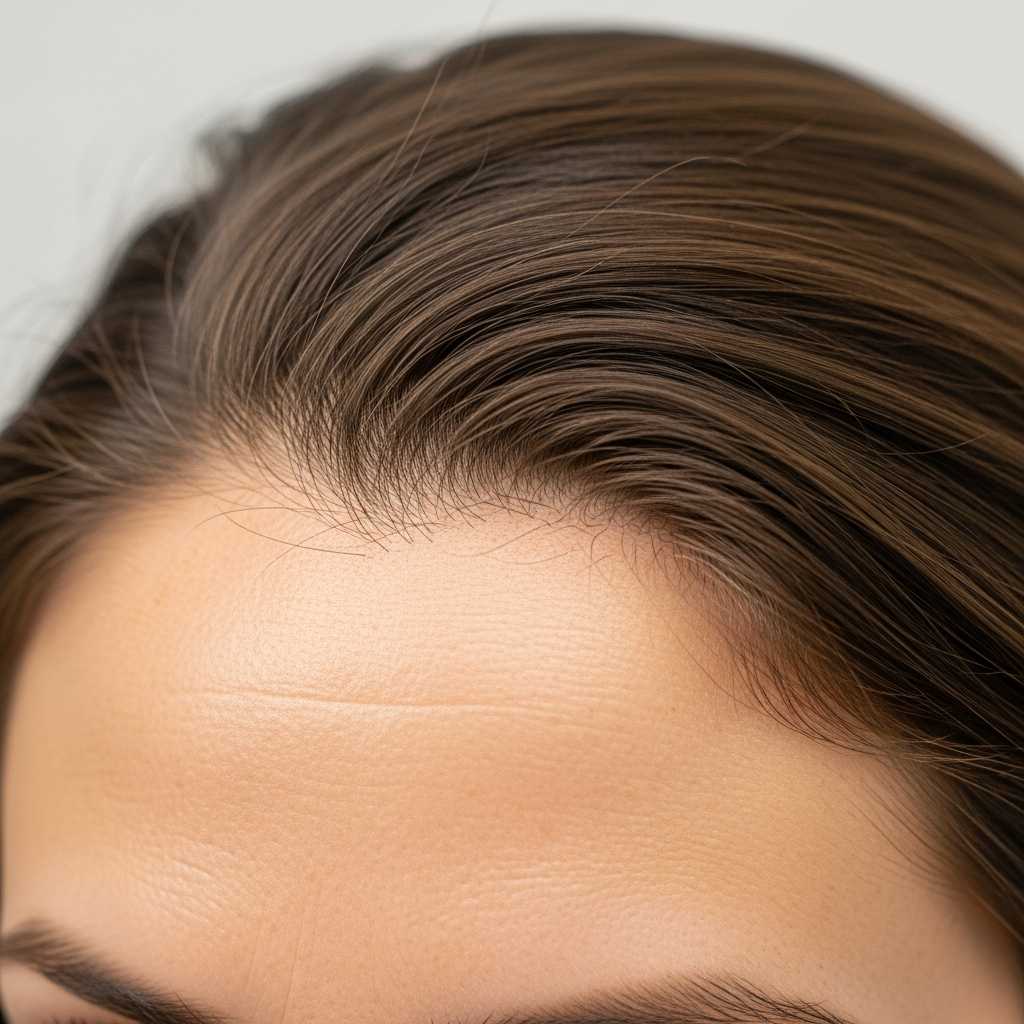
Small visual cues matter. Pay attention to hairline naturalness, graft placement density, and the way hair grows from the scalp — not just overall coverage. Genuine female hair transplant before and after comparisons will show gradual improvement over several months, with the most significant changes occurring between six and twelve months. Beware of images that appear heavily edited or that show sudden overnight transformations; those are often misleading.
One practical way to build confidence is to review a clinic’s documented cases in their gallery and compare similar baseline patterns to your own. When possible, request patient testimonials or speak with past patients to hear about recovery, timeline, and satisfaction firsthand. A clear demonstration of process and result is a stronger indicator of quality than any single flawless photograph.
“Before-and-after photos are a starting point, not a guarantee. Context — graft count, donor quality, and follow-up care — determines whether an image represents a typical result or an exceptional one.”
Ready to take the next step?
Book a Free ConsultationPreparing for a Female Hair Transplant: Candidacy, Planning, and Consultation
Preparation begins with a thorough medical assessment to identify causes of hair loss and evaluate donor area quality. A robust consultation will review your medical history, medication use, and expectations, and will include a scalp examination to determine if a transplant is appropriate. The clinic’s consultation page should describe the pre-op checklist and explain how they assess donor density — that assessment is central to realistic planning and influences the outcomes you’ll see in female hair transplant before and after sets.
Good planning also involves photographic documentation and a mapped treatment plan. Many clinics provide simulation tools and graft estimates, and they’ll discuss the trade-off between coverage and naturalness. When hair loss is diffuse, surgeons may recommend medical therapy first to stabilize shedding before committing to transplantation; combining modalities often produces more consistent, long-term results for women.
Ask targeted questions during your consultation: how many grafts are needed, what surgical method will be used, how many sessions may be required, and which adjunct therapies they recommend. You should also clarify expected timelines and possible complications. Transparency at this stage correlates strongly with satisfaction after you compare your own female hair transplant before and after progression to published cases.
Surgical Techniques: How Method Influences Your Before and After
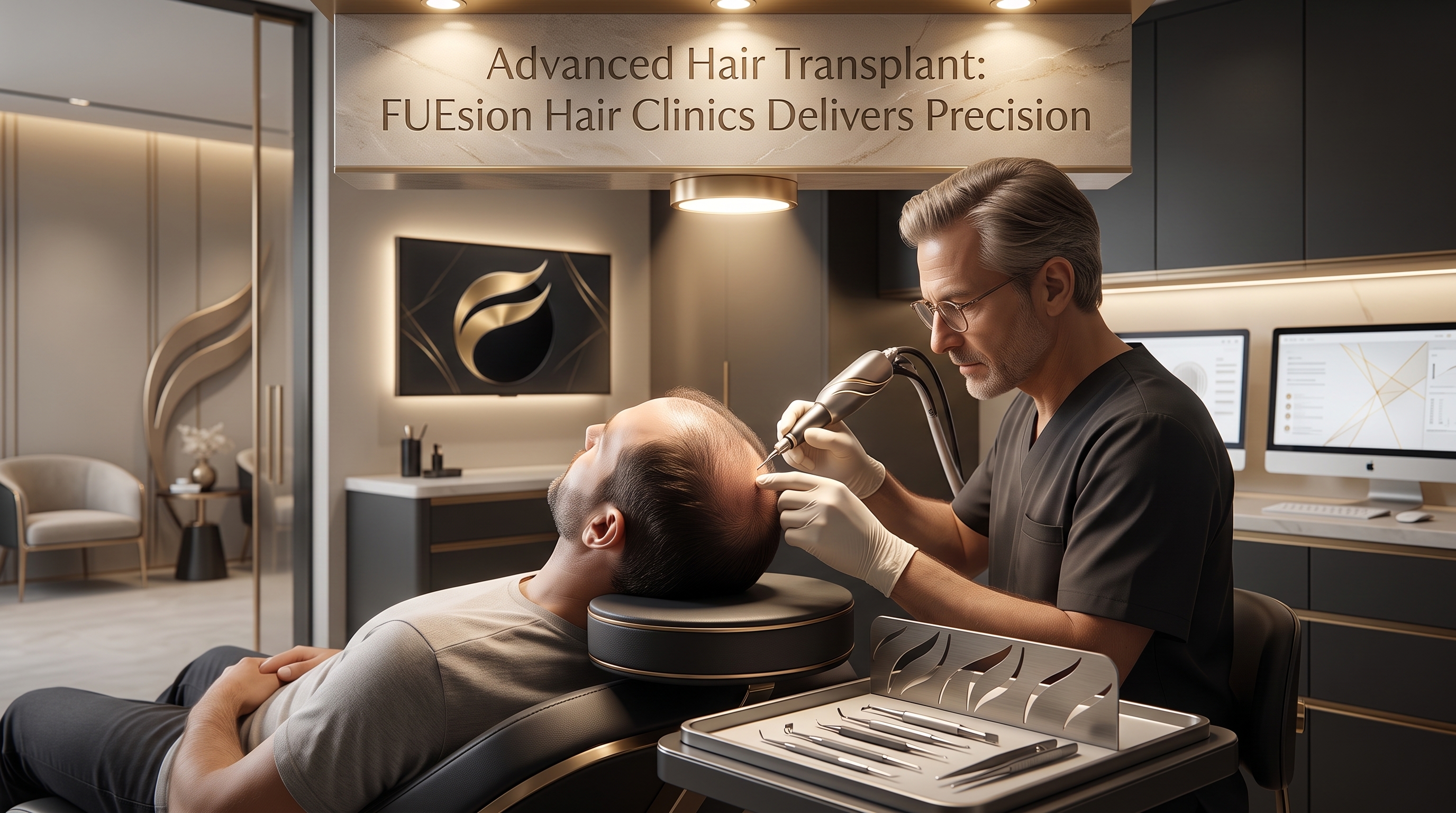
The most common contemporary approach is Follicular Unit Extraction (FUE), which harvests individual follicles and can minimize scarring and downtime compared with strip harvesting. For many women, FUE provides precise placement and angle control that’s essential for a natural hairline and diffuse coverage. When reviewing female hair transplant before and after photos, note whether images reference FUE or FUT; technique affects donor scarring, recovery, and sometimes long-term hair quality.
Different toolsets and technical nuances also produce varied results. High-magnification implantation and skilled follicle placement often create more natural density than bulk placement. Clinics that invest in training, electromechanical tools, or optical magnification tend to show more consistent outcomes in their galleries. The clinic’s technology page is a useful place to verify the equipment and methods they use.
Adjunct procedures and combined approaches
Transplants are often paired with platelet-rich plasma (PRP), low-level laser therapy, or medical regimens to enhance graft survival and optimize growth. These combinations can improve the quality and longevity of results, and they’re worth considering if you see complementary mention in credible female hair transplant before and after case studies. Discussing adjunct therapies with your surgeon will help you gauge whether any ‘after’ image benefitted from a package of treatments or relied on transplantation alone.
Finally, choose a surgeon experienced in female hairlines and female-specific patterns of loss. The subtleties of angle, density, and frontal softness are what separate surgical success from an unnatural result, and those subtleties should be evident when you study reliable before-and-after portfolios.
“Technique is important, but so is artistic judgement. The best surgical outcomes combine careful extraction with meticulous placement that respects female hairline aesthetics.”
Want personalized advice?
Schedule Your AssessmentRecovery, Timeline, and Interpreting Long-Term Results
Post-operative timelines are steady and predictable if you know what to expect: the first two weeks involve graft settling and crusting, months two to four often show shedding of transplanted hair (a normal phase), and visible new growth typically begins around month four to six. Most meaningful density appears between six and twelve months, with final maturation continuing up to 18 months in some cases. When comparing female hair transplant before and after photos, look for clear time-stamped images to understand which stage you’re viewing.
Recovery protocols emphasize gentle care: avoiding strenuous activity initially, using saline or clinic-recommended cleansers, and following precise instructions about sleeping position and scalp protection. Adherence to post-op care dramatically influences graft survival and the smoothness of your timeline. If a gallery shows dramatic early improvements without reference to a 6–12 month window, ask the clinic for long-term follow-up shots that demonstrate stability.
Long-term satisfaction involves more than immediate density. Maintenance often includes continued medical therapy, sun protection, and sometimes touch-up sessions to refine density or address future thinning. Reviewing patient stories on the clinic’s testimonials page can reveal whether outcomes remained consistent beyond the first anniversary, and whether patients felt the initial photos reflected long-term reality.
Choosing a Clinic and Taking the Next Step with Confidence
When you’re ready to move from research to action, select a clinic that provides transparent before-and-after documentation, clear consultations, and a supportive follow-up plan. Look for published case studies that include graft counts, timelines, and candid commentary about outcomes. The clinic’s assurance and patient care policies should explain what kind of post-op support and revision options are available, which is essential when you want predictable, authentic results rather than marketing optics.
If you want to preview your likely outcome before committing, use the clinic’s simulation tool to visualize potential change with realistic conservative estimates. For a hands-on next step, book a professional evaluation through the clinic’s contact or consultation pages so your surgeon can assess donor viability and propose a personalized plan. That structured approach — assessment, plan, transparent gallery review — is the same process that turns curated female hair transplant before and after images into trustworthy decision-making tools.
Ready to take the next step? Try a digital preview and then arrange a formal consultation to review graft estimates and timelines in person. You can also explore detailed case documentation in the clinic gallery to compare your baseline to patients with similar patterns and aesthetic goals.
Female Hair Transplant is a specialized service that many clinics highlight when discussing female-specific techniques and outcomes, and reading their service details will give you a solid sense of how they approach women’s cases differently. When you’re ready to see a tailored preview, use the simulator below to visualize how targeted graft placement may alter your part, density, or hairline.
See your potential results before you commit.
Comparing female hair transplant before and after photos is a valuable part of your research, but it must be paired with context: candid timelines, documented graft counts, and transparent technique descriptions. When you evaluate galleries with a checklist — consistent photos, honest timelines, and clear links to surgical methods — you’ll be better positioned to separate representative cases from marketing highlights. The most helpful galleries are those that supply enough detail for you to map a likely outcome to your own pattern of loss.
Take advantage of clinic resources like simulation tools and consultations, and don’t hesitate to ask for long-term follow-up photos or patient references. Your best decision will combine visual evidence with a thoughtful medical plan that includes stabilization therapy when appropriate. If you want to explore what’s possible, start with a simulation, review the clinic’s documented cases in their gallery, and book a consultation to get a graft estimate tailored to your needs.
If you’re ready to visualize your potential outcome now, use the simulator link above and arrange a professional evaluation through the clinic’s contact pathways. With transparent documentation and realistic expectations, the pathway from inquiry to outcome becomes far more predictable and empowering.
Medical Information Disclaimer
This content is provided for general educational purposes only. It is not a substitute for professional advice, diagnosis, or treatment. Readers are advised to consult qualified professionals for personalized recommendations.
See how we can help you
Get Started Today