Eyebrow hair growth treatment has become one of the most sought-after cosmetic concerns as people pursue natural, long-lasting ways to restore frame and expression to the face. Whether you lost brow density because of over-plucking, aging, hormonal changes, medical conditions, or genetics, contemporary options range from topical therapies and platelet-rich plasma to hair transplantation and advanced clinic protocols. This article unpacks the science, compares proven approaches, and guides you through choosing the right path so you can make an informed decision that fits your goals and lifestyle.
In the sections that follow you'll learn how clinicians evaluate candidates for eyebrow hair growth treatment, which interventions show the strongest evidence, what realistic timelines look like, and how to pair clinic-based therapies with at-home care for optimal outcomes. You will also find practical steps for vetting clinics, reading before-and-after photos, and using digital tools to preview results before committing. Throughout, I’ll link you to reputable clinic resources so you can explore services and real patient stories as you research your options.
Why brows thin: causes, goals, and realistic expectations
Understanding why brows thin is the first step toward choosing an effective eyebrow hair growth treatment. Hair loss in the eyebrow region may stem from simple behaviors—chronic over-plucking or harsh grooming—or from medical causes such as thyroid dysfunction, autoimmune conditions like alopecia areata, or side effects of medications. In many cases, the underlying biology involves shortened anagen (growth) phases or miniaturization of hair follicles, which means a restorative strategy must either lengthen the growth cycle or recruit new follicles to the area.
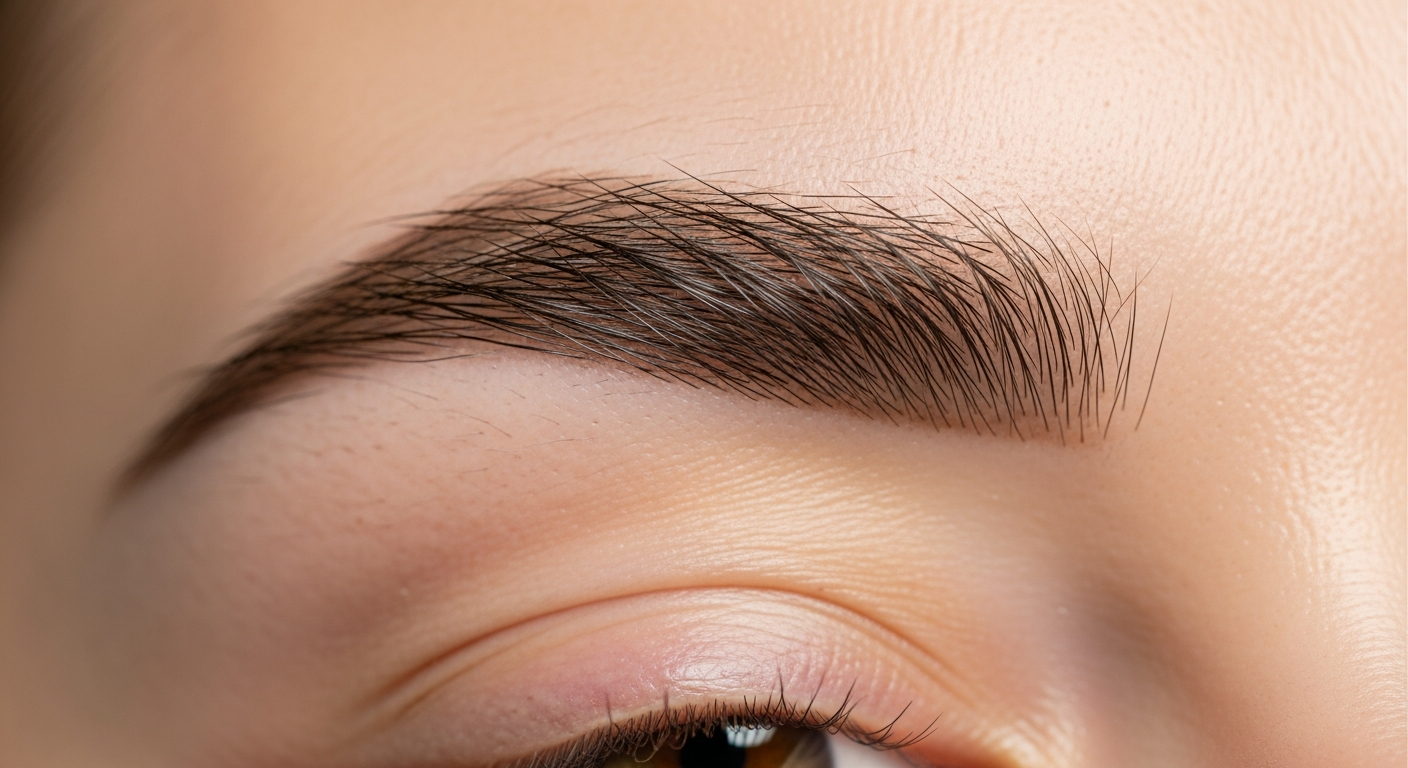
When you think about a realistic outcome, consider that eyebrow hairs are finer and have a different growth pattern than scalp hair. A successful eyebrow hair growth treatment will aim not only to increase density but to improve hair caliber and correct direction so the brows look natural. Many patients want fuller brows without looking overdone, and treatment choice should reflect that subtle aesthetic goal. Begin with a clinical evaluation to rule out reversible medical causes; clinics that publish transparent diagnostic protocols and offer an initial consultation can save time and money.
Clinics that publish patient pathways and clear service descriptions often include a multi-step plan: diagnosis, conservative interventions (like medication or topical growth enhancers), and procedural options when necessary. If you’re exploring clinic-based care, review gallery photos and patient testimonials to confirm the practice’s approach aligns with your expectations. For more information on available services, see the clinic's overview of their services and diagnostic pathways to better understand your options.
Evidence-based treatments: what works and when
Evidence supports several approaches to eyebrow hair growth treatment, and choosing between them depends on cause, severity, and patient preference. Topical therapies, such as prostaglandin analogs, have the strongest randomized evidence for stimulating eyebrow hair growth in many patients. Prescription topical agents can lengthen the anagen phase, leading to thicker, darker hairs over a period of months. These treatments are often first-line because they are minimally invasive and reversible; however, they require consistent application and clinical supervision for safety and optimal results.
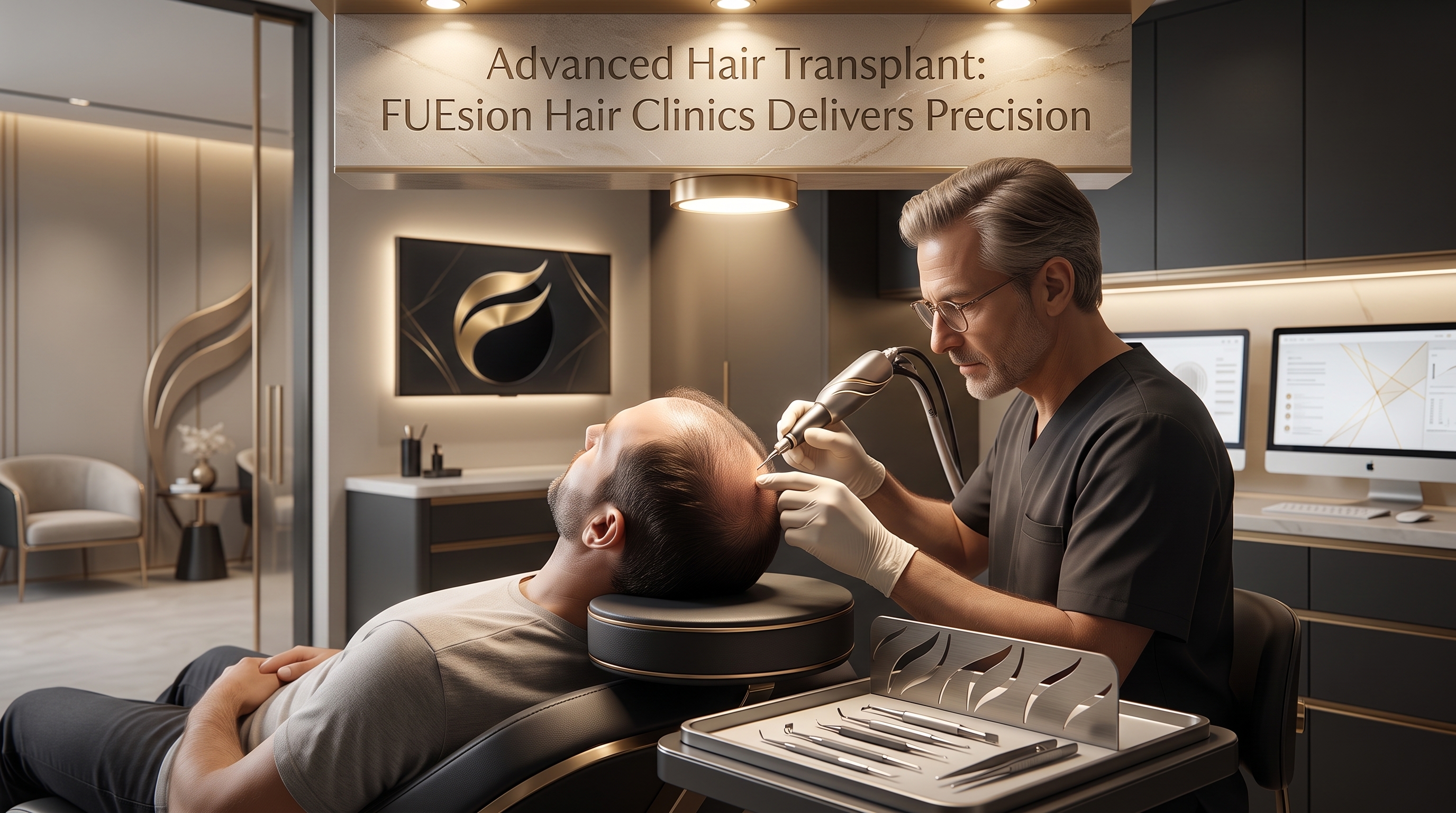
Procedural options include platelet-rich plasma (PRP) injections and follicular unit extraction (FUE) eyebrow transplantation. PRP leverages growth factors concentrated from your own blood to stimulate dormant follicles and improve hair quality; controlled studies and clinical series report meaningful improvement in density and hair caliber after a series of sessions. Where follicle count is irreversibly depleted or scarring is present, an eyebrow hair growth treatment by transplant—moving healthy donor follicles into the brow—produces predictable, permanent results. Skilled surgeons design the hairline, angle, and density to preserve natural direction and lay.
Non-permanent cosmetic options—such as microblading and tinting—can mask thinning and provide immediate visual improvements, but they do not promote true hair regrowth. Many patients combine temporary camouflage with active regrowth measures for the best composite outcome. If you are considering procedural interventions, review case galleries and technical descriptions under the clinic’s technology and techniques pages to understand their equipment, PRP protocols, and transplant approach.
“Successful eyebrow restoration begins with accurate diagnosis. Misattributing medical hair loss to simple age-related thinning leads to delayed or ineffective treatment.” — Clinical Director
Ready to take the next step?
Book a Free ConsultationChoosing a clinic and building your treatment plan
Choosing a clinic is as important as choosing a specific eyebrow hair growth treatment. Look for transparent processes: pre-treatment assessment, medical history review, photographic documentation, and a written plan that outlines expected staging and possible adjuncts. A reputable clinic will discuss all options—topicals, PRP, transplantation—and tailor recommendations to your lifestyle and tolerance for downtime. Before committing, review patient testimonials and long-form case studies to see how the clinic handles complications and touch-ups.
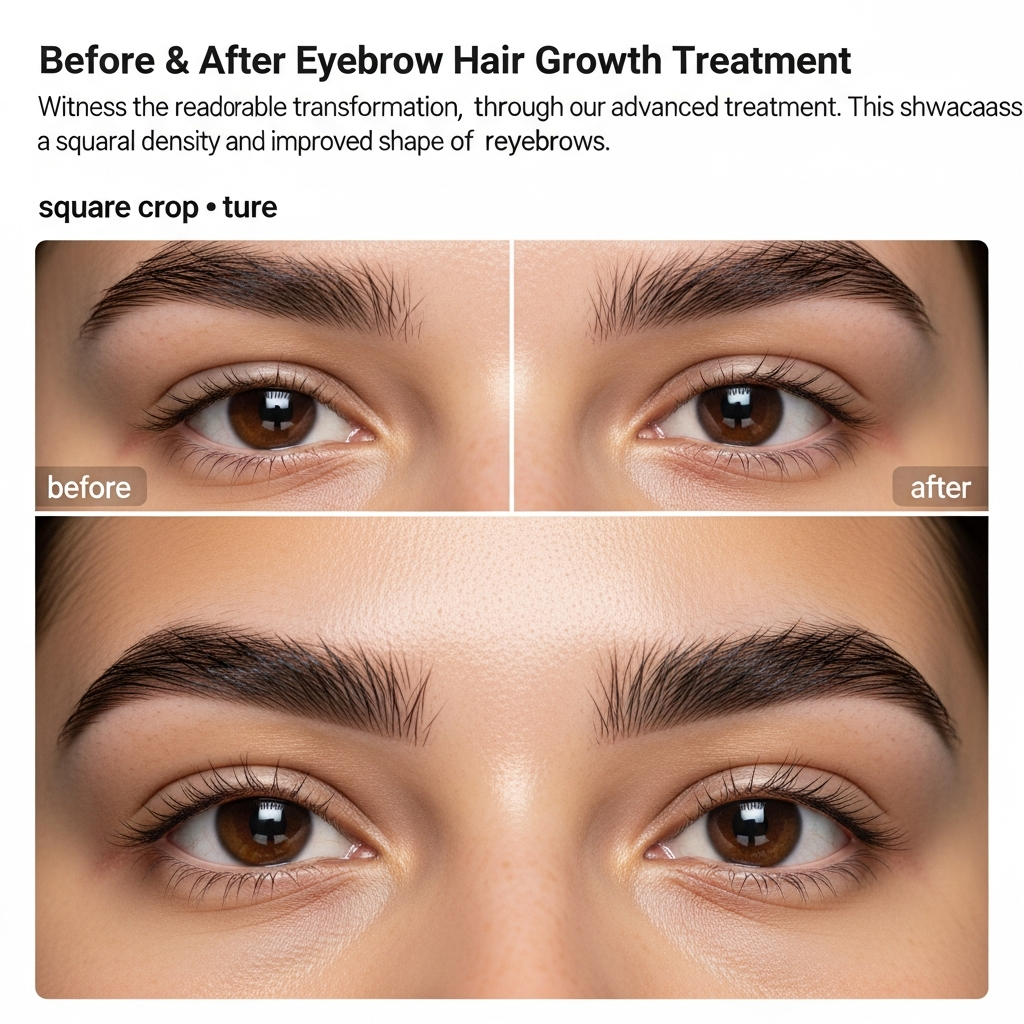
When you visit for a consultation, ask targeted questions about the team’s experience with eyebrow-specific procedures, average graft counts for transplants, PRP protocols (volume, centrifuge type, injection technique), and the specific topical agents they use. Request to see before-and-after images from multiple patients with similar patterns of loss. If you want to preview outcomes digitally, many clinics offer simulation tools so you can visualize potential improvements; try the interactive preview to set realistic expectations and decide whether to proceed.
Insurance rarely covers cosmetic eyebrow hair growth treatment, so get a detailed cost breakdown and a staged plan that maps the expected timeline of treatments. A good treatment plan will include maintenance strategies and contingency steps if initial therapies are only partially effective. For independent patient perspectives and feedback on clinic performance, consult verified narratives on the testimonials page, which often reveal how aftercare and results matched expectations.
For those ready to take a first step, many clinics offer an initial consultation booking online and resources to prepare for your visit; you can learn more about arranging an appointment on the consultation page and review patient stories on the testimonials page to see examples of typical journeys.
At-home care, adjuncts, and lifestyle optimizations
Clinic-based therapies are most effective when combined with disciplined at-home care. For any plan addressing eyebrow hair growth treatment, adopt gentle grooming practices: avoid pulling or aggressive brow grooming, use mild cleansers, and protect the area from harsh chemicals and UV exposure. Nutritional support can be beneficial; ensure adequate protein intake, iron, zinc, vitamin D, and B vitamins, particularly biotin, if a deficiency is suspected. While supplements alone rarely restore brows, they support overall hair health and complement medical or procedural interventions.
Topical serums are a common at-home adjunct and can be prescribed or recommended by your clinician. Consistency matters: these agents typically require daily application for several months before visible changes occur. Pair topical regimens with periodic clinic follow-ups to measure progress, adjust dosages, and catch any local reactions early. If you’re curious about how maintenance integrates with procedural options, ask the clinic about combined protocols that space PRP or transplant sessions alongside a topical program to amplify results.
Stress management and sleep quality also influence hair cycles, so include lifestyle changes that reduce chronic stress and support recovery from treatments. When you evaluate outcomes, photograph brows in consistent lighting and angles to monitor density and direction changes over time. For inspiration and to set realistic visual goals, review the gallery of patient outcomes and speak to the care team about custom timelines tailored to your baseline brow anatomy and treatment choices.
Want personalized advice?
Schedule Your AssessmentTimelines, costs, and previewing your results before committing
Knowing what to expect in timing and cost helps you commit to a sensible eyebrow hair growth treatment plan. Topical therapies can show early changes in three to four months, with maximal improvement at six to twelve months. PRP typically demonstrates progressive improvement over a series of three treatments spaced 4–6 weeks apart, with maintenance sessions annually or semi-annually. Transplantation yields immediate increase in visible hairs, but final maturation and trimming may be necessary over six to twelve months as transplanted hairs adapt to their new site.
Cost varies widely by modality and geography. Topical regimens are priced for medication and follow-up visits; PRP is priced per session and depends on the processing system used, while transplant procedures are quoted based on graft count and surgeon expertise. A transparent clinic will provide an itemized estimate and discuss financing or staged payment options so your financial plan matches your clinical plan. When you compare options, weigh long-term maintenance costs against upfront investment and permanence of results.
One practical step before committing is to preview your possible results using simulation tools. Many clinics provide digital simulators to show a projected outcome based on your current brow anatomy and the intended intervention. This can be particularly useful if you’re deciding between conservative medical therapy and surgical transplantation. If you’d like to see a simulated preview, try the clinic’s interactive tool here: simulator. You can also take the next step and experience a predictive simulation with the direct call-to-action below.
Female Hair Transplant is referenced here for readers considering gender-specific strategies for restoring brow and facial hair; some clinics publish gender-specific planning resources that clarify cosmetic priorities and grafting strategies. If you are considering a transplant for brows, review gender-specific case studies so you appreciate the stylistic differences in shaping and density.
See your potential results before you commit.
“Previewing results with a simulator reduces uncertainty and helps align patient expectations with clinical realities—this is an essential step in modern aesthetic planning.” — Patient Experience Lead
Summary and next steps
Choosing the right eyebrow hair growth treatment combines science, aesthetics, and a clear understanding of your personal goals. Start with a diagnostic visit to exclude reversible medical causes and to set an evidence-based strategy that matches your tolerance for downtime and maintenance. Many patients begin with topical therapy or PRP and progress to transplantation only if conservative measures prove inadequate. Combining clinic-based procedures with consistent at-home maintenance yields the best long-term outcomes.
When researching clinics, insist on transparent documentation of techniques, before-and-after galleries, and an individualized plan with clear timelines and cost estimates. Use patient testimonials and the clinic’s gallery to compare real-world outcomes, and try a digital simulator to preview your potential results before you commit. If you’re ready to explore options with a specialist, book an initial consultation or use the simulator to visualize your possible outcome.
To proceed, review the clinic’s service descriptions and technology pages for technical details, read patient stories on the testimonials page, and when you are ready schedule a personalized consultation via the consultation page. If you have urgent questions about candidacy or pricing, contact the clinic directly through the contact page to arrange a pre-consultation discussion and next steps.
Schedule a consultation or browse our gallery to see diverse results. When you’re ready, take advantage of the predictive tool below to visualize a potential outcome and make a confident decision. See your potential results before you commit.
Medical Information Disclaimer
This content is provided for general educational purposes only. It is not a substitute for professional advice, diagnosis, or treatment. Readers are advised to consult qualified professionals for personalized recommendations.
See how we can help you
Get Started Today