The search for a reliable hair treatment for growth and thickness is one of the most common concerns among people of all ages. Whether you're noticing gradual thinning, recession at the temples, or simply want denser, healthier hair, understanding the full spectrum of options matters. In this article you'll learn evidence-based strategies, clinic-grade interventions, and everyday routines that collectively support thicker, faster-growing hair.
We explore clinical procedures, topical and oral therapies, scalp and lifestyle interventions, and realistic timelines for results. I will walk you through what works, what to expect from professional services, and how to build a treatment plan that matches your goals and budget. Expect a practical guide that connects medical insights with actionable steps you can take today to improve hair health and appearance.
Throughout this piece we'll address common myths, highlight when to seek specialist care, and show how combined approaches often yield the best outcomes. If you're ready to move beyond trial-and-error and adopt a systematic strategy for fuller hair, read on — and if you'd like to explore clinic options, our services page explains the procedures we offer.
How hair grows and why thickness matters
To design an effective hair treatment for growth and thickness, it helps to understand the hair growth cycle and the biological factors that determine shaft thickness. Hair grows from follicles in phases — anagen (growth), catagen (transition), and telogen (rest). The length of the anagen phase and the diameter of individual hairs determine how full your hair looks; when follicles miniaturize, hairs become finer and appear sparse. Recognizing whether thinning is diffuse or patterned helps tailor treatment decisions and predict responsiveness to therapies.
Genetics, hormones (notably dihydrotestosterone), nutritional status, and inflammatory scalp conditions all influence follicle health. For many, a comprehensive solution combines topical agents that extend anagen, systemic treatments that address hormonal or nutritional drivers, and scalp-focused therapies that reduce inflammation and improve blood flow. Clinical assessment is essential; a specialist can distinguish between telogen effluvium, androgenetic alopecia, and other causes, which changes the recommended hair treatment for growth and thickness.
Understanding the timeline is also crucial. Hair growth is slow — visible changes often take 3 to 6 months for noticeable improvement and 9 to 12 months for substantial density gains. Managing expectations ensures better adherence to a plan and prevents premature abandonment of effective strategies. For more information about assessment and diagnostic tools we use, visit our consultation page to schedule an evaluation.
Topical and oral treatments that show consistent results
Topical therapies remain central to many successful hair treatment for growth and thickness plans because they act directly at the follicle. Minoxidil, available in foam and solution forms, is the most widely studied topical treatment and can extend the anagen phase while increasing hair diameter for many users. Prescription topical formulations and combination therapies with platelet-rich plasma (PRP) or low-level laser therapy can produce additive benefits when used in a coordinated regimen under clinical supervision.
Oral medications can complement topicals, particularly for patterned hair loss or where hormonal drivers are identified. Finasteride and other antiandrogens reduce the follicle-shrinking effects of DHT in suitable patients, while supplements targeting deficiencies — such as iron, vitamin D, biotin in deficient individuals, and zinc — can correct underlying contributors to thinning. Always have labs checked before starting systemic therapy; our team offers targeted testing and personalized recommendations on the services page.
Emerging therapies including oral nutraceutical blends and novel peptides show promise, but careful selection based on evidence and safety is essential. Combining an evidence-based topical with appropriate systemic support and scalp-directed treatments increases the likelihood of meaningful improvement in both growth rate and thickness. If you're evaluating options, our technology page explains the devices and techniques we integrate into treatment protocols.
Ready to take the next step?
Book a Free ConsultationProcedural options: clinic-based interventions that build density
When you need a faster or more pronounced improvement in density, clinic-based procedures are powerful components of an effective hair treatment for growth and thickness. Platelet-rich plasma (PRP) stimulates follicular repair and has been shown to support thicker shafts and increased hair count in repeated studies. Low-level laser therapy (LLLT) devices, administered in clinics or at home, can improve cellular energy in follicles and support longer anagen phases when used consistently.
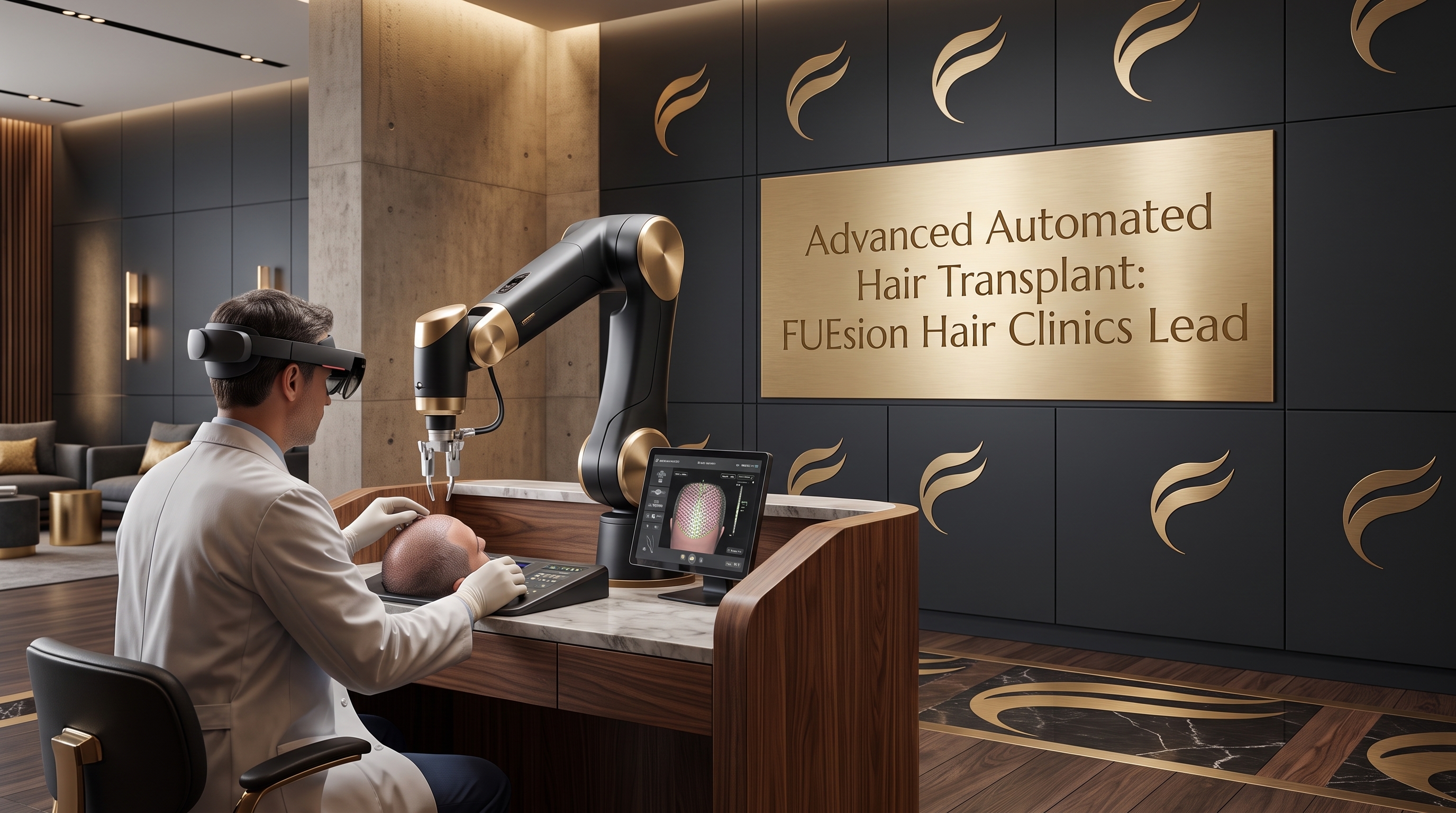
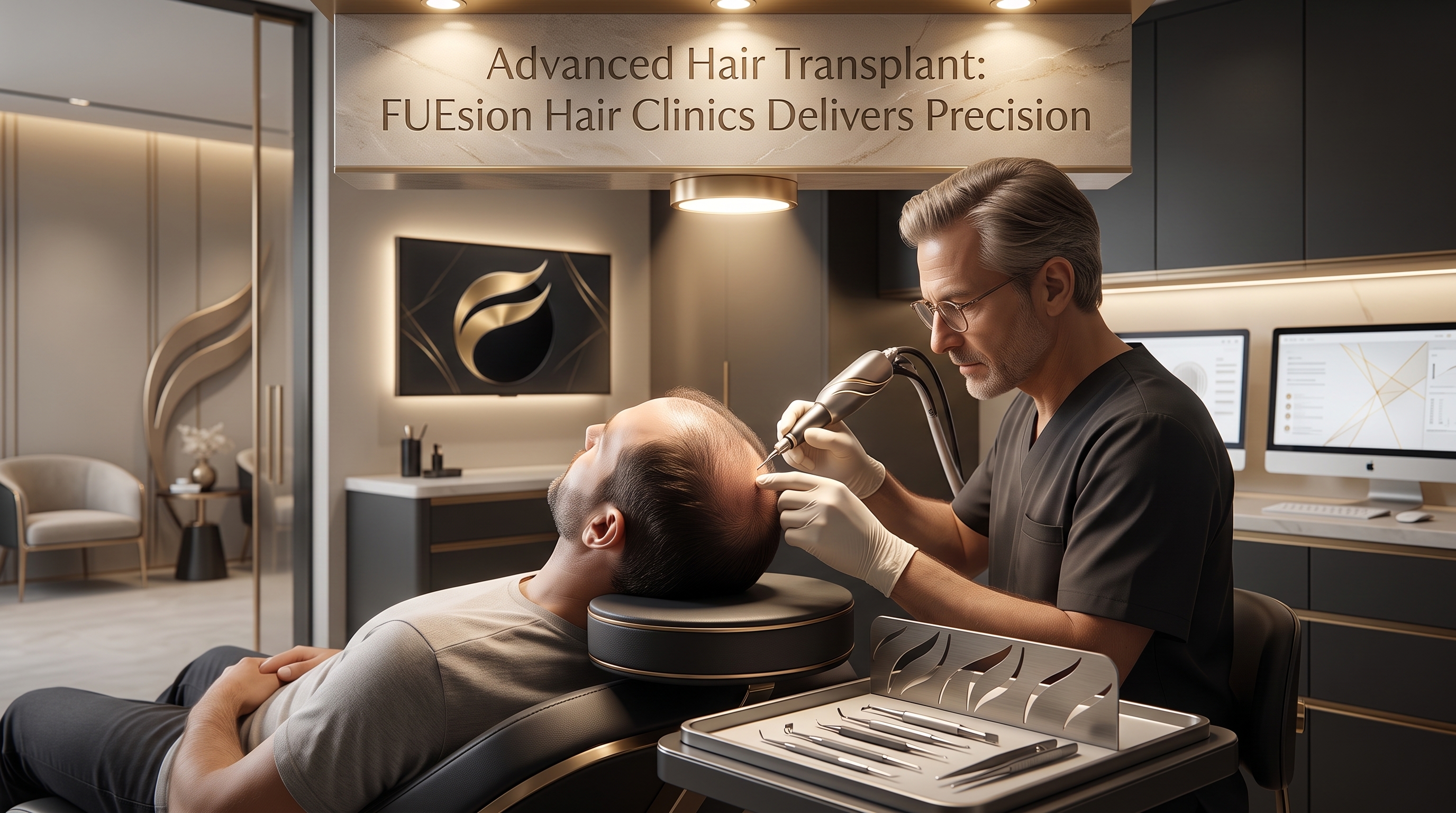
For patients with significant and stable hair loss, hair transplant surgery — particularly follicular unit extraction (FUE) — repositions healthy follicles from donor areas to thinning zones, offering a permanent change in density and coverage. Surgical planning should account for donor reserves and realistic expectations. You can explore case examples in our gallery to see how targeted procedures deliver long-term improvements in both growth and thickness.
Another in-clinic option is microneedling combined with topical serums or PRP, which enhances product penetration and induces beneficial wound-healing signals that promote thicker hair formation. Selecting the right combination of procedural and non-procedural therapies is a nuanced process; our specialists discuss individualized protocols during a thorough consultation. If you're considering procedural routes, read patient experiences on our testimonials page for real-world perspectives.
Real improvement in hair thickness usually results from layered approaches — combining clinic procedures, topical therapy, and lifestyle adjustments rather than relying on a single miracle cure.
Daily habits, scalp care, and lifestyle modifications
An effective hair treatment for growth and thickness extends far beyond products and procedures; daily care and lifestyle choices set the foundation for long-term success. Gentle cleansing, avoiding harsh chemical treatments, minimizing heat styling, and choosing weight-appropriate hairstyles preserve existing hair and prevent further breakage-related thinning. Scalp health is equally critical: regular, gentle exfoliation and managing dandruff or dermatitis improve follicular environment and product absorption.
Nutrition and sleep are powerful modifiers of hair health. A balanced diet with adequate protein, essential fatty acids, and micronutrients supports keratin production and follicle vitality. Chronic stress drives telogen effluvium and can blunt the effects of medical treatments, so incorporating stress-reduction practices such as mindfulness, exercise, and adequate rest complements any clinical plan. For patients uncertain about nutrient status, our team can arrange targeted bloodwork and advise on supplements available through our consultation service.
Practical daily habits also include protecting hair from sun and chlorine, using silk or satin pillowcases to reduce friction, and avoiding tight hairstyles that exert traction. These simple changes, when applied consistently alongside medical or procedural treatments, help maintain gains in density and support long-term hair resilience. Learn more about our approach to preventative care on the assurance page.
Want personalized advice?
Schedule Your AssessmentDesigning a personalized plan and monitoring progress
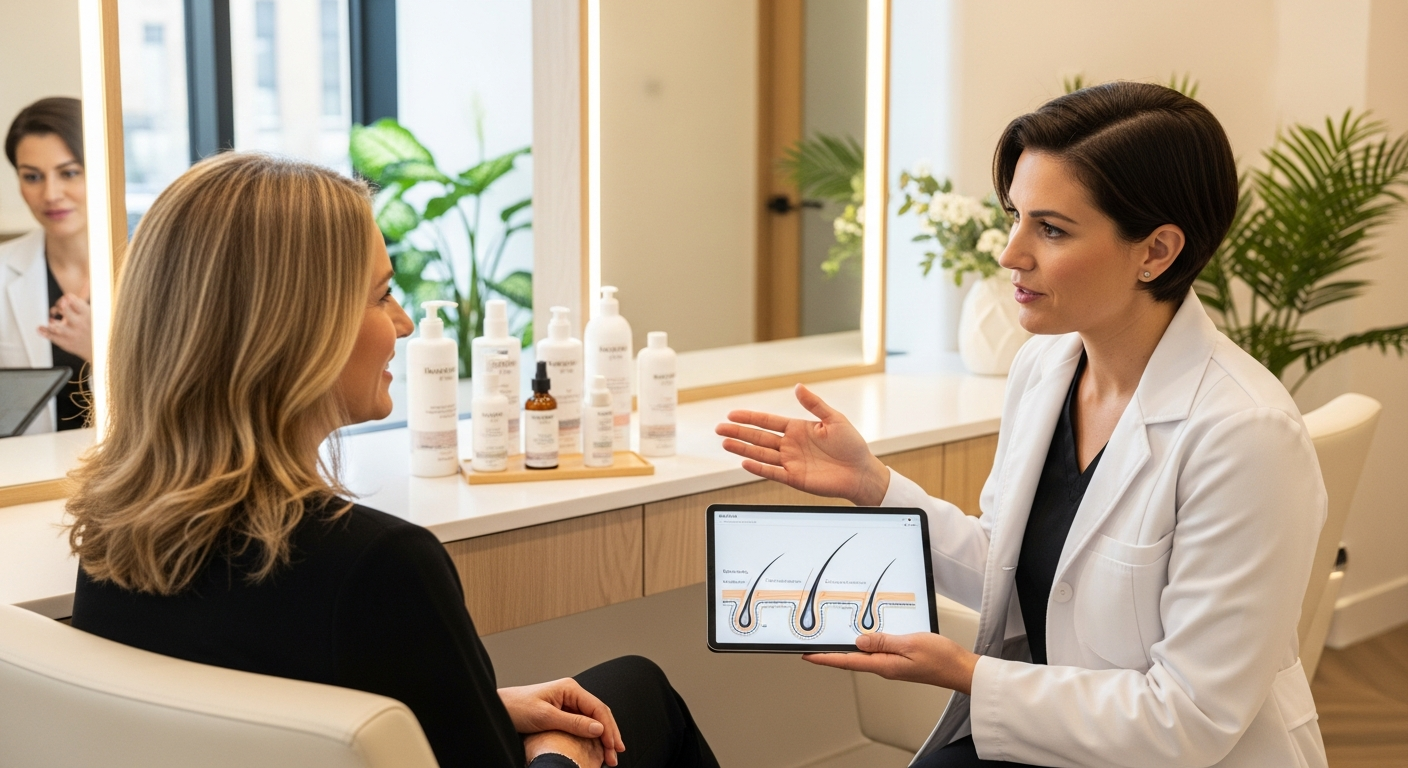
Creating a successful hair treatment for growth and thickness requires a personalized plan with measurable goals and scheduled reviews. A sensible program starts with a clinical assessment, baseline photography, and, where indicated, blood tests to rule out treatable causes. From there, your clinician will recommend a phased plan: immediate interventions to stabilize shedding, mid-term strategies to promote regrowth, and maintenance tactics to sustain thickness. This staged approach helps patients stay motivated and provides clear points for adjustment based on objective progress.
Monitoring is essential. Standardized photos, trichoscopy, and periodic density measurements let clinicians track response and switch tactics if progress stalls. Many patients benefit from a hybrid plan combining in-clinic sessions, daily topicals, and lifestyle changes — a balance that optimizes outcomes while respecting time and budget constraints. If you're ready to see what a tailored plan could look like, try our simulation tool to visualize potential outcomes: use our simulator or click the simulation CTA below to preview results before committing.
For those considering surgical or advanced procedural options, a realistic discussion about donor availability, long-term maintenance, and potential need for touch-ups is part of ethical care. We encourage prospective patients to review credentials and ask for before-and-after visuals; our about page details our team’s expertise and standards of care. If you'd like to start the process, visit our contact page to book an appointment or ask questions.
Patients who commit to a coordinated plan and consistent follow-up experience the greatest and most sustainable gains in both growth and thickness.
See your potential results before you commit.
For women specifically concerned about thinning, specialized options exist. Learn more about the clinic protocol designed for female patients by visiting our Female Hair Transplant service page, which outlines how targeted approaches are adapted to female hair loss patterns and expectations.
Conclusion: Start with a plan, commit to the process
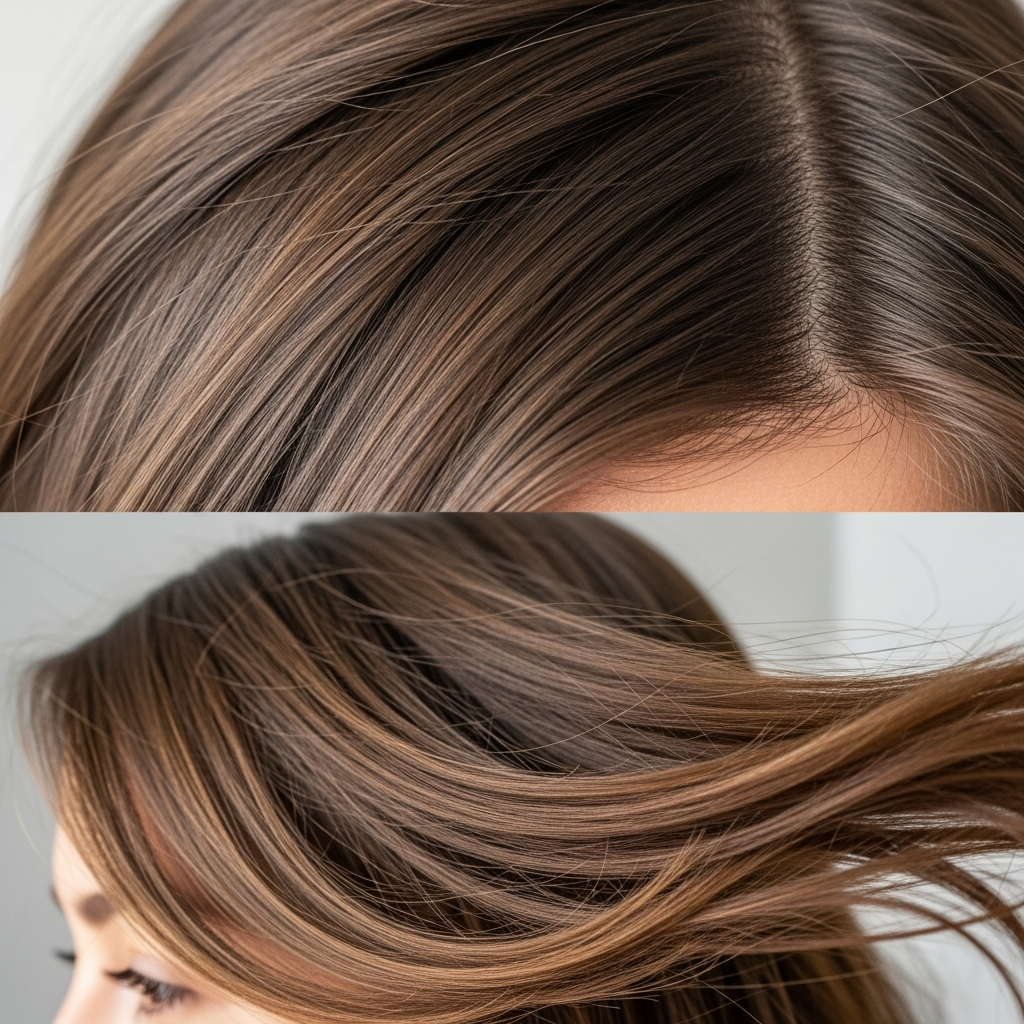
Addressing thinning and pursuing a reliable hair treatment for growth and thickness is a multi-step effort that rewards patience and disciplined follow-through. The most effective outcomes come from combining clinically proven topicals and systemic treatments with targeted in-clinic procedures and sensible daily care. A personalized assessment and regular monitoring keep the program aligned with your goals and allow timely adjustments when necessary.
If you’re serious about meaningful improvement, take the next step: book a consultation, use our simulation tool to preview results, and review patient stories to set realistic expectations. Our clinic provides comprehensive evaluations and individualized plans designed to maximize both growth and thickness while prioritizing safety and long-term health. Learn more on our services and assurance pages, or contact us to start your treatment journey today.
Key takeaway: A sustainable increase in hair density and shaft diameter is achievable with a structured, evidence-based plan that combines medical therapy, procedural support, and consistent scalp and lifestyle care. Begin with an expert assessment and commit to a coordinated strategy for the best chance at fuller, thicker hair.
Medical Information Disclaimer
This content is provided for general educational purposes only. It is not a substitute for professional advice, diagnosis, or treatment. Readers are advised to consult qualified professionals for personalized recommendations.
See how we can help you
Get Started Today