Hair loss treatment touches more than vanity; it affects confidence, identity and how you present in the world. Whether you're noticing gradual thinning at the crown, a widening part, or sudden shedding, understanding the landscape of modern solutions is the first step toward regaining control. In this guide you'll learn how to evaluate causes, compare medical and surgical options, and choose a tailored plan that balances safety, effectiveness and cost. The goal here is practical: to demystify therapies and help you make a confident decision about hair loss treatment that fits your life.
We start with why hair thins, then move through evidence-based non-surgical therapies, the role of transplantation, and what to expect throughout recovery and follow-up care. This article aims to be a resource you can return to while you research clinics, compare techniques and prepare questions for your consultation. If you want to preview potential outcomes before you commit, try our simulator at any time. For more background on our clinic and philosophy, see our About page.
Understanding Causes and When to Seek Help
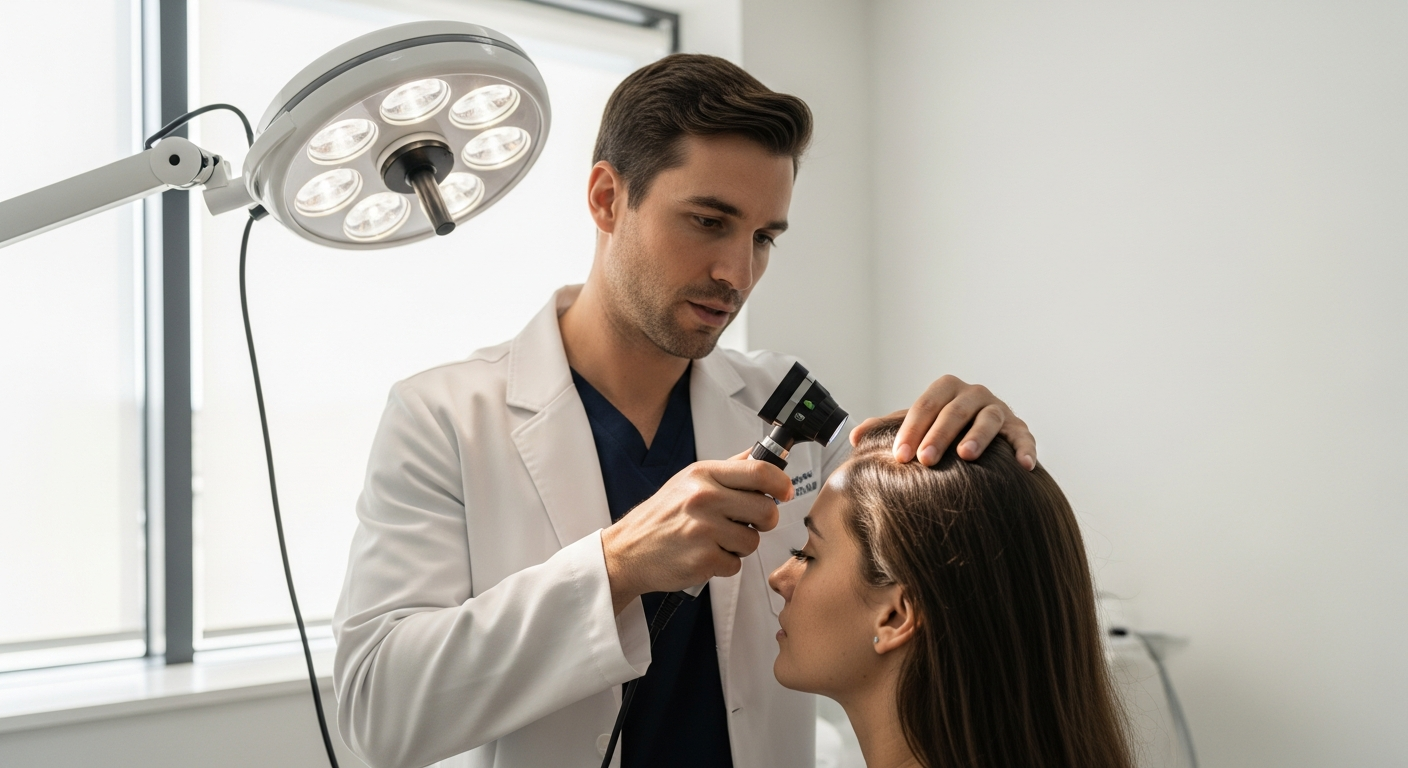
Pinpointing the reason for hair thinning is essential to designing an effective hair loss treatment. Genetic androgenetic alopecia presents predictably with miniaturization of follicles, while telogen effluvium causes diffuse shedding after a trigger such as illness, surgery, or stress. Autoimmune conditions like alopecia areata, hormonal imbalances such as those from thyroid disease or polycystic ovary syndrome (PCOS), and medications can all produce different patterns and timelines for hair loss. Accurate diagnosis begins with a clinical history, physical exam and sometimes blood tests or a scalp biopsy, because the wrong diagnosis leads to ineffective therapy.
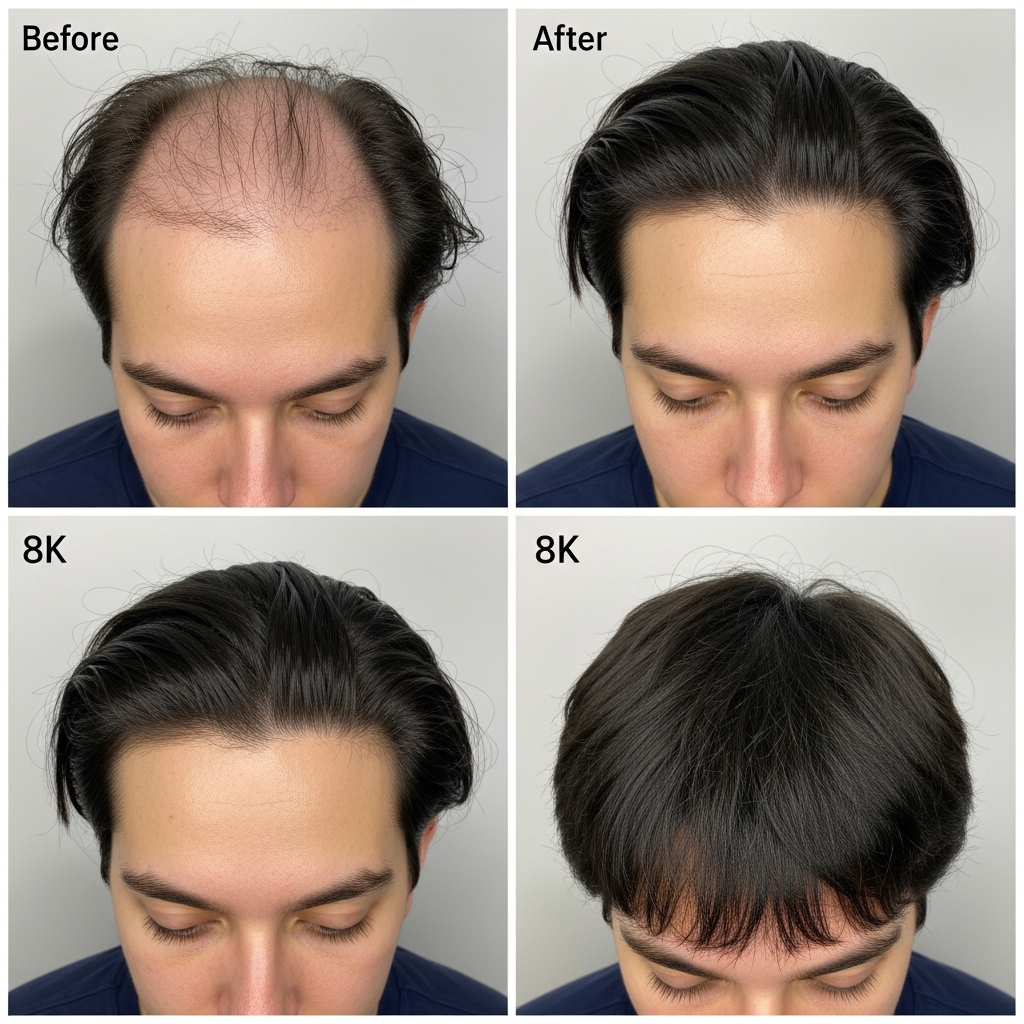
Seeking help early increases your options. Many treatments work best when hair follicles are still viable. That’s why a prompt evaluation can preserve density and expand the menu of interventions, from topical agents to regenerative therapies. If you are considering a cosmetic procedure, reviewing patient outcomes in our gallery and reading real experiences on our testimonials page can clarify realistic expectations and timelines for improvement.
Diagnosis also informs urgency. Sudden, patchy loss or rapidly progressive shedding requires quicker workup than gradual thinning over years. A careful assessment ensures that your chosen hair loss treatment is both safe and targeted. For next steps, schedule a consultation with a specialist to map out a diagnostic plan and early interventions; you can book directly on our consultation page.
Medical and Non-Surgical Treatments That Work
Non-surgical management forms the foundation of most modern hair loss treatment plans. Evidence-backed topical minoxidil and oral finasteride (for qualifying patients) remain first-line for androgenetic alopecia, reducing further thinning and stimulating regrowth in many cases. Beyond these, low-level laser therapy (LLLT), platelet-rich plasma (PRP) injections and topical prescription formulations expand options for those seeking to augment results or delay surgical intervention. Each modality has distinct mechanisms and timelines: minoxidil requires months to show change, PRP may show benefits after several sessions, and LLLT is usually an ongoing commitment for maintenance.
Choosing among these options depends on factors like age, pattern of loss, medical history and treatment goals. For instance, younger patients might prioritize medical therapy to preserve their natural hair, while those with stable pattern loss over time may combine nonsurgical treatments with transplant planning. Discussing realistic outcomes is essential; many therapies slow progression and can thicken miniaturized hairs but will not recreate a dense, youthful hairline on their own in advanced cases. Our services page outlines each modality in detail so you can compare approaches and expected results.
Side effects and monitoring are part of good care. Oral medications require medical oversight and baseline testing when indicated, while procedures such as PRP should be performed by trained clinicians to control infection risk and optimize technique. A combined protocol often yields the best long-term results: medical therapy to halt progression, adjunctive treatments to stimulate follicles, and procedural options reserved for areas with permanent loss. This layered strategy is at the heart of contemporary, individualized hair loss treatment planning.
Ready to take the next step?
Book a Free ConsultationSurgical Options: Who Benefits and What to Expect
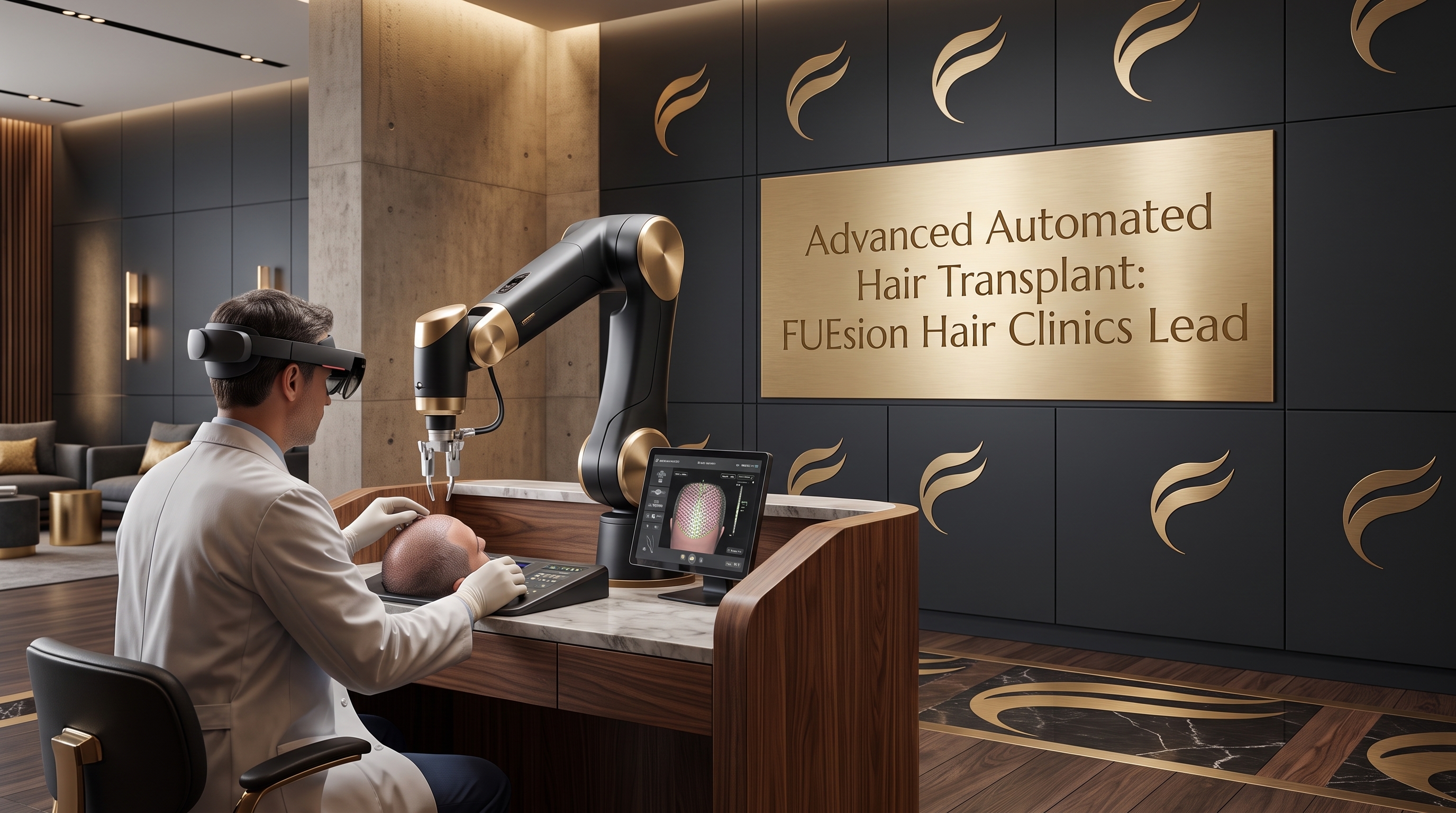
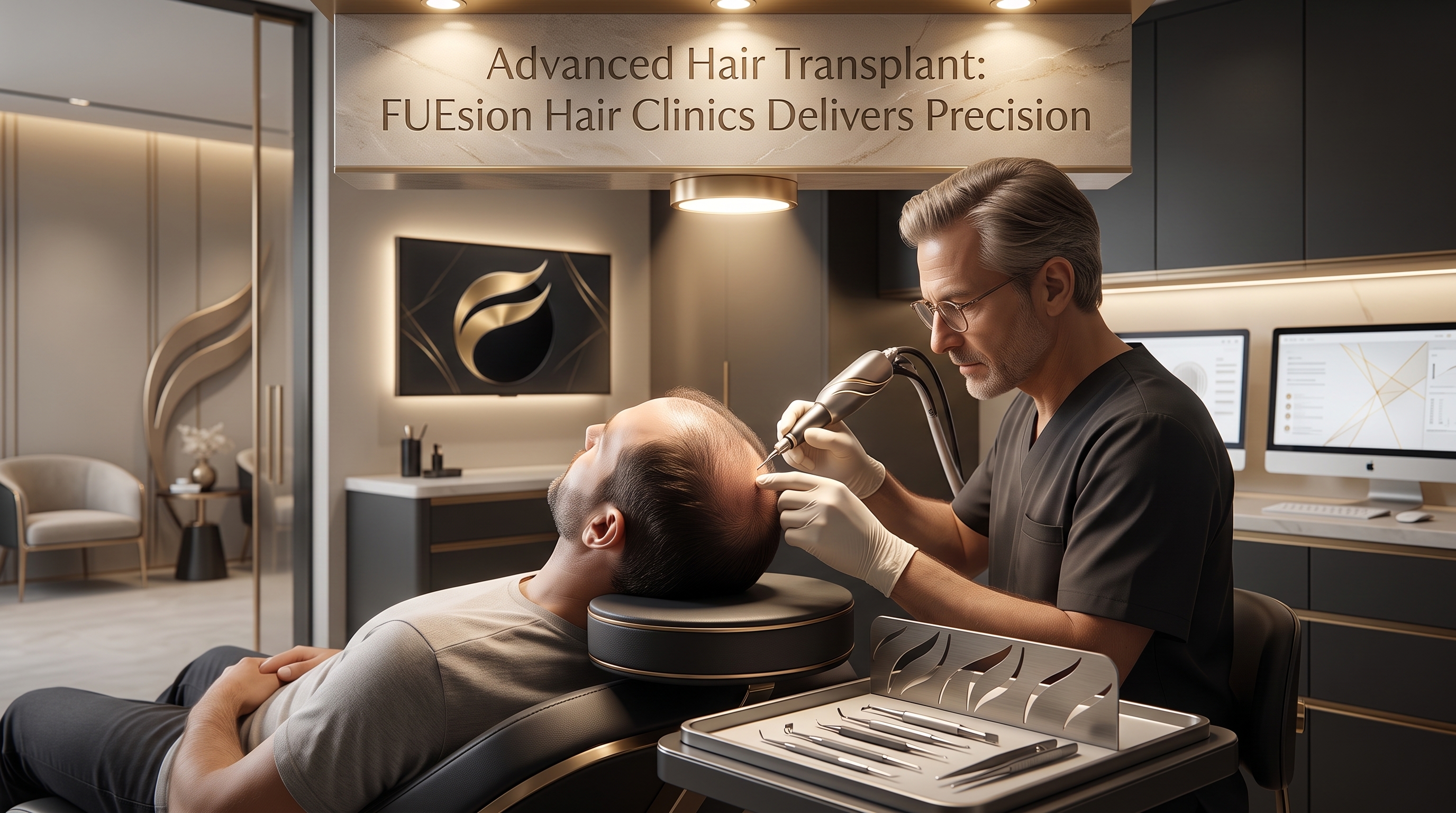
Surgical hair restoration, particularly follicular unit extraction (FUE) and follicular unit transplantation (FUT), offers permanent reallocation of donor hair to thinning areas and remains the most predictable way to restore natural density and hairline architecture. Candidates for surgery typically have stabilized hair loss, sufficient donor reserve, and realistic expectations about coverage and density. A surgical plan must consider scalp laxity, donor quality, and long-term progression to ensure transplanted hair will blend and age naturally with existing hair.
For women experiencing patterned thinning, specialized techniques and donor evaluation are crucial. If you are researching options for female pattern hair loss, the dedicated service Female Hair Transplant explains tailored approaches and outcomes. Surgical candidates often benefit from pre- and post-operative medical therapy to maximize native follicle health and long-term results. Reviewing before-and-after examples in our gallery can be especially helpful to set realistic benchmarks for density and hairline design.
"A successful surgical plan integrates restoration with long-term medical management — surgery is not a standalone cure but part of a broader strategy to preserve and improve hair."
Surgery requires planning for downtime, sequential sessions if large areas are treated, and realistic timelines for growth: visible improvement typically emerges at 4–6 months, with final maturation by 12–18 months. Cost varies widely with graft numbers and clinic expertise, so evaluate clinics on technique, safety standards and documented outcomes rather than price alone. For personalized cost estimates and to explore whether surgery is the right step for you, use our online calculator or contact our team through the contact page.
Designing a Personalized Treatment Plan
Effective hair loss treatment is never one-size-fits-all. A thoughtful plan balances immediate goals (stop shedding, increase thickness) with long-term maintenance and realistic aesthetic aims. Your clinician should produce a documented plan that outlines diagnostic findings, recommended therapies, expected timelines, and follow-up intervals. This plan often blends topical or oral medications, in-clinic regenerative therapies such as PRP, and, when appropriate, surgical restoration. Shared decision-making—where you understand trade-offs and have input on priorities—produces the highest satisfaction.
When mapping your plan, consider these core elements: candidacy for medical therapy, the potential role for minimally invasive procedures, donor assessment for possible transplantation, and a maintenance regimen. A short checklist helps keep choices clear: current medications and supplements, family history, onset and tempo of hair loss, prior treatments and response, and lifestyle factors like diet and stress. If you want a hands-on demonstration of projected outcomes, our simulator can create visualizations from your own photos—helpful when weighing surgical versus non-surgical paths.
Actionable steps to take during planning include getting baseline bloodwork if indicated, documenting photos for progress tracking, and scheduling a follow-up to reassess after initiating therapy. Many patients find a combined approach gives the best balance between preserving existing hair and restoring lost density. For assistance with decision-making, you can review our treatment philosophy on the Assurance page and book a tailored consultation using our consultation form.
- Identify diagnosis and urgency
- Begin medical therapy when appropriate
- Consider adjunctive procedures for stimulation
- Plan surgical steps only after stabilization
Want personalized advice?
Schedule Your AssessmentWhat to Expect: Recovery, Results, and Costs
Understanding recovery and long-term expectations is essential before starting any hair loss treatment. Non-surgical therapies generally allow immediate return to daily activities, though some in-office procedures may require short downtime. Surgical recovery depends on technique—FUE has a faster return with tiny dot scars, while FUT may require a longer healing period and leaves a linear scar. Across modalities, effective aftercare supports graft survival, minimizes infection risk and promotes the best cosmetic outcome.
Results accumulate gradually. Medical therapies can require 4–12 months before meaningful improvements appear; procedural gains from PRP or LLLT may become apparent over several months of treatment. Transplant growth follows a predictable timeline with initial shedding of transplanted hair followed by regrowth that reaches maturity by 12–18 months. Managing expectations about cadence and magnitude of change reduces disappointment and helps you evaluate progress objectively.
Cost is a practical consideration that influences choice for many patients. Non-surgical routes often carry lower upfront cost but may require ongoing expenditure for maintenance. Surgical restoration involves a higher one-time investment but provides permanent redistribution of available donor hair. When comparing clinics, look for transparent pricing, documented outcomes, and aftercare policies rather than simply the lowest quote. You can learn more about financing, guarantees and aftercare on our services and Assurance pages, and see how others have navigated the process on our testimonials page.
"The best investment in hair restoration pairs careful diagnosis with a long-term maintenance plan; immediate results matter, but durability defines success."
Before you commit, visualize outcomes with our tool and discuss specifics during a consultation. If you are ready to preview potential results, click below.
See your potential results before you commit.
Conclusion
Choosing the right hair loss treatment means combining accurate diagnosis, evidence-based medical therapies, and targeted procedural options when needed. Early assessment preserves options, and a staged plan—starting with medical measures and adding procedural or surgical interventions as appropriate—yields the most predictable, satisfying outcomes. Throughout the process, prioritize clinics that document outcomes, offer transparent care plans and support long-term maintenance.
Your next practical steps are to schedule a specialist consultation, review documented patient results in the gallery and testimonials, and try our simulator to preview outcomes. If you have questions about specific therapies, costs or candidacy, reach out via our contact page or book a personalized session on the consultation page. Effective action starts with informed choices—take the first step today and build a plan that addresses both the science and the aesthetics of hair restoration.
Take action: explore our services, view real patient results, and start a conversation with a specialist to find the right hair loss treatment for you. For immediate visualization of potential outcomes, use the simulator tool now.
Medical Information Disclaimer
This content is provided for general educational purposes only. It is not a substitute for professional advice, diagnosis, or treatment. Readers are advised to consult qualified professionals for personalized recommendations.
See how we can help you
Get Started Today