The search for the best hair implant surgeon can feel overwhelming: thousands of clinics, dozens of techniques, and promises that sound too good to be true. In this guide you'll learn how to evaluate surgeons on credentials, results, and aftercare so you can choose with confidence. Whether you're considering FUE, FUT, or female hair restoration options, the right surgeon will combine medical expertise with artistic vision and transparent patient care. This article breaks down the essential criteria, practical questions to ask at consultation, how to read before-and-after galleries, and what excellent post-op support looks like.
We'll show you how to separate marketing from measurable outcomes, highlight the red flags to avoid, and point you to resources and tools that help you see potential results before you commit. Throughout, we'll reference clear steps and reliable checks so your decision is based on evidence, not hype. If you're ready to narrow your choices and book a meaningful consultation, this guide will give you the framework and language to find the best hair implant surgeon for your needs.
Choosing the right surgeon is the single most important factor in hair transplant outcomes; technique matters, but judgment and experience matter more.
What truly defines the best hair implant surgeon
When you search for the best hair implant surgeon, focus first on measurable qualifications and clinical experience rather than promotional promises. A top surgeon will hold formal training in hair restoration and board certification in a relevant surgical specialty, and they will document years of consistent case volume across a range of patient types. Importantly, excellence is not limited to surgical skill: the best practitioners invest in ongoing education, adopt proven technologies, and publish or present outcomes to peers, demonstrating that their results stand up to professional scrutiny.
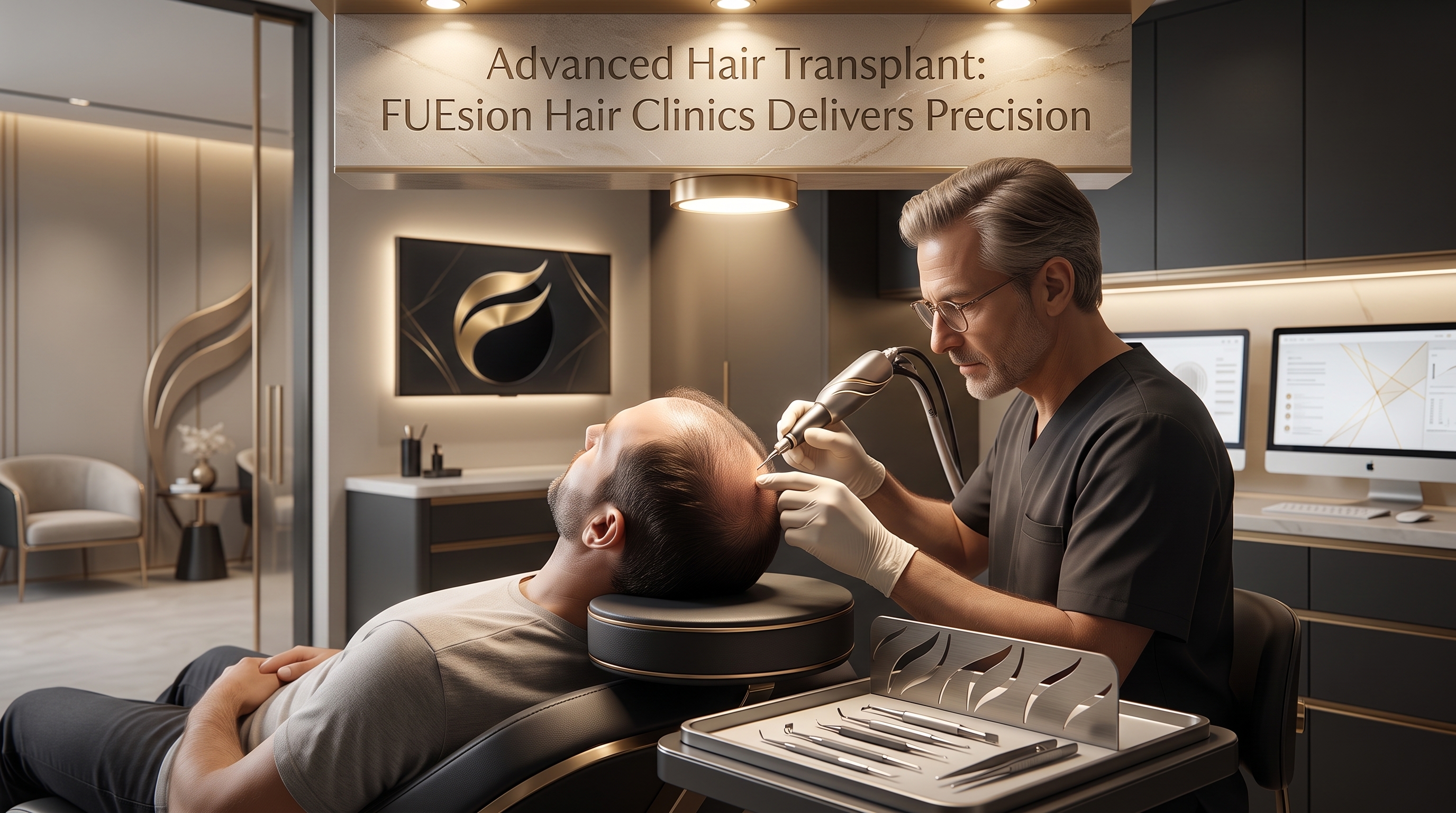
Technique matters, but the ability to design a natural hairline, manage donor resources, and plan for long-term density separates competent technicians from masters. Look for surgeons who are fluent in both FUE and FUT, understand graft handling, and make individualized plans rather than offering one-size-fits-all packages. Clinics that integrate modern tools—high-resolution imaging, digital planning, and careful graft placement protocols—give you a better chance of achieving a natural-looking, lasting result. Learn more about clinic approaches on the technology page to understand which tools and methods correlate with consistent outcomes.
Finally, patient selection and ethics are part of the definition. The best surgeons sometimes decline cases when expectations are unrealistic, when donor hair is insufficient, or when non-surgical alternatives better suit the patient. That clinical integrity is a sign you’re dealing with a responsible practitioner rather than a sales-driven operation. A careful, evidence-based process for selecting candidates is an unmistakable hallmark of the best hair implant surgeon.
How to evaluate surgeon results and clinic credibility
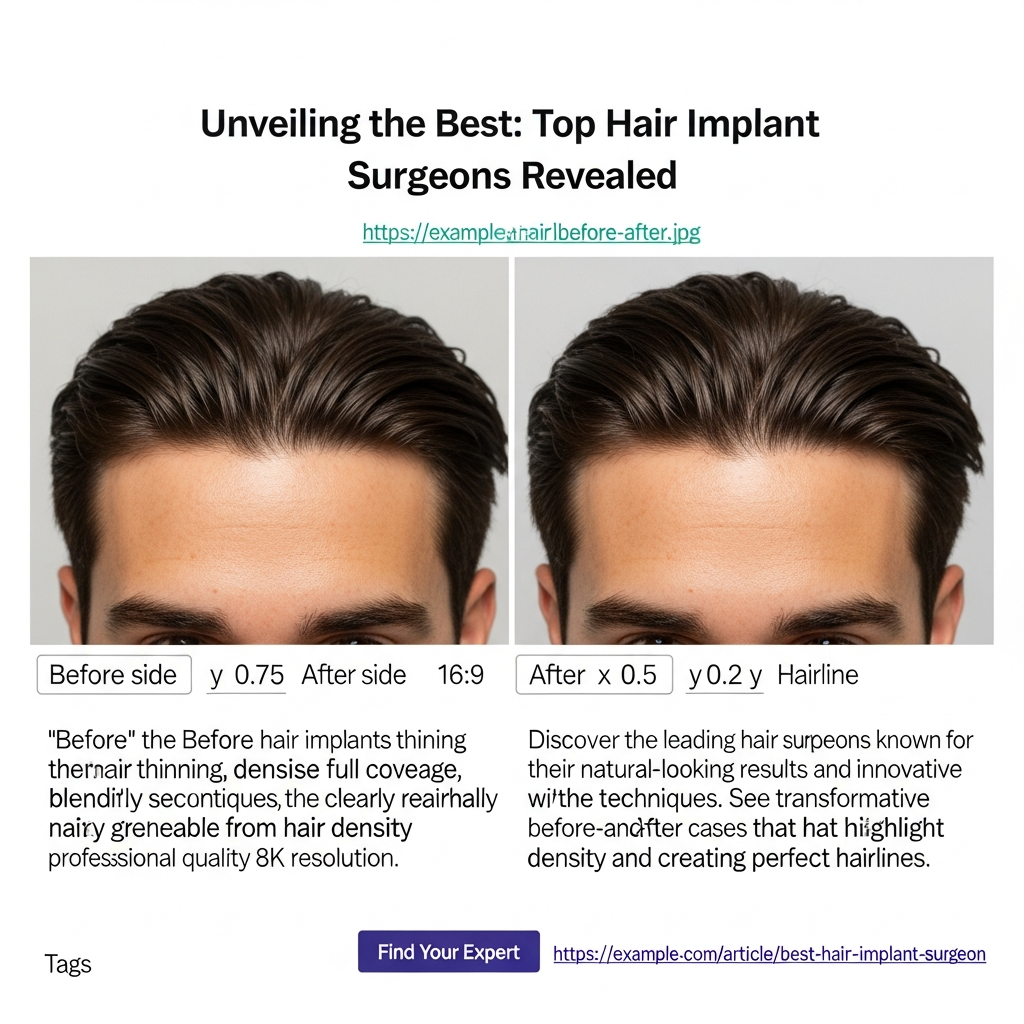
Before-and-after photos, patient testimonials, and documented complication rates reveal more than glossy marketing copy. When assessing photos, pay attention to lighting, angles, and the time elapsed post-op; real results should show healed donor and recipient sites with natural density at 9–12 months. The best practitioners will provide a range of cases—different ages, hair types, and extents of loss—so you can see how they handle diverse challenges. Visit the clinic gallery in person or online and compare multiple patients rather than relying on a single 'hero' case, which can be misleading.
Third-party reviews and patient testimonials add context but require scrutiny. Look for detailed testimonials that discuss the consultation process, realistic timelines, and the clinic's responsiveness during recovery. Clinics that openly share patient stories and allow you to speak with former patients demonstrate transparency and confidence in their outcomes. If available, request references or review moderated testimonials on the clinic's testimonials page to hear directly from people who have undergone the procedure.
Accreditation and clinic infrastructure matter, too. Operating in accredited facilities, using sterile protocols, and documenting patient safety systems lowers risk and signals professionalism. When you can verify the team includes trained nurses, a dedicated surgical coordinator, and clear follow-up plans, you’re more likely to receive consistent care. All of these factors help you determine which clinic truly hosts the best hair implant surgeon rather than one-off success stories.
Ready to take the next step?
Book a Free ConsultationKey questions to ask at consultation (and what answers should sound like)
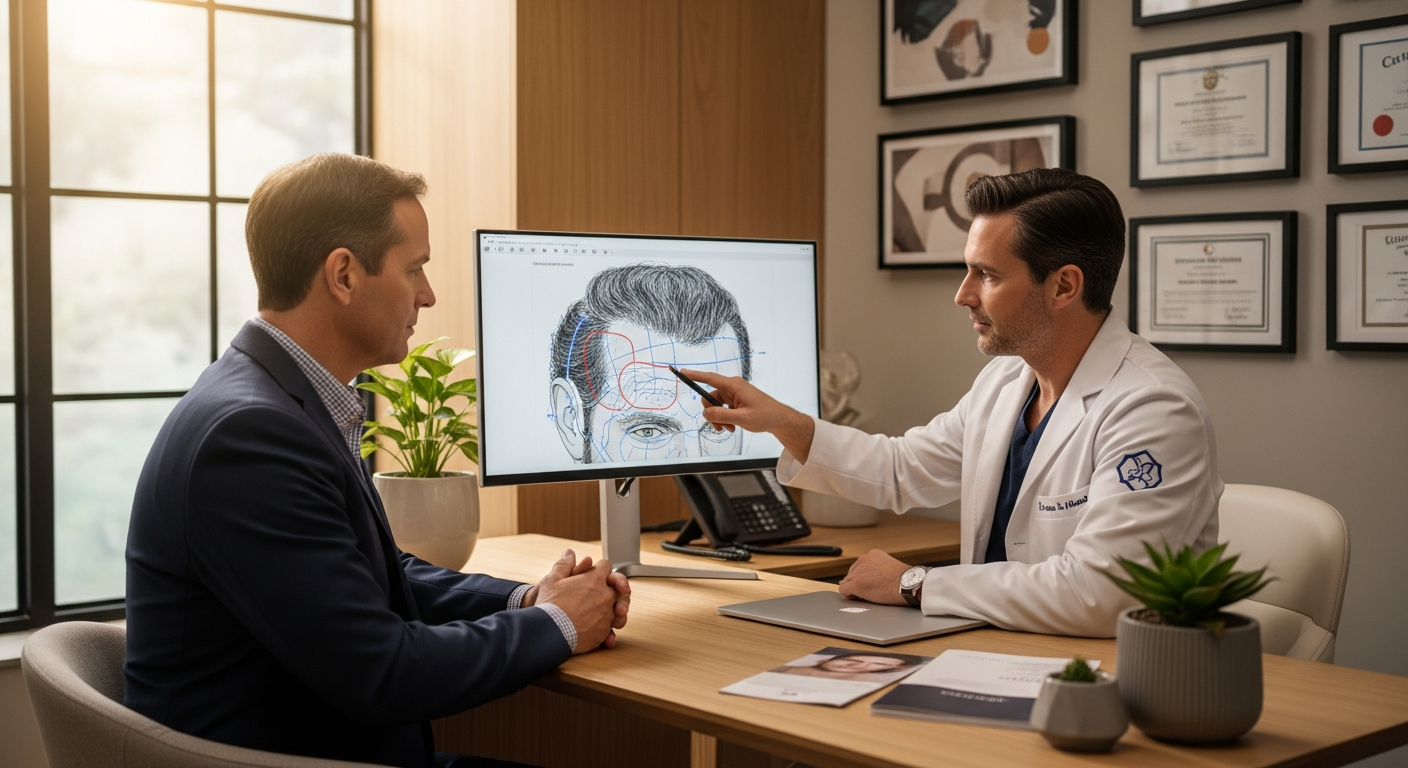
A structured consultation separates thoughtful surgeons from sales-driven clinics. Begin with clear, specific questions: How many hair implant procedures have you personally performed? Which technique do you recommend for my pattern of loss and why? Can you walk me through the expected graft count, the timeline to full growth, and the typical recovery process? The best answers are numeric and individualized—an experienced surgeon will give a projected graft range, a realistic timeframe for visible growth, and an honest assessment of likely density and limitations.
Probe deeper into planning and follow-up. Ask how they calculate graft survival and what measures they use to protect grafts during extraction and implantation. Inquire about contingency plans for less-than-expected growth, how the clinic documents outcomes, and what postoperative visits are included. Good clinics provide a written plan with milestones, contact points for complications, and a clear financing or refund policy. If you want to preview outcomes, many clinics offer simulation tools; you can try a result estimate with the interactive simulator or schedule a planning session through the clinic’s consultation service to make your decision data-driven.
Finally, ask about long-term strategy: do they consider future hair loss and donor preservation when designing a hairline? A top-tier surgeon plans decades ahead rather than just the next five years. Their answers should reflect a conservative, sustainable approach to donor management and a willingness to stage treatments if necessary. This long-term thinking is a reliable indicator that the practitioner is among the contenders for the best hair implant surgeon.
Risks, recovery, and how leading surgeons minimize complications
Every surgical procedure carries risks, and hair implants are no exception. Typical concerns include infection, temporary shock loss, uneven density, and scarring. The difference between average and outstanding outcomes often lies in the protocols the surgeon and clinic follow to reduce these risks. The best hair implant surgeon will describe antiseptic measures, graft handling standards, and individualized postoperative care to support graft survival and reduce complications. They will also provide clear instructions for medications, activity restrictions, and follow-up visits to monitor healing.
Surgeons who lead in safety emphasize the role of the entire team: trained extraction technicians, skilled implantation assistants, and attentive nursing staff reduce procedure time and improve graft viability. They also use objective monitoring to track healing and intervene early if signs of infection or poor growth occur. For complex cases—thinner donor areas, prior surgeries, or scarring—an expert will recommend adjunctive therapies like PRP or staged transplantation to enhance outcomes while minimizing risk.
Good results are the product of disciplined technique, rigorous sterilization, and honest aftercare—no single magic trick will replace careful surgical practice.
Understanding recovery expectations is essential: swelling, scabbing, and shedding of transplanted hairs in the first few weeks are normal, with new growth appearing around three to four months and meaningful density at nine to twelve months. Surgeons who promise instant perfection are misleading. The best practitioners set realistic timelines and offer support through the entire recovery window, which is a practical hallmark that distinguishes the best hair implant surgeon from the rest. For more information on treatment options and mitigation strategies, review the clinic’s approach on the technology page.
Want personalized advice?
Schedule Your AssessmentHow to make the final choice: cost, logistics, and long-term care
Cost is an important factor but should not be the primary deciding point when seeking the best hair implant surgeon. Extremely low prices often correlate with shortcuts in technique, inexperienced teams, or insufficient follow-up care. Instead, compare value: how many grafts are included in the price, what postoperative visits are covered, and is there a growth guarantee or repair policy? Transparent clinics will provide a written breakdown of costs and allow you to compare like-for-like proposals so you can evaluate true value rather than headline price alone.
Logistics—travel, accommodations, and aftercare—matter especially if you are considering an out-of-town or overseas clinic. Some practices coordinate travel and offer remote follow-up or arranged local care, while others expect patients to return in person. If you plan to travel for a procedure, make sure the clinic provides detailed instructions and emergency contact options. If you want to see patient experiences from people who traveled for care, check their gallery and ask to speak with any patients who had similar arrangements; many clinics maintain case studies in their gallery that show results from patients who traveled for treatment.
Finally, consider long-term maintenance: what non-surgical therapies are recommended, how will progressive loss be managed, and what support is available years after surgery? A truly great surgeon builds a multi-year relationship with patients, offering touch-ups, monitoring, and guidance on preserving results. When you are ready to take the next step, reach out through the clinic contact page to schedule a formal consultation and get a personalized plan. And if you'd like to preview how your results might look, try the interactive tool below to visualize possibilities before committing.
Female Hair Transplant is an example of a specialized pathway that requires nuanced planning; if you're female and considering restoration, ensure your surgeon has documented experience with female-pattern hair loss and gender-specific planning.
See your potential results before you commit.
Conclusion: Choosing with clarity and confidence
Finding the best hair implant surgeon requires diligence, clear questions, and a focus on measurable outcomes. Prioritize surgeons who demonstrate documented experience, transparent protocols, and a patient-first approach to planning and aftercare. Use the gallery and testimonials to verify consistent results, and insist on a detailed consultation that includes a written plan and realistic growth timeline. Avoid clinics that push for immediate decisions or offer suspiciously low prices; the quality of your outcome is directly tied to the surgeon’s judgment and the team’s infrastructure.
When you feel ready, take advantage of simulation tools and formal consultations to compare options objectively. Speak with former patients if possible, verify accreditations, and choose a clinic that provides reliable follow-up support. If you’d like personal guidance or to schedule a consultation, visit the clinic’s consultation page or reach out via the contact form. Remember, the right surgeon is an investment in your appearance and confidence—choose carefully and you’ll maximize your chance of an excellent, lasting result.
See your potential results before you commit.
Medical Information Disclaimer
This content is provided for general educational purposes only. It is not a substitute for professional advice, diagnosis, or treatment. Readers are advised to consult qualified professionals for personalized recommendations.
See how we can help you
Get Started Today