Before and after hair transplant surgery is a phrase that carries hope and questions in equal measure for anyone considering hair restoration. In this article you will find a clear, practical guide to what really happens before the procedure, what to expect immediately after, and how final results develop over time. We'll demystify the timeline, help you interpret photos, and point to the clinical and cosmetic factors that determine an outcome you can be proud of. Whether you are researching options or preparing for a consultation, this piece will give you the confidence to move forward informed and realistic.
Planning the procedure: assessments, expectations, and prepping
Before patients ever sit in the treatment chair, a structured planning process sets the stage for successful outcomes. During the planning phase you and your surgeon will evaluate scalp laxity, hair density, donor availability, and long-term hair loss patterns to craft a customized plan. This is the stage where professionals document baseline images — the core of any trustworthy comparison of before and after hair transplant surgery — and discuss realistic expectations, graft numbers, and likely coverage. A thorough consultation helps prevent misunderstandings and gives you a clear sense of achievable outcomes over the months that follow.
Good planning includes medical checks and pre-op instructions to optimize healing and graft survival. Surgeons often advise pausing certain medications, avoiding alcohol and smoking, and arranging transportation for the day of the operation. These measures reduce complications and improve the reliability of early results shown in before and after hair transplant surgery comparisons. If you want to review the types of procedures offered, explore our detailed services page to see which technique might fit your needs.
Photographic documentation is central to the planning process and is the first step in establishing honest, useful before and after hair transplant surgery records. Clinics committed to transparency will capture standardized, high-resolution images from multiple angles and under consistent lighting so you can see meaningful change. When preparing for surgery, ask how photos will be taken and whether you can view an anonymized gallery of similar cases to set realistic expectations for your own recovery and results.
The day of surgery: what you’ll experience and immediate visual changes
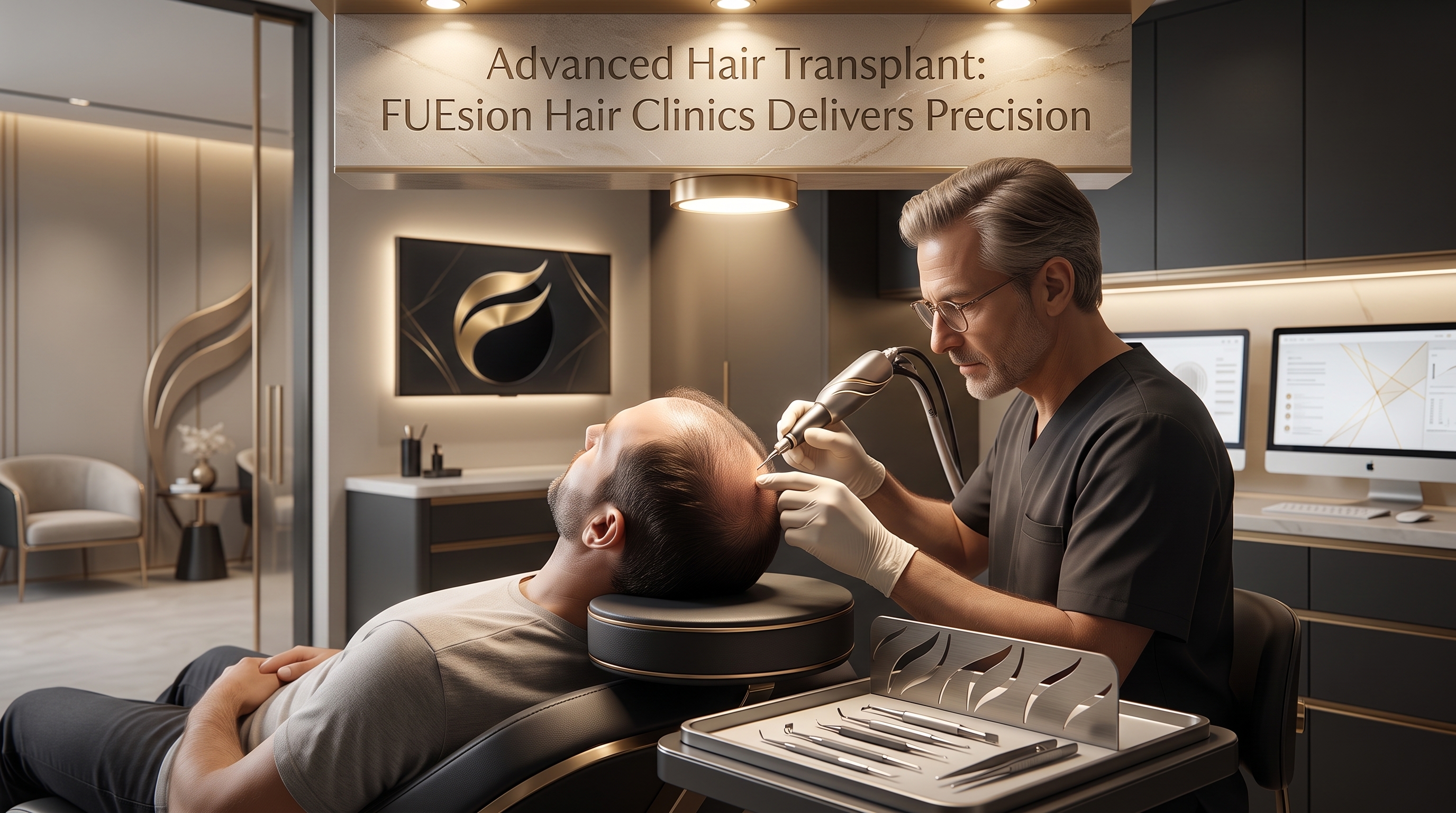
On the day of the procedure most patients experience a mixture of nerves and relief; understanding the flow of the day helps you feel more in control. After arrival, the team reviews the plan, photographs the scalp again, and marks the recipient areas precisely to ensure symmetry and natural hairline placement. Local anesthesia is used during most hair transplant procedures, which keeps you comfortable while grafts are harvested and implanted; the operative period can last several hours depending on graft count and technique. You will see the immediate placement of grafts, which is the earliest form of before and after hair transplant surgery evidence, but it’s important to remember that the visual scene right after surgery is not representative of final results.
Immediately post-op the recipient area may look denser because of closely packed grafts and the presence of crusting or slight swelling that develops. These early images sometimes lead patients to expect instant fullness, but the realistic timeline includes a temporary setback called shock loss where some transplanted and surrounding hairs shed before regrowth begins. To review visual examples and real patient journeys, the clinic photo gallery is a helpful resource that shows both immediate post-op pictures and long-term outcomes side by side.
Before leaving the clinic the care team will explain wound care, antibiotics or analgesics if required, and provide clear instructions to minimize touching and to support graft survival. You should plan for recovery time and avoid strenuous activity in the first week to protect grafts. Understanding this immediate stage will help you place those early post-op images into the proper context when comparing before and after hair transplant surgery photos.
Ready to take the next step?
Book a Free ConsultationRecovery timeline: weeks to months and what to expect in photos
The recovery timeline following a hair transplant is predictable in broad strokes but varies for each person; familiarity with the stages helps you interpret progress without alarm. In the first one to three weeks the recipient area forms scabs and many transplanted hairs undergo shedding — a normal phase often called shock loss — which can be disconcerting if you are not prepared. By months two to four you should begin to notice fine regrowth as hair follicles enter a new growth cycle; by month six density improves and grafts thicken, while the most dramatic visual differences in patient galleries begin to emerge.
Between months nine and eighteen most patients see close to their final density, and these are typically the images used in trusted before and after hair transplant surgery portfolios. Patience and measured expectations are essential: comparing a one-week post-op photo with a one-year result would be misleading and can cause unnecessary worry. If you want to read patient experiences and outcomes over time, check our testimonials to see how others describe the recovery arc and how their photos evolved.
"Expect initial shedding, then slow regrowth. The most meaningful comparisons come at the nine- to twelve-month mark." — Dr. Clinic Lead
Follow-up appointments at regular intervals allow your surgeon to assess healing and offer guidance on haircare, supplements, or adjunct treatments. Photographic records taken at each visit form the backbone of reliable before and after hair transplant surgery comparisons, ensuring that lighting and angles remain consistent so you can evaluate changes honestly. Adhering to aftercare instructions and avoiding premature conclusions will help you focus on the long-term picture rather than short-term fluctuations.
How to evaluate before and after photos: red flags and good signs
Interpreting before and after hair transplant surgery images requires an understanding of photography, surgical technique, and context. High-quality comparisons will use the same camera angles, consistent lighting, and neutral styling so that the only variable is hair growth. Beware of galleries that use dramatic styling, colored products, or inconsistent cropping to exaggerate outcomes. An honest clinic will present a range of results — including moderate improvements — and will show full-case progressions rather than only a single dramatic transformation.
Look for hallmarks of good technique: natural hairline design, appropriate density in frontal zones, and seamless blending of transplanted and existing hair. If a clinic offers you a digital simulation in consultation, that can be a helpful planning tool — but remember simulations are projections, not guarantees. For hands-on evaluation, ask to see long-term follow-up images and whether the clinic can show cases similar to your age, hair type, and degree of loss. If you are comparing results, visiting an in-person consultation or an online consultation can provide clarity; you can schedule one through our consultation page.
"Authentic results are about proportion, not perfection. The best outcomes look like a natural continuation of your hair, not a manufactured mask."
Red flags include inconsistent lighting, missing time-stamps, or before and after photos that differ in hair length or styling to obscure the truth. Good signs are multiple post-op images across different time points, patient-reported timelines, and independent reviews corroborating the visual evidence. When assessing before and after hair transplant surgery photos, prioritize clinics that emphasize transparency and education over theatrical marketing.
Want personalized advice?
Schedule Your AssessmentLong-term maintenance and maximizing your investment
After you have moved through regrowth and your results stabilize, long-term maintenance becomes the priority for preserving your investment. Many patients combine surgical grafting with medical therapy, such as topical or oral treatments, to maintain native hair and prevent future loss. A thoughtful maintenance plan helps ensure that your before and after hair transplant surgery comparison remains favorable for years to come and reduces the need for revision surgeries.
Realistic planning also recognizes the progressive nature of hair loss. Some patients opt for staged procedures to keep density consistent as hair patterns evolve, and your surgeon can model future scenarios to help you decide. If you're curious about potential outcomes before making any commitment, try our simulator tool and preview changes: return to home or use the interactive option below to visualize possibilities. Additionally, staying engaged with routine check-ups helps identify early thinning and maintain the health of donor and recipient areas.
To summarize practical maintenance steps, consider this concise checklist:
- Follow prescribed medical therapy and lifestyle advice.
- Attend scheduled follow-ups for photographic documentation and scalp assessments.
- Protect your scalp from sun exposure and avoid harsh styling that stresses hair shafts.
When you are ready to explore options or have questions about scheduling and costs, reach out via our contact page to speak with a coordinator. If you're specifically interested in female-centered planning, we also offer a dedicated Female Hair Transplant service that addresses pattern differences and donor-site considerations unique to women.
See your potential results before you commit.
Conclusion
Comparing before and after hair transplant surgery images can be motivating, but the most valuable comparisons are honest, standardized, and contextualized within a clear timeline. Proper planning, realistic expectations, and adherence to aftercare are the pillars of a successful outcome that will stand up to scrutiny months and years later. By understanding the stages from pre-op planning through final results, you can evaluate clinics sensibly and choose a path that aligns with your long-term goals.
If you want to preview how a change could look for you, take advantage of our simulator and schedule a consultation to discuss personalized options; our team is ready to answer questions and walk you through galleries and patient stories. Visit the gallery and testimonials to see authentic journeys, or book an appointment through contact to get started. Your next step toward confident results begins with an informed decision — try the simulator and speak with a specialist today.
Medical Information Disclaimer
This content is provided for general educational purposes only. It is not a substitute for professional advice, diagnosis, or treatment. Readers are advised to consult qualified professionals for personalized recommendations.
See how we can help you
Get Started Today